A plan that is vague about the law is not a plan. This is the part a municipal buyer, a school and an airport all need in writing, and it is not complicated once it is laid out.
Canada geese are protected migratory birds under the Migratory Bird Treaty Act, 16 U.S.C. 703, which generally makes it unlawful, unless a regulation allows it, to pursue, take, capture, possess, sell, transport or import a protected migratory bird, its nests or its eggs. Everything else follows from that.
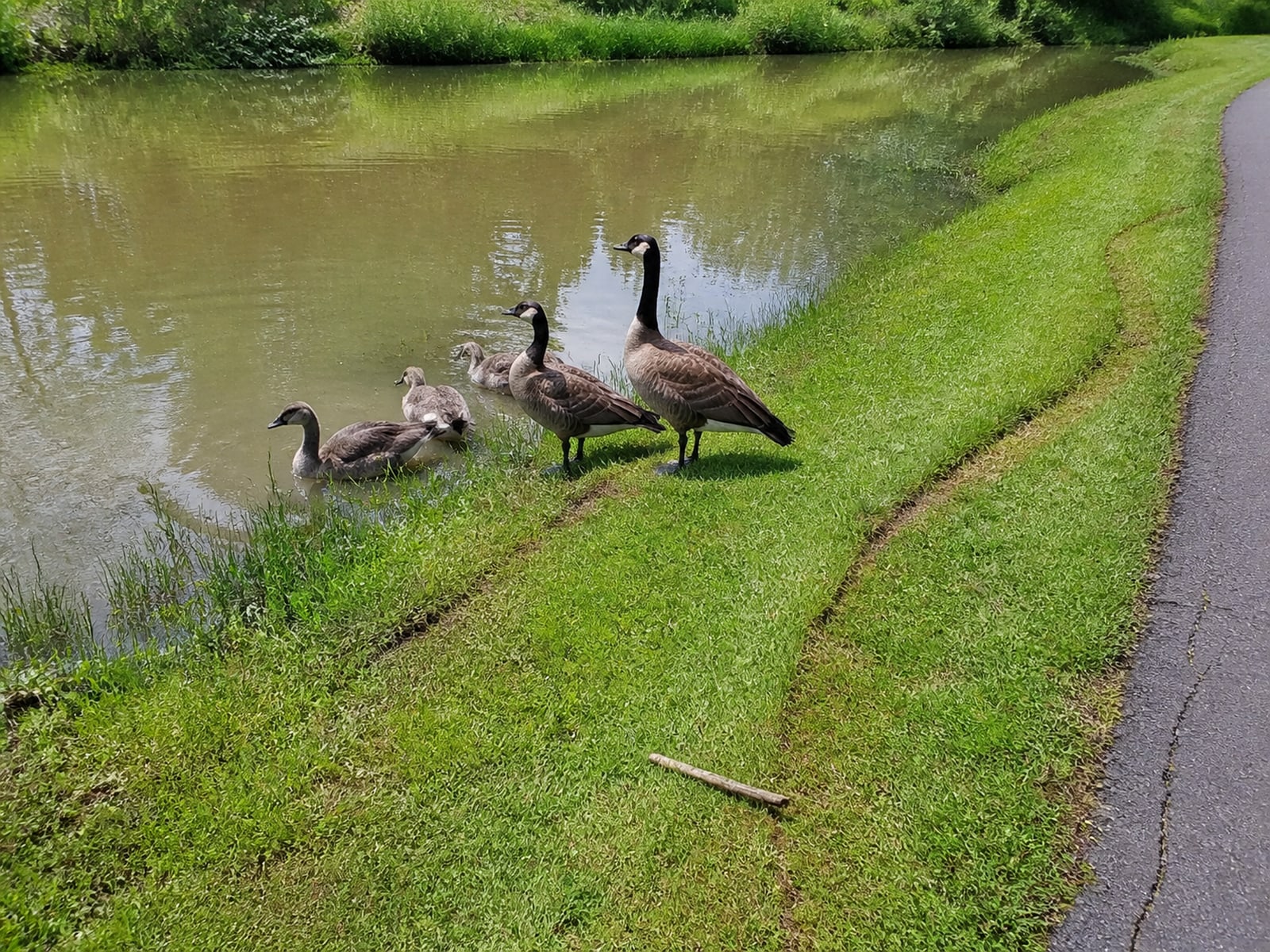
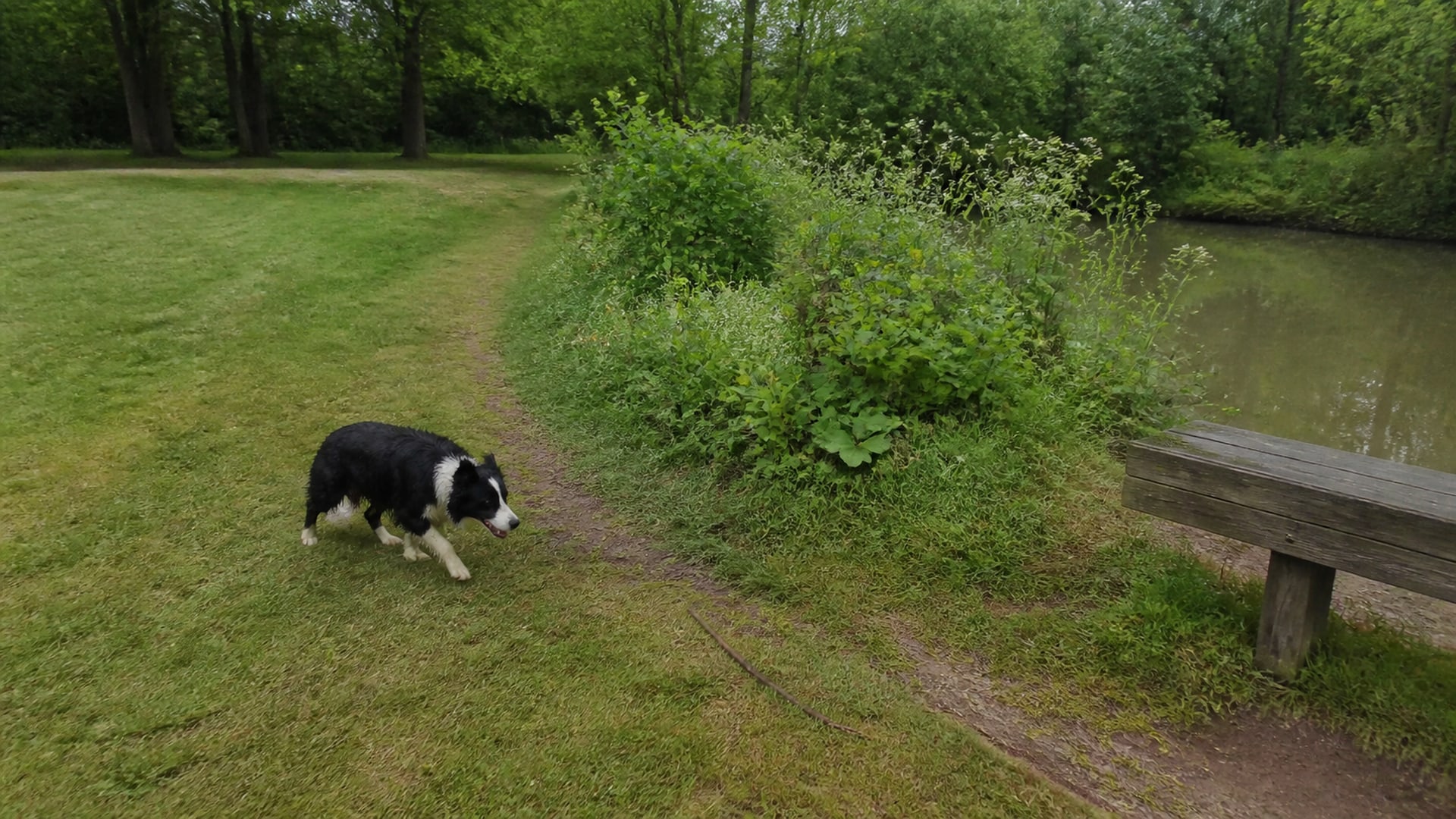
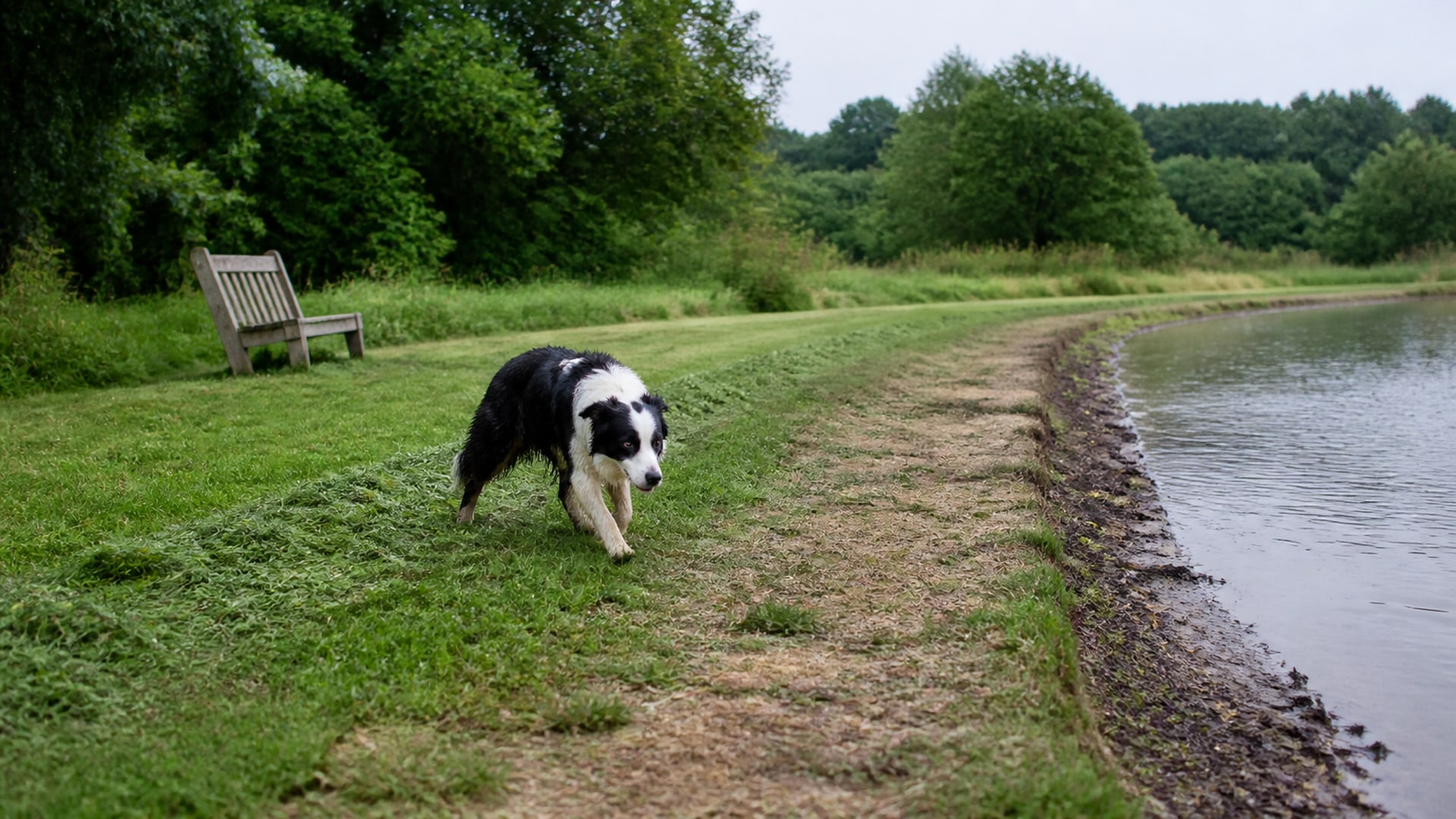
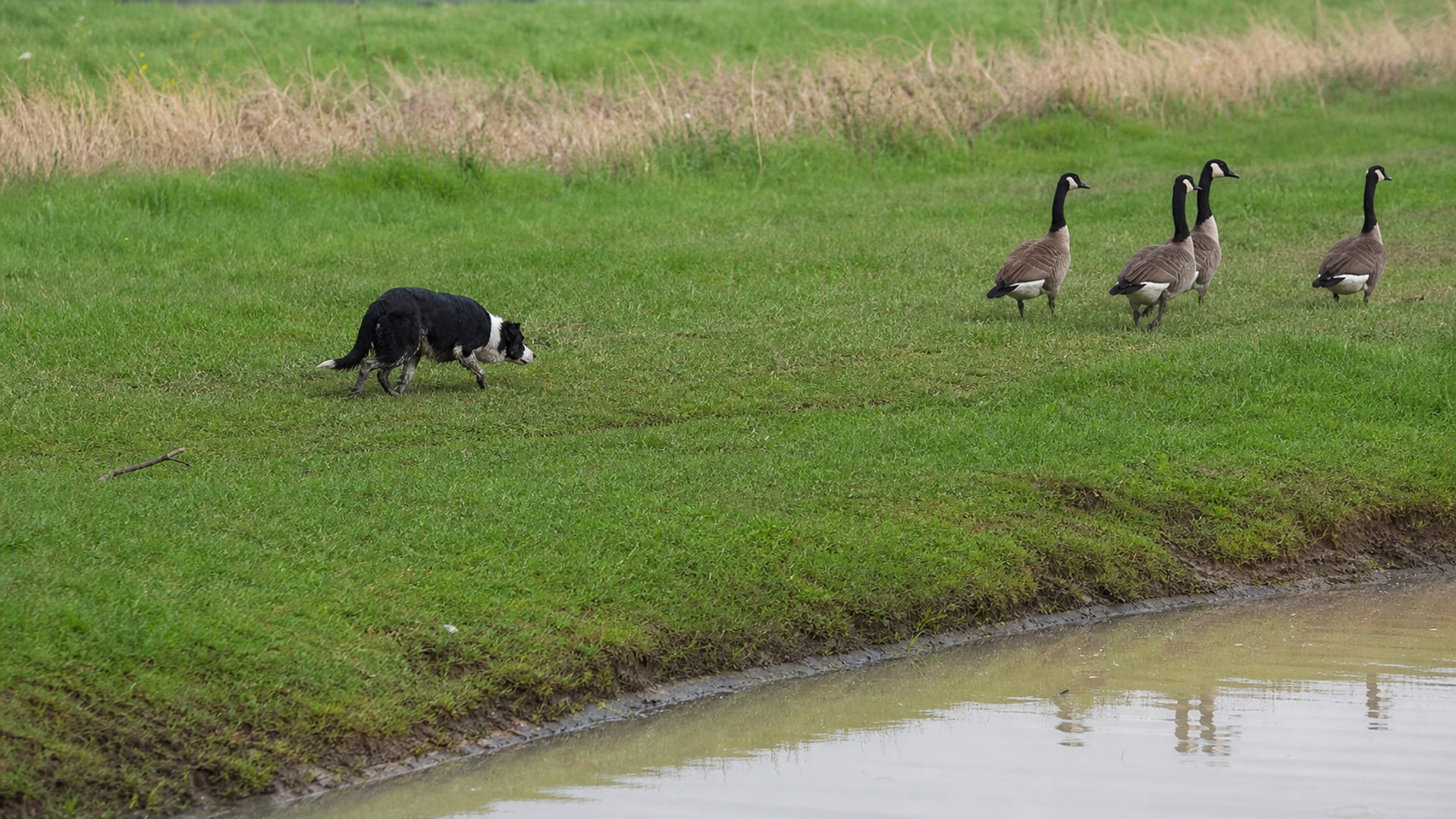
Moving birds without harming them sits on one side of the line. New York DEC states that no federal or state permit is needed to scare, herd or chase geese, including with dogs or noisemakers, as long as the birds are not physically harmed. That is the legal footing for Border Collie goose abatement, and it is why the method is what it is.
Nests and eggs sit firmly on the other side. The federal resident Canada goose nest and egg order, 50 CFR 21.50, lets qualified landowners and local governments who register with the US Fish and Wildlife Service act on nests and eggs on property under their jurisdiction where it is necessary to prevent injury. The registration is annual, the window runs from March 1 to June 30, and state and local law still applies on top of it. In Massachusetts, MassWildlife treats interfering with Canada goose eggs as illegal without authorization, and a landowner may apply for a special permit whose application asks for the property location, the basis of ownership or control, a description of the problem and the personnel who would do the work.
Two things follow for you. That route belongs to the landowner or the public body, not to a contractor, and it is not a service we provide or hold authorization for. Where a site is heading in that direction, the plan says so and points at the agency, which is more use to you than a vendor quietly saying yes.