Tri-State Geese Patrol

Goose Control in Avon, CT

Humane Canada goose abatement for Avon properties, using trained Border Collies that move birds without touching them. We work the Farmington River valley in Avon and the towns around it.

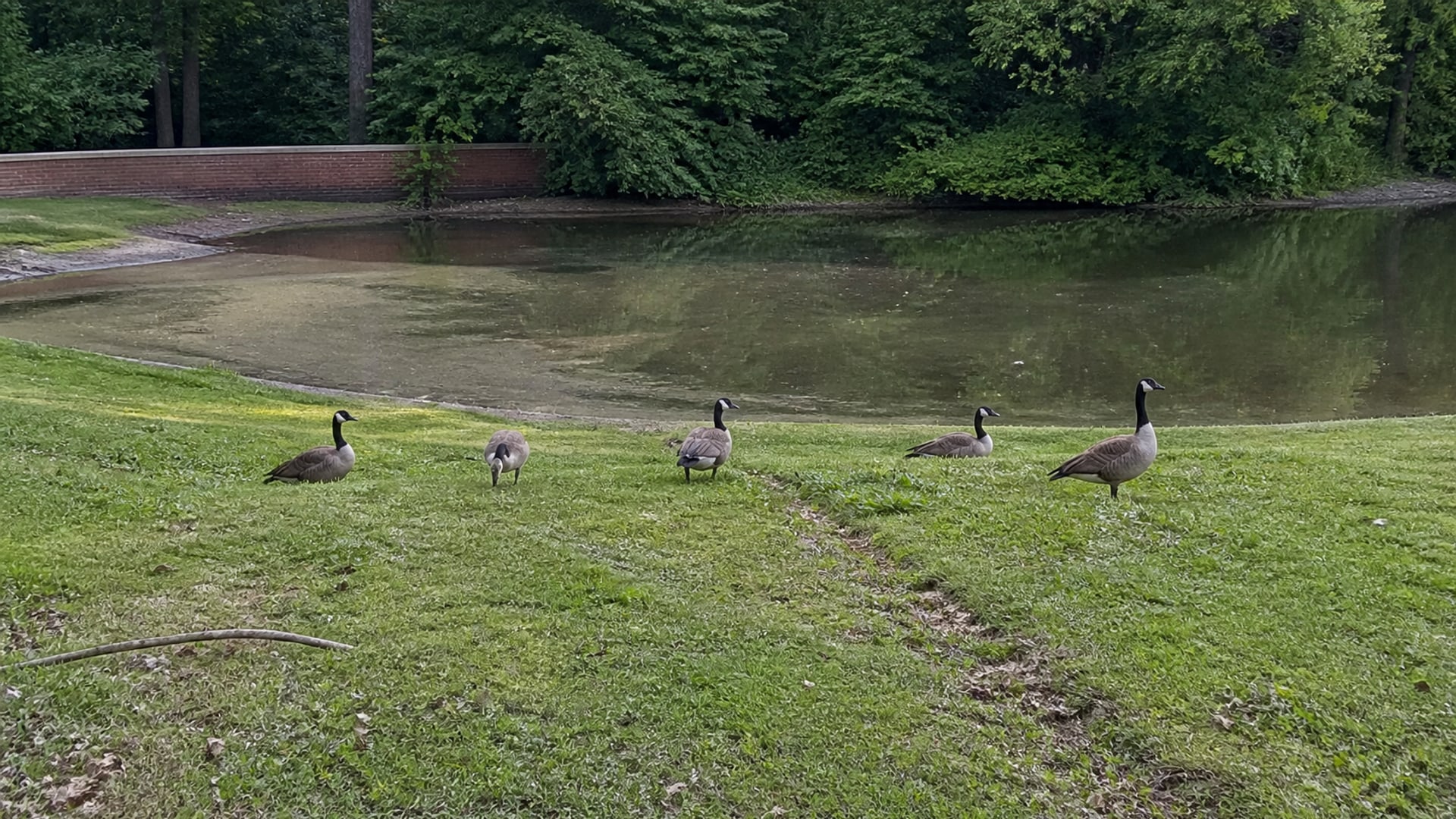
Open mown grass beside water of the kind Canada geese settle on in Avon, CT

At a glance

Town

Avon, Connecticut

Method

Non-lethal herding by trained Border Collies, no contact with any bird

Permit needed to move geese this way

None, provided no bird is harmed

Base

West Hartford, Connecticut, on the Route 44 corridor

Why are geese standing on Avon ground in the first place?

Because Avon sits on a river corridor that birds already use, and because a lot of the town's open ground is exactly what a Canada goose is looking for.

The clearest documented example is Fisher Meadows Recreation Area, the Town of Avon property at 800 Old Farms Road that runs along the Farmington River. A Lower Farmington River bird study records that Fisher Meadows has extensive soccer fields and two large impoundments, and that they host large numbers of geese and ducks during fall and spring migration. That is not a general statement about Connecticut. It is a study naming this specific Avon property and what happens on it twice a year.

The same study identifies the Avon section of the Farmington River as an important migration corridor. So the river running through town is not scenery that happens to be nearby, it is part of the route, and Avon is one of the ten river communities in the Lower Farmington River and Salmon Brook Wild and Scenic study area.

Now put the two halves together, because that combination is the whole of it. Short mown grass gives a goose better food than anything in a hedgerow, and it gives clear sightlines, which matters because these birds do not like feeding where they cannot see what is coming. Open water a few steps away is an escape route. Connecticut DEEP describes that pairing, lawn beside water, as the habitat that holds resident geese statewide.

Fisher Meadows has both, at scale, on a migration corridor. So does a golf course with irrigation ponds. So does a condominium community built around water features. None of that is a mistake anybody made; it is what the properties are for. The work is about changing the parts of them the birds are reading, in the places the property can afford to change.

Which Avon properties does this actually come up on?

The town's water and turf is not spread evenly. These are the documented Avon settings where the lawn-beside-water pattern exists, and they are named here as local background rather than as a client list.

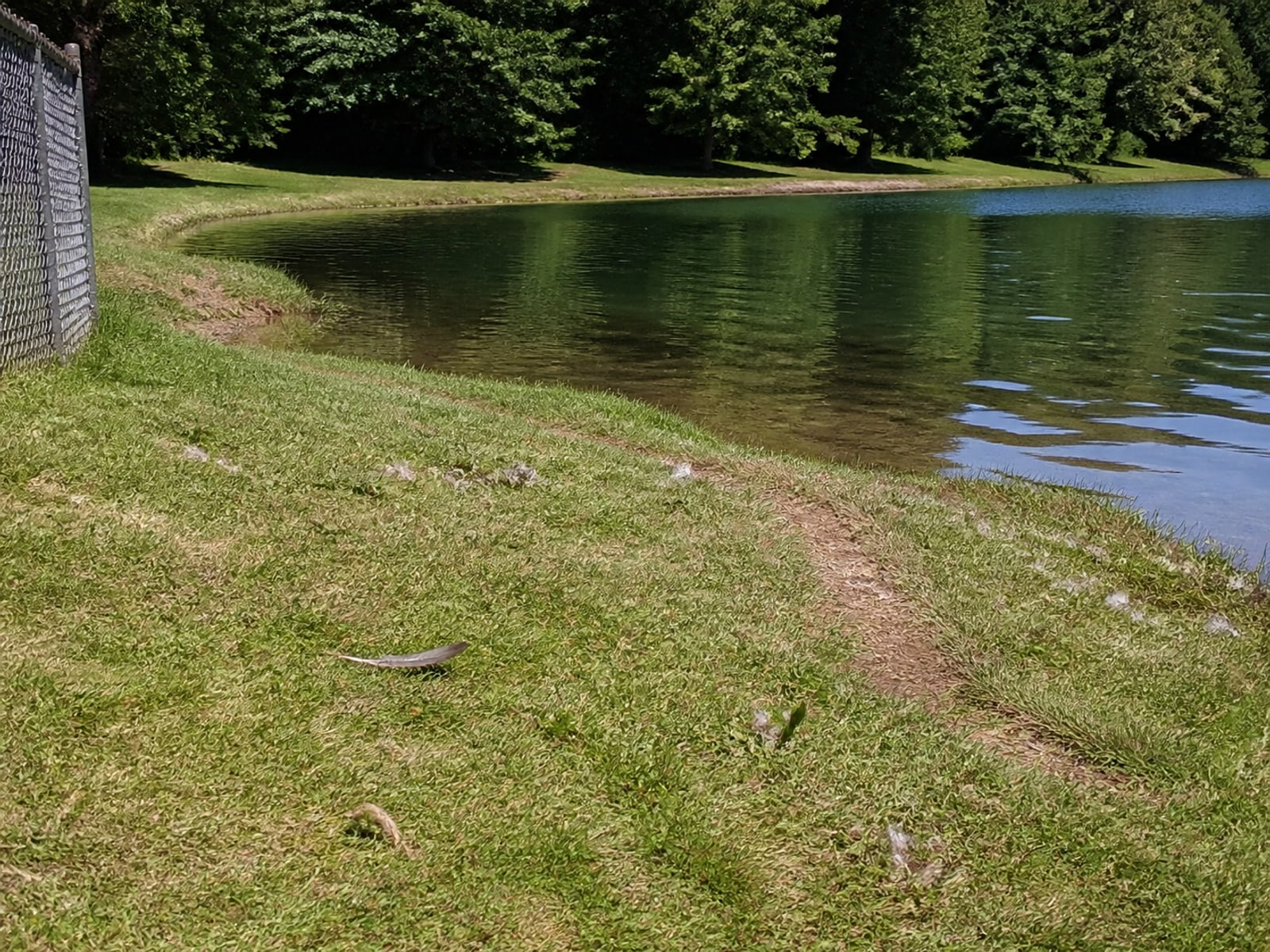
Canada goose droppings and grazed turf on maintained ground in Avon, CT

Fisher Meadows and Spring Pond

250 acres of Town of Avon land at 800 Old Farms Road, with a lake, meadows, riverfront and a long inventory of numbered athletic fields. It is the strongest documented goose site in the town's record and it is municipal, so it comes with a permission path rather than a single owner. One caution worth knowing: town materials use both Spring Pond and Spring Lake for the water body there, so anyone quoting on it should confirm what a given document means before treating them as two separate assets.

Golf ground with registered impoundments

The Golf Club of Avon is a private 27-hole course, and the state diversion register records multiple named club impoundments, with the club's own water supply project describing a registered pond used as irrigation backup. That is a specific, documented water inventory rather than an assumption that every course has a pond. Fairway turf and irrigation water beside each other is the goose problem in its purest form, which is why courses appear so often in this work.

Farmington Woods

A gated condominium and golf community of nearly 1,100 units on 375 wooded acres with an 18-hole course, and the state register associates it with the Mallard Drive Dam and the St. Pierre Dam on Roaring Brook. It bridges Avon and Farmington, which matters more than it sounds: a program boundary that follows a town line and not the birds' route is the kind of gap a flock lives in. Anyone describing it as simply an Avon community, or simply a Farmington one, has not looked at the map.

School use of the pond

Avon Public Schools has a recorded seasonal crew team dock application at Spring Pond, 800 Old Farms Road. That single record ties school activity, pond access and the town wetlands process to one location, and it is a useful reminder that a municipal water body usually has more than one user with a stake in what happens at its edge.

What two Avon rules change about how the work is done?

Most goose advice you will read is written as though every property is a private lawn. On municipal ground in Avon, two local rules shape the job before any dog gets out of a vehicle, and a provider who does not raise them has not read the town code.

The first is the leash rule. Avon Town Code Section 41-24(a)(19) requires a dog or pet in a town park or public place to be on a leash no longer than six feet. There is an exception, and it is a specific one: it applies when the Director of Recreation and Parks authorizes otherwise in writing, or under site regulations. There is no blanket working-dog exemption written into that provision. So dog-based work on Avon park land needs written site authorization first, and any company that tells you it can simply turn up and work a town field is describing something the code does not currently allow.

We would rather say that plainly than run into it on site. Getting that authorization is a normal part of scoping municipal work, not an obstacle, but it belongs at the start of a conversation with the town rather than in the middle of a visit.

The second rule is the wetlands one. Under Section 6.1 of Avon's wetlands regulations, nobody may conduct or maintain a regulated activity without a permit from the Inland Wetlands Commission. The commission publishes its regulations, a wetlands map, application material, a site walk checklist and a Duly Authorized Agent route through the Planning Department, and applicants are encouraged to discuss work before using that route.

This one gets misread in both directions. Moving birds off a lawn with a dog is not shoreline construction, and it would be wrong to tell you every goose visit in Avon needs a wetlands permit. But planting a shoreline buffer, installing a barrier at a pond edge or changing a watercourse margin can be a regulated activity, and that is a question for the commission rather than for a contractor. Avon does not publish a typical review duration for that process, so anybody promising you an approval timeline is inventing one.
What happens after you call about an Avon property?

The sequence is the same whether the site is a private course, a condominium association or town land, but the permission step is much larger on the last of those.

  1. 01

    We ask what you are actually seeing

    How many birds, on which surfaces, at what times of day, how close the nearest water is, and what has already been tried. If an earlier attempt failed, that history is useful rather than embarrassing, because what a flock has already learned to ignore changes what to do next.

  2. 02

    We walk the property and map the route

    The birds walk between water and turf, so the useful map is not just where they are standing. It is where they come up from the water, which ground they graze, where they loaf, and which parts of the property you actually control. On a site like Fisher Meadows or a community bridging two towns, that last question decides what is possible before any method is chosen.

  3. 03

    We sort out permission before we schedule anything

    On Avon town land that means written authorization from Recreation and Parks for dogs off leash, and it means checking with the Inland Wetlands Commission before anything that could count as a regulated activity near a pond edge or watercourse. On private ground it is simpler, but the wetlands question can still apply.

  4. 04

    The dogs start working on a schedule the flock cannot predict

    A handler and a trained Border Collie work the ground the birds are using. The dog moves like a predator, which is exactly what a goose reads it as, and the flock leaves under its own power. Nothing is caught and nothing is touched. Visits repeat on a varied schedule, because a pattern the birds can learn is a pattern they will wait out.

  5. 05

    We tell you what to change about the ground

    Where mowing stops, whether an unmown strip or a barrier can go in between water and turf, and where feeding is happening. This is the half that keeps working when nobody is on site, and on a municipal property it is often a different budget and a different department, so it is worth raising early.

  6. 06

    We keep a record, and so should you

    Counts, locations, how long the birds take to return after each visit, and complaints. That return interval stretching is the earliest honest signal that the ground is changing its meaning to the flock, and it is invisible unless somebody is writing the dates down.

What we do not do, and why we say so

Two techniques come up in most Avon conversations and neither is ours. Being direct about that is more useful to you than being vague.

We do not apply turf repellents. They are registered pesticides, applying one to commercial turf in Connecticut is licensed work, and we hold no such certification. If a repellent suits a defined surface on your property, the person to call is a licensed applicator.

We do not addle eggs or work on nests. That is regulated activity requiring annual registration with the US Fish and Wildlife Service before anything happens, and Connecticut DEEP is clear that egg addling, oiling or puncturing needs that registration first. The registration belongs to the landowner, the association or the town, not to a contractor. If somebody offers to handle a nest on your Avon property, the right question is who is registered for this site, and the right answer names you.

We also will not promise the geese will be gone and stay gone. Connecticut DEEP's own guidance says non-lethal methods other than habitat work tend to be transitory when used alone, and that success takes time. A provider promising permanence from fieldwork alone is contradicting the state that regulates the species.

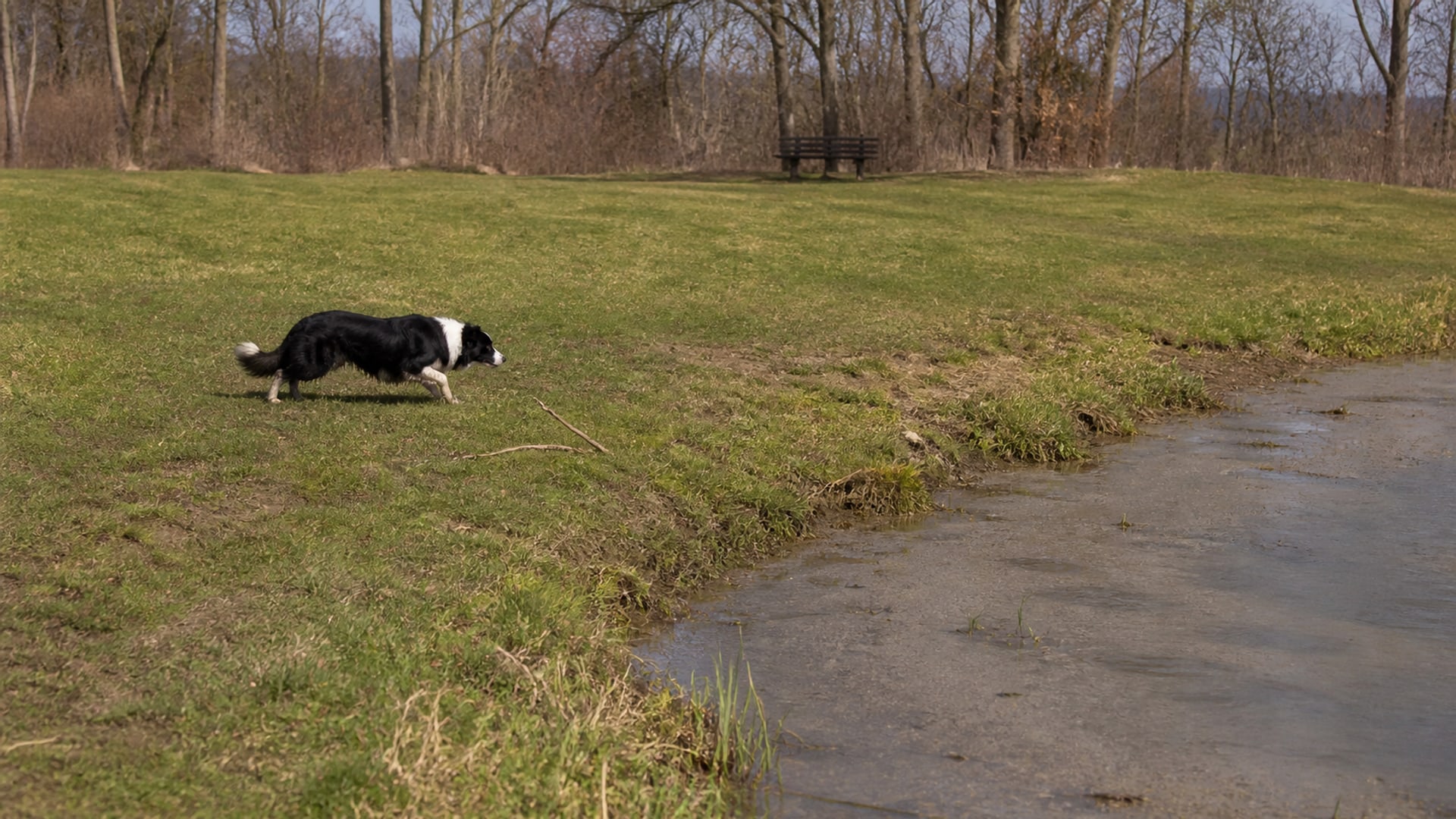
A Border Collie working a flock of Canada geese off maintained ground in Avon, CT

When does acting in Avon cost the least?

Earlier, almost always. The same property needs a different plan in March than it does in August, and the month that costs least is the one before anything is established.

Connecticut DEEP puts territorial defense as early as March and nesting by early April, with incubation running about 28 days and hatching through to June. Once a pair is holding ground, the situation changes from a grounds problem into a protected-nest problem, and the options narrow sharply. Walking a shoreline in March is a different job from walking it in May.

The migration side is where Avon differs from a town away from the river. The bird study records geese and ducks using the Fisher Meadows impoundments in large numbers during fall and spring migration specifically, so the corridor delivers birds on a seasonal rhythm on top of whatever resident flock a property already has. DEEP's statewide timing is that migrants arrive in early October, movement continues through November with another arrival peak in mid-December, and most leave the state by mid-January, though some stay through mild winters.

Nobody publishes freeze or thaw dates for Spring Pond or the other Avon waters, so we watch the water rather than the calendar. It matters most in winter, because a flock that settles in over the cold months is the flock you meet again in March with an opinion about the property.

There is also an identification trap worth avoiding in conversation. DEEP says migratory and resident birds overlap in autumn and winter and cannot be told apart by appearance, so a large flock on Avon grass in November tells you very little about where those birds nested.

Avon goose control questions

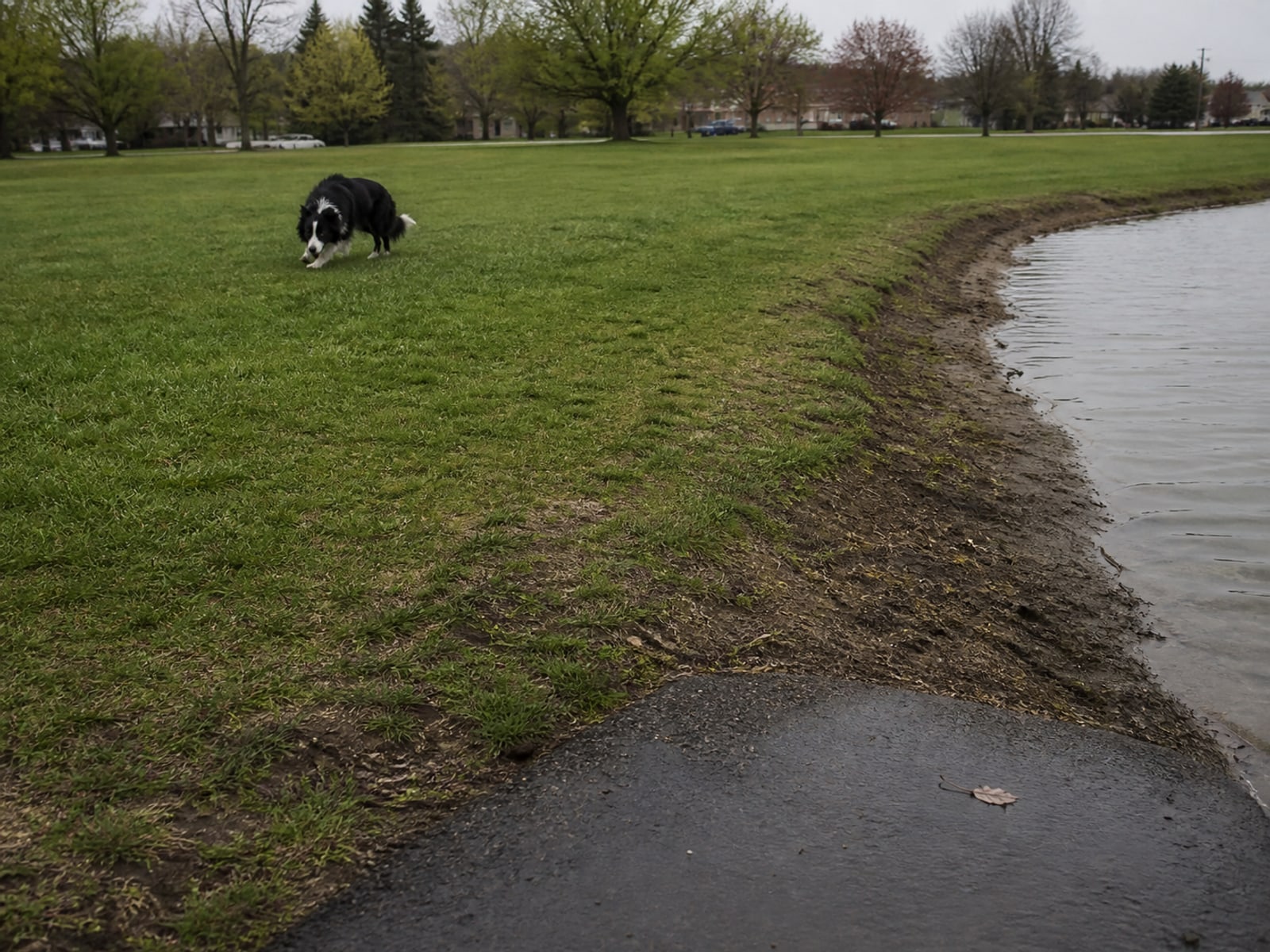
Maintained ground in Avon, CT holding clear of Canada geese after repeat visits
Why do geese turn up around Fisher Meadows?

A regional bird study records large numbers of geese and ducks using its two impoundments and its fields during fall and spring migration, and it identifies the Avon stretch of the Farmington River as an important migration corridor. The fields and the water sit next to each other on a route the birds already fly.

Can a trained dog work on an Avon town park?

Not without written authorization. Avon's park code requires dogs to be on a leash no longer than six feet in town parks and public places, with an exception only where the Director of Recreation and Parks authorizes otherwise in writing. That authorization is a normal part of scoping municipal work and it has to come first.

Do we need a wetlands permit for goose work near a pond?

Not for moving birds off turf with a dog. Avon's Inland Wetlands Commission regulates what its rules call regulated activity, so shoreline planting, a barrier at a pond edge or work in a watercourse margin is a question for the commission. Confirm the scope with them rather than assuming either that everything needs a permit or that nothing does.

How much does goose control cost in Avon?

It is quoted per site, because the drivers are per site: how much ground gets worked, how many birds, how much water edge, how often we visit and what the ground is used for. No credible published range exists for this work in the region, and a number produced before anyone has walked your property is a guess. For municipal buyers, Avon's own purchasing policy sets the thresholds that decide whether quotes or a formal bid are needed.

Is there a guarantee that the geese will not come back?

No, and it is worth knowing why not. Connecticut DEEP says non-lethal methods other than habitat modification tend to be transitory when used alone, and that lasting abatement needs several strategies together. What a program buys is a change in how the birds use your ground, maintained, not an empty property signed for in advance.

How quickly can you get to an Avon property?

We are based in West Hartford and Avon sits along Route 44, so it is close ground for us. We will give you a real answer for your specific address and time of day when you call rather than publishing a drive time that would be wrong for half the town.

Our community sits partly in Farmington. Does that matter?

It can matter a great deal. Farmington Woods, for instance, bridges Avon and Farmington, and a flock does not recognize the boundary. Where a pond, a fairway or a lawn is shared across a line, the sensible boundary for a program is sometimes larger than one parcel, and that is worth settling before the first invoice rather than after.

Local detail

Canada geese in Avon, Hartford County

Avon sits in the Farmington River valley in Hartford County, with a population of roughly 19,000 residents. The river runs along the eastern side of town, and a Lower Farmington River bird study identifies that stretch as an important migration corridor rather than simply a scenic river.

The goose-relevant ground here is a mix of town riverfront recreation land, private golf, and a large gated golf and condominium community that bridges Avon and Farmington. Fisher Meadows Recreation Area on Old Farms Road is the clearest case: extensive playing fields and two large impoundments beside the river, which the same bird study records as holding large numbers of geese and ducks during spring and fall migration.

Neighborhoods we cover in Avon

Parts of Avon where we work. Each one opens in Google Maps.

Bordering towns: Farmington, Simsbury, Canton, Bloomfield, Burlington. A flock does not recognize a town line, so a program sometimes has to be scoped wider than one parcel.

Getting there: Route 44, West Main Street, Old Farms Road, Route 10, Route 167.

We cover all of Avon and the ground around it. If your neighborhood is not listed, or you are not sure which one you are in, it is very likely we work there. Ask and we will confirm.

Talk to us about your Avon property

Tell us what you are looking at: roughly how many birds, which surfaces they are fouling, how close the water is, and whether the ground is town, private or shared.

Tri-State Geese Patrol runs humane Canada goose abatement with trained Border Collies across Connecticut, Massachusetts and New York, working out from West Hartford, and we are reachable 24 hours. Call (203) 856-4889 and it goes to Bill.

If what your Avon property actually needs is an unmown strip and a no-feeding sign rather than a contract, that is what we will tell you.