FAA's guidance on hazardous wildlife attractants near public-use airports works in separation distances: 5,000 feet for airports serving piston aircraft, 10,000 feet for turbine aircraft, and 5 statute miles where an attractant could pull hazardous wildlife across an approach or departure path. That last figure is the one worth sitting with. A five mile radius around a runway takes in corporate campuses, retention basins, golf courses, playing fields, municipal parks, reservoirs and farm ground, and almost none of it belongs to the airport.
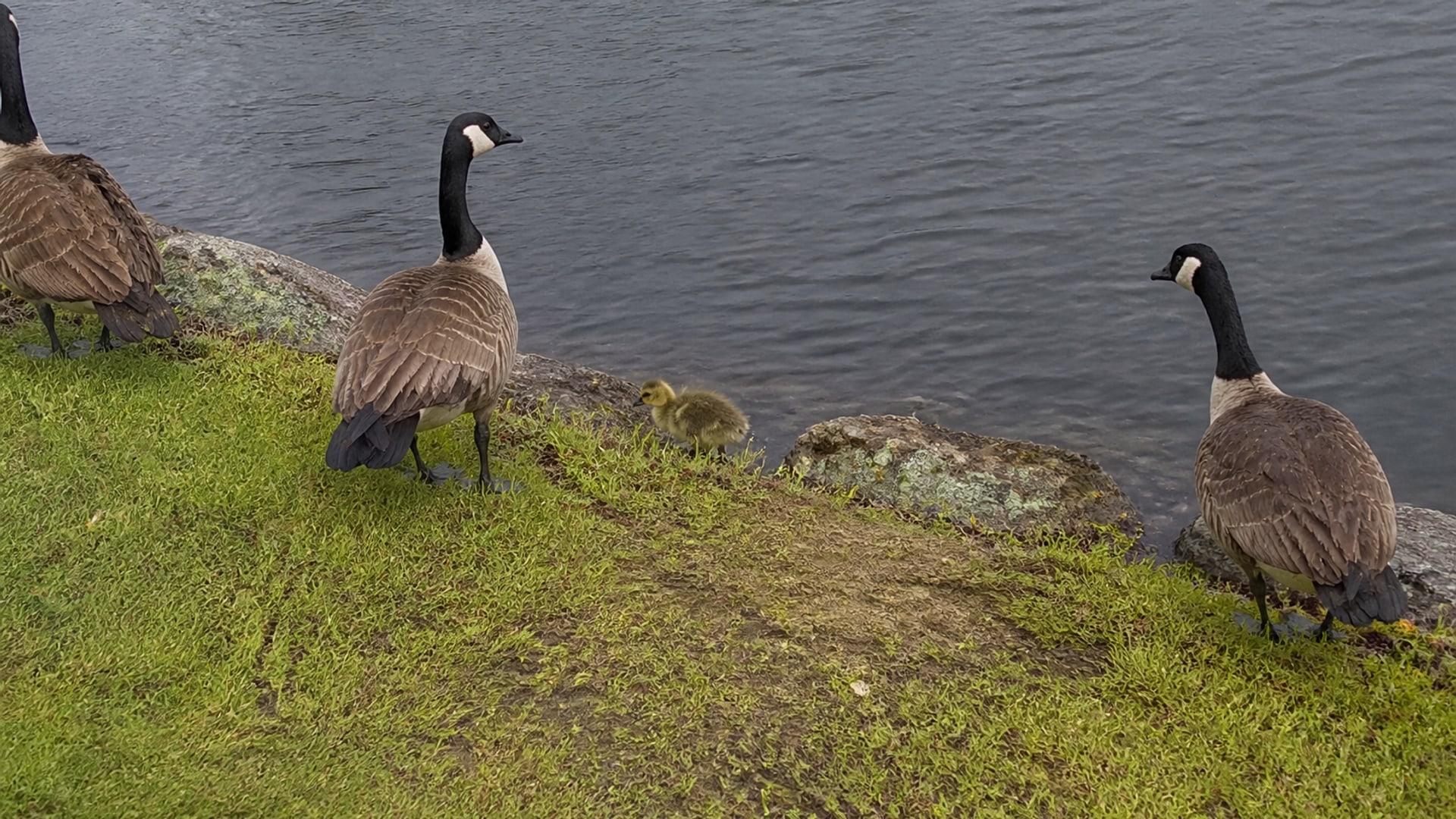
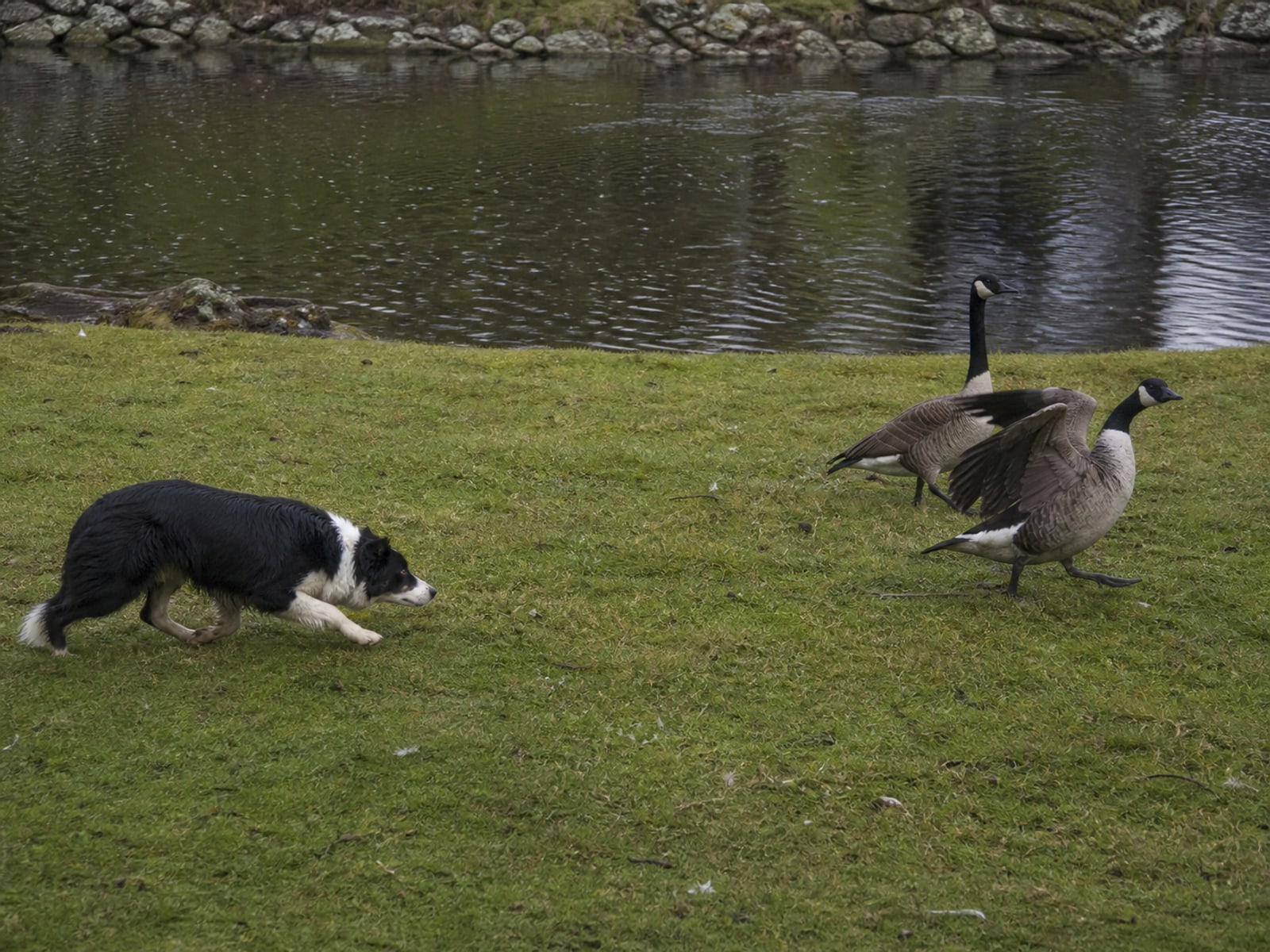
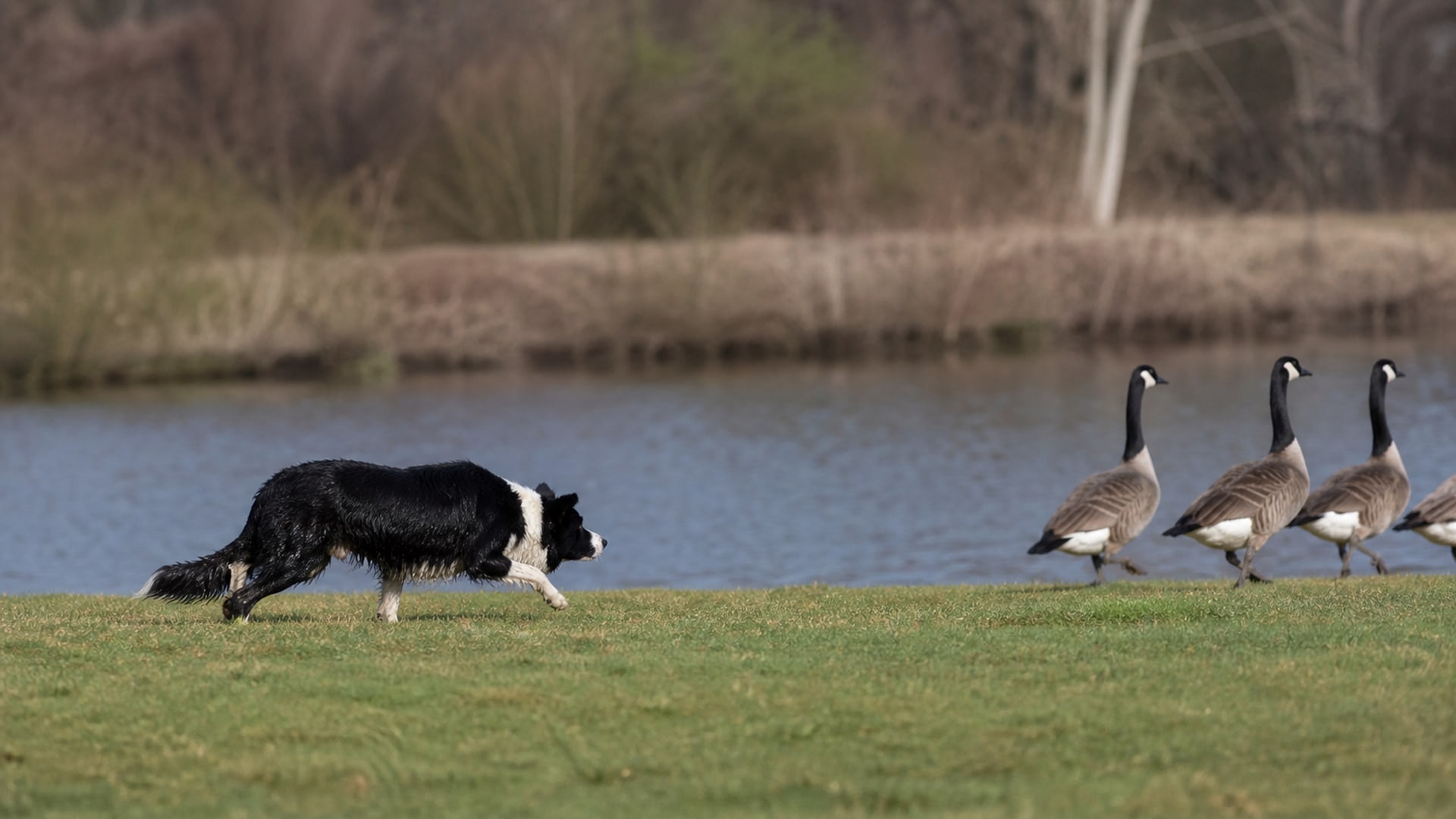
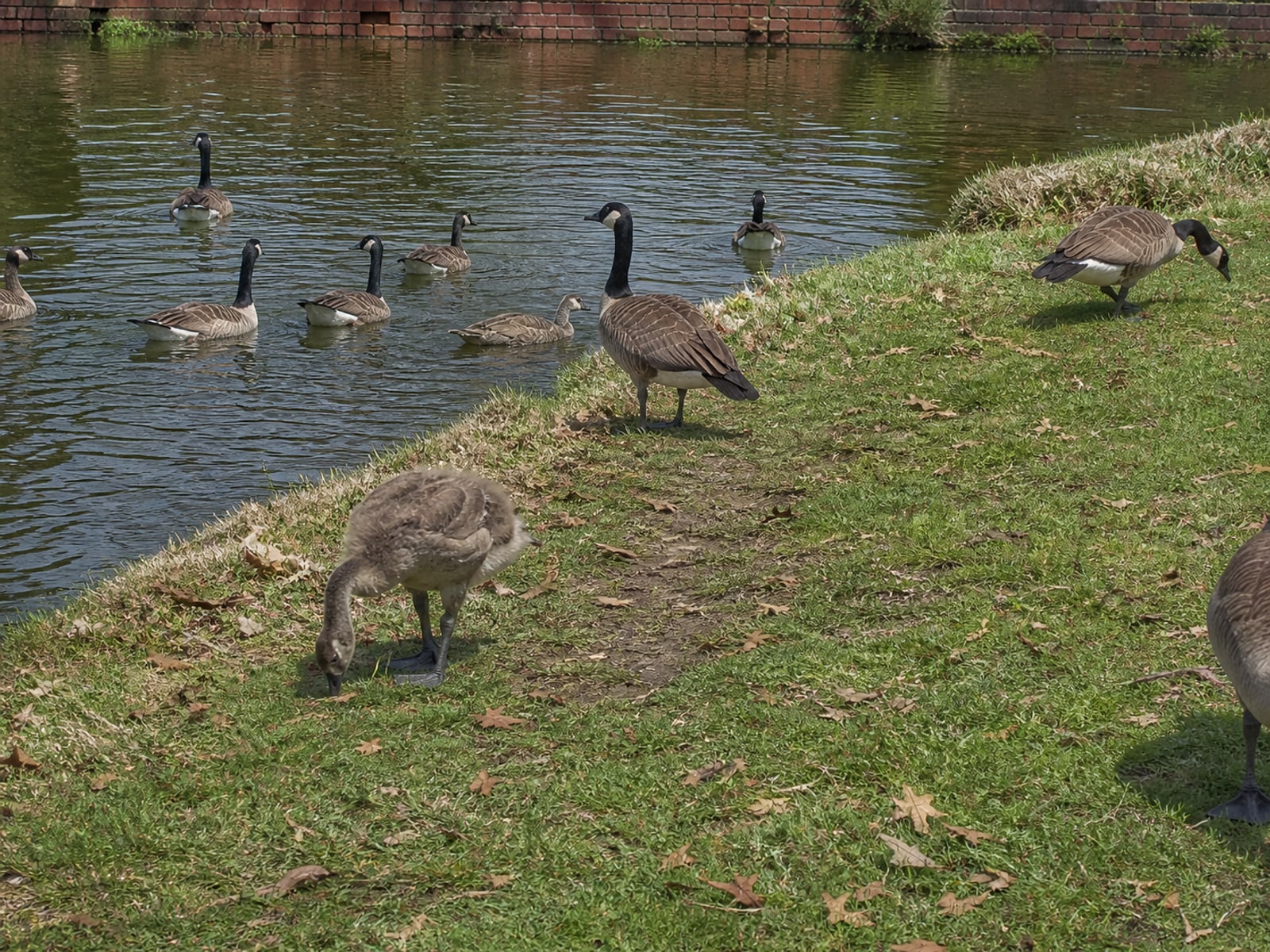
Connecticut DEEP names the combination directly when it describes Canada goose habitat: ponds, lakes, marshes, reservoirs, rivers, lawns, parks, athletic fields, airports and agricultural fields, providing water, cover and grazing together. A goose does not distinguish between a corporate pond and airport grass; it flies between them, and the flight line is what crosses your approach.
The regional record shows how tangled that can get. New York City's Department of Environmental Protection runs a waterfowl management program at Kensico Reservoir, immediately west of Westchester County Airport, and its 2025 report describes participating in the annual review of the airport's Wildlife Hazard Management Plan because waterbird activity in the eastern basin poses an aircraft risk. Reservoir water, airport safety and two separate owners, on one problem.