Tri-State Geese Patrol

Goose Control for Schools and Athletic Fields

Fouled playing surfaces, a season that cannot move, and children on the grounds while any contractor works. Tri-State Geese Patrol runs recurring Border Collie abatement for schools across Connecticut, Massachusetts and New York. Call (203) 856-4889.

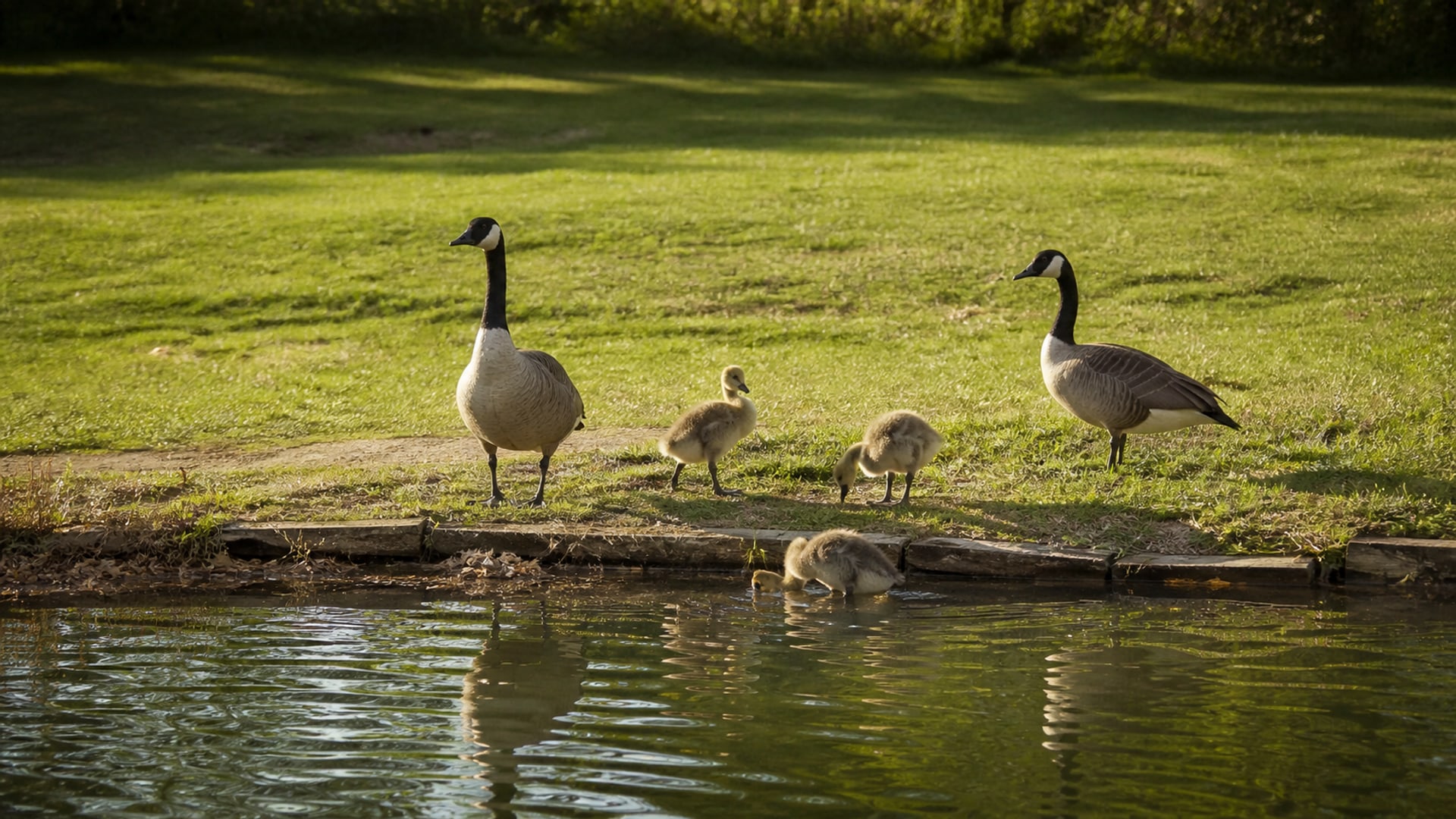
A school athletic field with open turf and water nearby

At a glance

Who we work with

Facilities and grounds leads, athletic directors

Background checks

CGS 10-222c in CT, CORI and fingerprinting in MA

No chemicals

Nothing that touches your IPM plan

Timing

Outside instruction, PE, practice and events

What a goose problem actually costs a school

The clearest documented case in this region is Rochester's Edison fields. Officials wrote to the district after players, officials, coaches and ball boys came into contact with droppings, and the record shows games were not played on those fields during the autumn of 2015. Cornell's write-up of the case adds the part that matters most to a facilities lead: cancelling games did not end the exposure, because PE classes and team practices carried on using the same ground. The district lost home-game admissions and concessions and paid for extra travel on top.

That is the failure mode in one example. The visible loss is a cancelled fixture. The unresolved problem is that the same surface is still being used by students every weekday, which is a harder thing to schedule around and a much harder thing to explain to a parent.

There is a turf dimension as well. UConn's guidance connects goose grazing directly to the uniformity of athletic turf and to athlete traction, which is the point where a droppings nuisance becomes a playing-surface and safety question rather than a cleaning one.

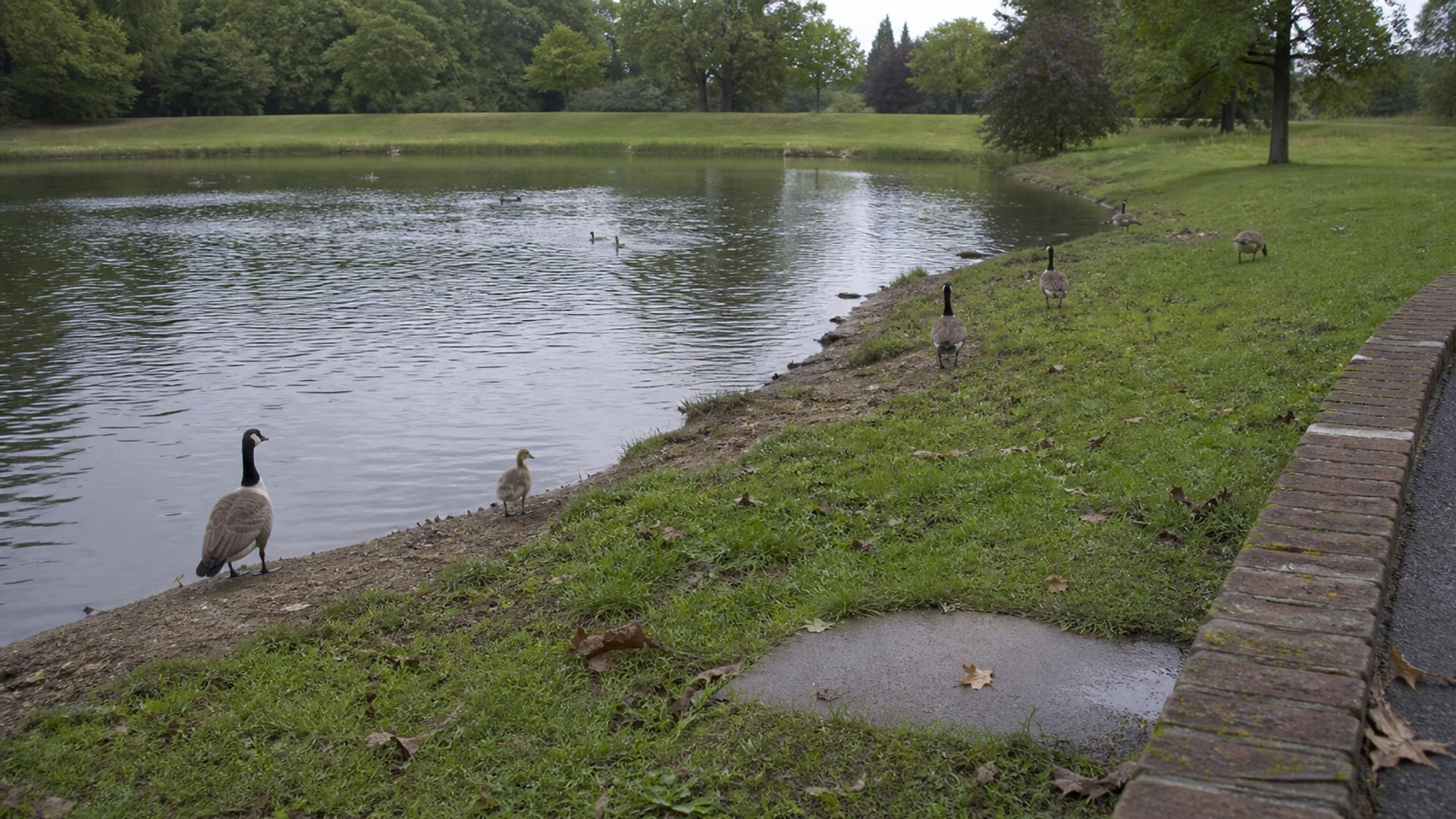
A school athletic field with open mown turf beside water

Children on site changes who is allowed to work here

This is the constraint that separates a school from every other property we work, and it is statutory rather than preferential. Connecticut General Statutes section 10-222c requires a board of education to obtain state and national criminal-history checks for people performing maintenance, repair or landscaping work during the school year at a school or on its grounds. The contractor has to certify before starting that no worker carries a disqualifying conviction, and the contract can be terminated over one or over a refusal to submit.

Massachusetts treats a contractor's employees working on school grounds inside the school criminal-history regime. For anyone beginning service from the 2014 to 2015 school year onward, the school employer obtains and reviews CORI results, requires fingerprint submission for a national check unless an exception applies, and makes a suitability determination. Chapter 6 section 172H separately reaches entities primarily providing activities or programs to children.

Practically, that means the paperwork starts before the scheduling does. Districts vary in badge, portal, escort and insurance requirements, so tell us what yours needs at the first conversation. A grounds contractor who is casual about this on a school site is telling you something about how they operate everywhere else.

Why a dog, and not something you spray

School grounds are among the most tightly regulated surfaces in the region for chemical application, and it is worth understanding that before anyone proposes a repellent. Connecticut restricts school pesticide applications during school hours or planned activities, and requires boards without a qualifying IPM plan to give annual pesticide-policy information to staff and parents. Massachusetts requires every school to have an IPM plan, requires two to seven working days' written notice to parents and employees before an outdoor application on school property, and restricts outdoor applications made for purely aesthetic reasons. New York goes furthest, prohibiting pesticides on school and day-care playgrounds, turf, athletic and playing fields, with limited exemptions.

A handler and a trained dog are not a pesticide application and do not engage any of that. Nothing is applied to the surface, nothing needs a notification period, and nothing has to be timed around a re-entry interval. On a New York athletic field in particular, where turf applications are largely prohibited outright, that is not a marketing point; it is most of the available option.

It also sidesteps the conversation nobody wants at a school board meeting, which is a parent asking what was sprayed on the field their child practises on.


Fitting the work into a school year

The calendar here is less flexible than almost any other site we work.

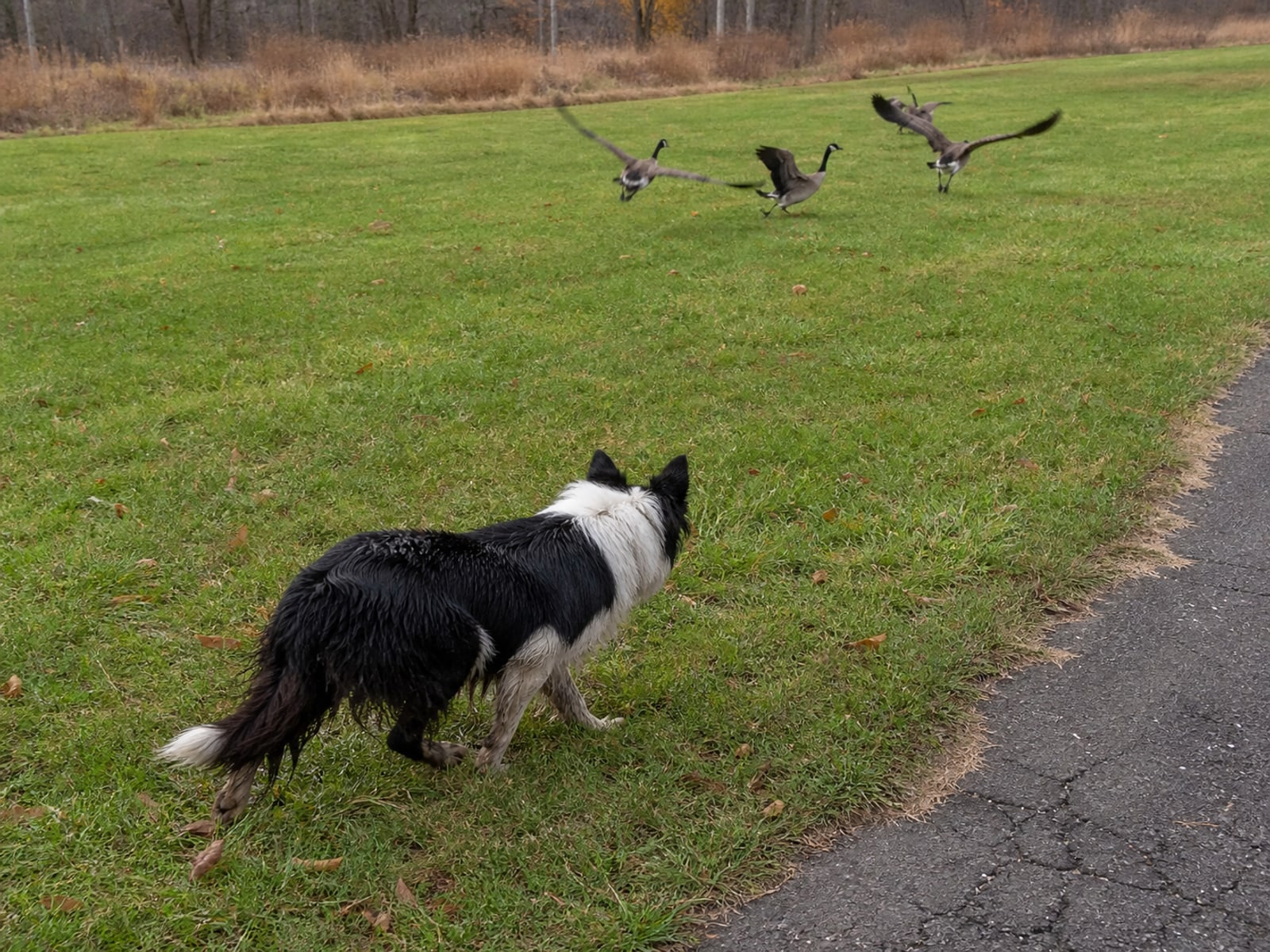
Close view of a playing surface thinned by goose grazing with droppings across it

A walk of the grounds with facilities, ideally with athletics present

Which fields carry the problem, where the water is, and which surfaces have to be playable on which days. A field used for games, PE and practice has three different sets of constraints on it.

The access rules agreed in writing

Approved window, check-in location, locked-gate procedure, escort requirement, parking route, and how a weather or event cancellation is communicated. We want this written down rather than understood, because a school site is not somewhere to improvise.

Visits outside instruction and use

Away from arrival and dismissal, recess, PE, practices, games, rentals and public events. UConn notes that noise-based deterrents are often impractical in a school environment, which is another reason a dog fits where a device does not.

A record the district can produce on request

Dates, fields covered, what the crew saw. If this ever reaches a board meeting or a parent enquiry, the answer should be a file rather than a recollection.

Handle the announcement as carefully as the work

Saranac Lake is the cautionary record here. Public reporting says the district's goose plan drew harsh public criticism and the school board agreed to revisit it. The concern was real droppings on student fields, and the objection was to the nature of the proposed response. That is not evidence that non-lethal work causes controversy; it is evidence that at a school, how a response is described and consulted on matters as much as what it does.

Our part of that is simple to state and easy to verify. No bird is caught, touched, injured or relocated. A trained dog moves geese the way a predator would, the birds leave under their own power, and no permit is required precisely because nothing is harmed. That sentence, said early and in public, resolves most of the objection before it forms.

One thing the district owns rather than us: feeding. A single person feeding the flock beside a field will hold birds there against everything else being done, and on school grounds that is usually addressed through signage and communication rather than through a contractor.

Who signs, and who has to agree first

The operational sponsor is usually a facilities or grounds title. Saranac Lake's goose issue was reported through its Buildings and Grounds Superintendent, and the Rochester project began with a letter to the Director of Athletics. In Greenwich, the public record describes the municipal Parks and Recreation department maintaining school buildings, grounds and fields, which is a reminder that in some towns the school's grounds are not the school's to contract for at all.

Above the sponsor, the route varies. Saranac Lake's Board of Education approved its goose plan. A district's purchasing officer or business office commonly controls the procurement method, and a board or school committee may need to approve the award under local policy. We would rather ask who holds the delegation on your particular contract than assume the person we are talking to can sign.

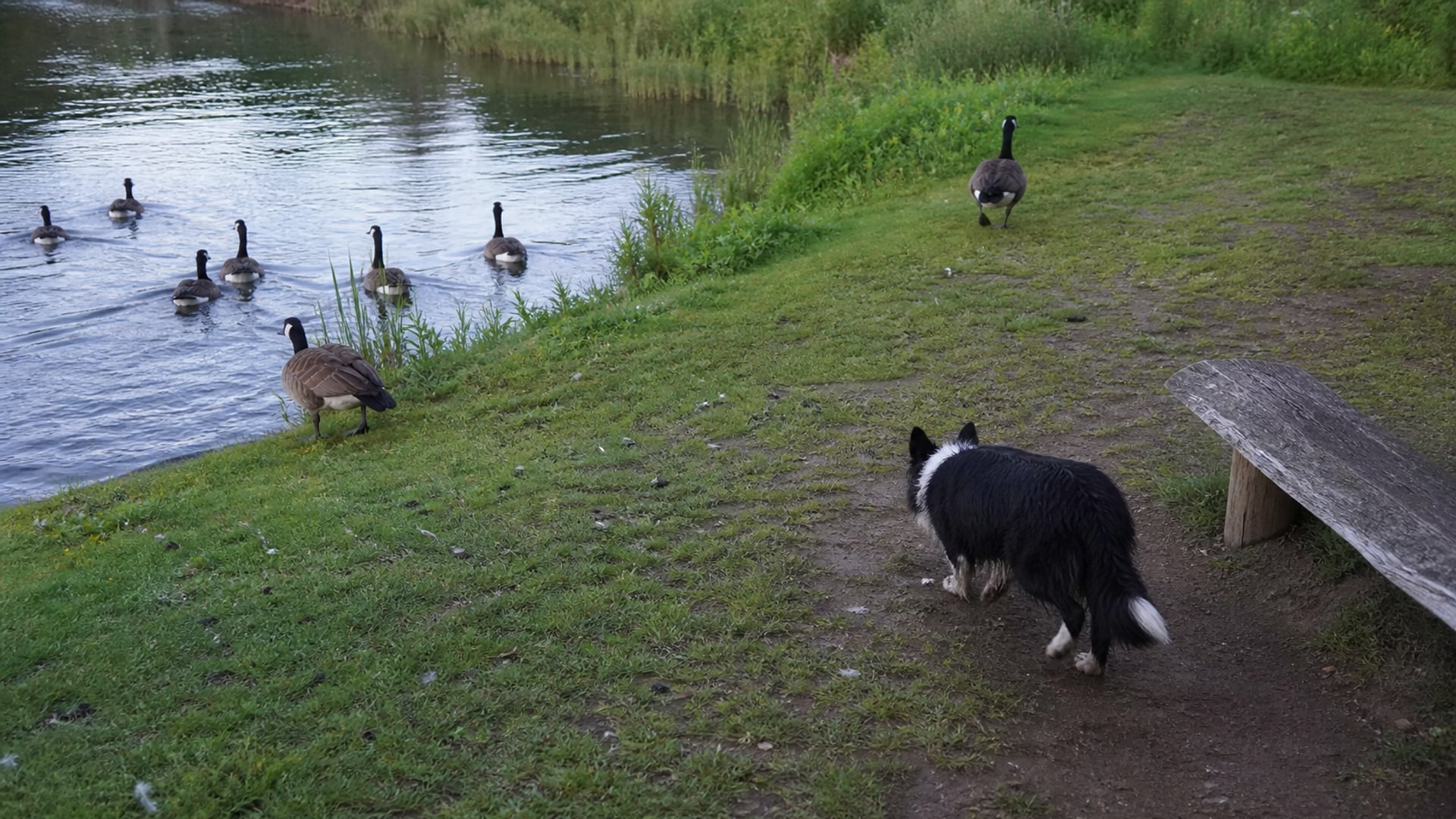
Maintained ground of the kind this page describes, on a schools and athletic fields property

Questions from facilities and athletic directors

Will the dog be anywhere near students?

No. Work is scheduled outside instruction and use, and the dog is a working herding dog under handler control at all times. If your district wants it done only when the grounds are empty, that is a normal request and we will schedule to it.

Do you meet the background-check requirements?

Tell us your district's process and we will complete it before anyone sets foot on the grounds. In Connecticut this is a statutory requirement on you under CGS 10-222c, not a courtesy, and we treat it that way.

Does this affect our IPM plan or need parent notification?

No. Nothing is applied to any surface, so there is no pesticide notification, no re-entry interval and no IPM entry. If somebody proposes a turf repellent at your school, that is a different conversation and it needs a state and district-specific review first.

Can you work around the playing season?

Yes, and it is the first thing we ask for. Give us the field-use calendar including rentals, and the schedule is built around it rather than negotiated week by week.

Our fields are municipal, not district-owned. Who hires you?

Whoever holds the maintenance responsibility, and it is worth confirming early. In some towns Parks and Recreation maintains school fields, which changes both the contract and the budget it comes from.

How fast will the fields be usable?

The date comes after we have walked the fields. A resident flock that has used them for several seasons behaves differently from one that arrived this spring, and that difference is what sets the schedule.

Talk to us about your fields

Call Tri-State Geese Patrol on (203) 856-4889 and tell us which fields are affected, where the water sits, and what your district requires of a contractor working during the school year. We would rather start the screening paperwork early than discover it at the point you need us on site.

Tell us what your property is dealing with.

Call Tri-State Geese Patrol on (203) 856-4889 and we will talk through the site, the flock and what a program would look like.