They are levers on different things, which is why the useful question is the mix rather than the choice.
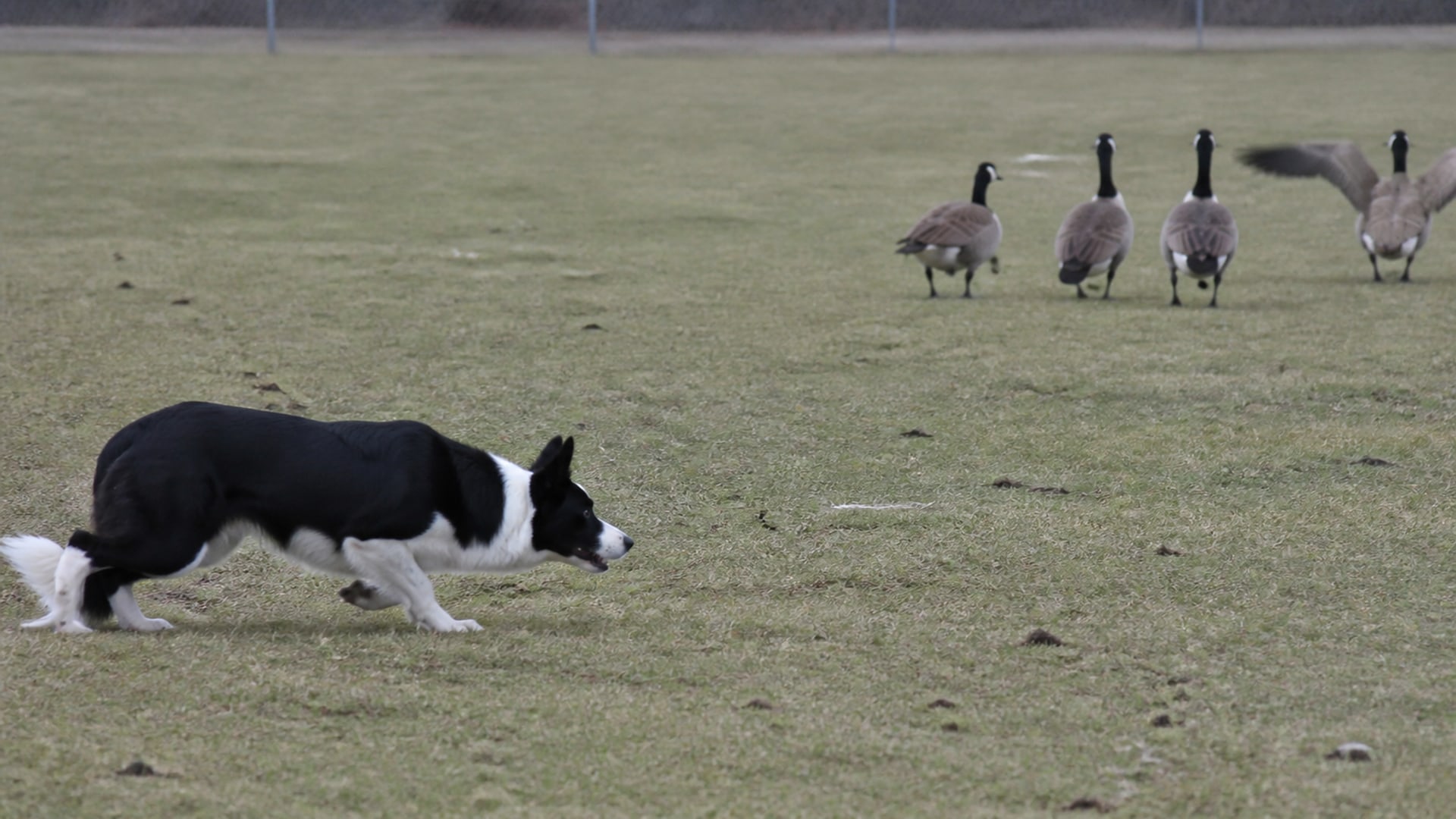
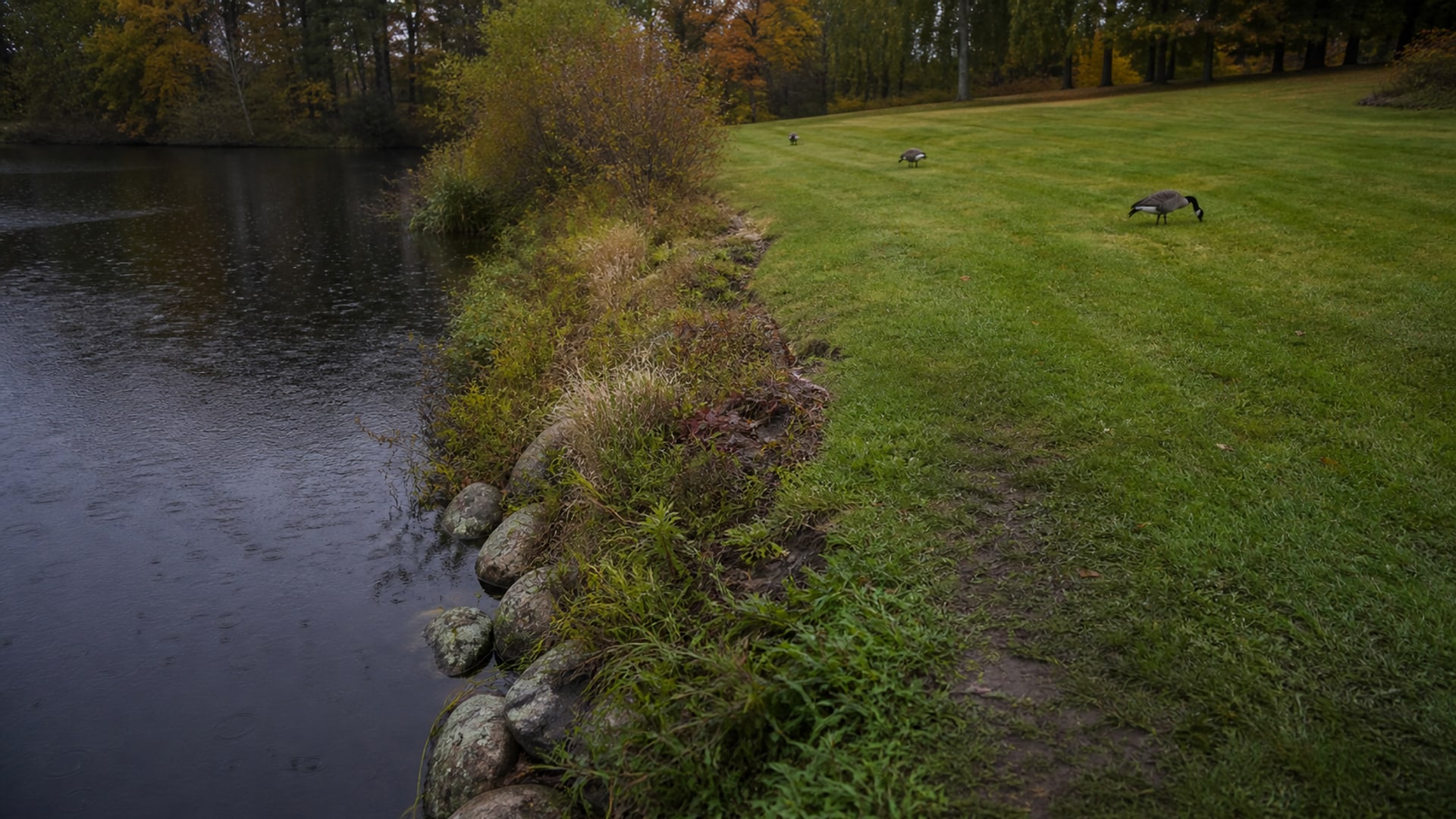
The dogs work on behavior. They change what the flock does today, and Connecticut DEEP is clear that the birds can return once the dog leaves, which is why the visits repeat on a pattern the flock cannot predict. Habitat work operates on the ground itself, reducing the food, the walking access and the clear sightlines that made the property attractive in the first place. The repellent works on appetite, on one defined patch. The consultation works out which combination your site can actually carry.
New York DEC's position is that no single method is universally effective and that persistent use of a combination is usually necessary. Connecticut DEEP reaches the same place by a different route: long-term solutions are complex, there is no panacea, and several non-lethal techniques used together at the right time do better than any one of them alone.
So a program that is only dogs works, and works harder than it needs to. A program that is only planting is slower to arrive and, on a public-use site, often not fully feasible. The combination is not an upsell, it is what the agencies describe.
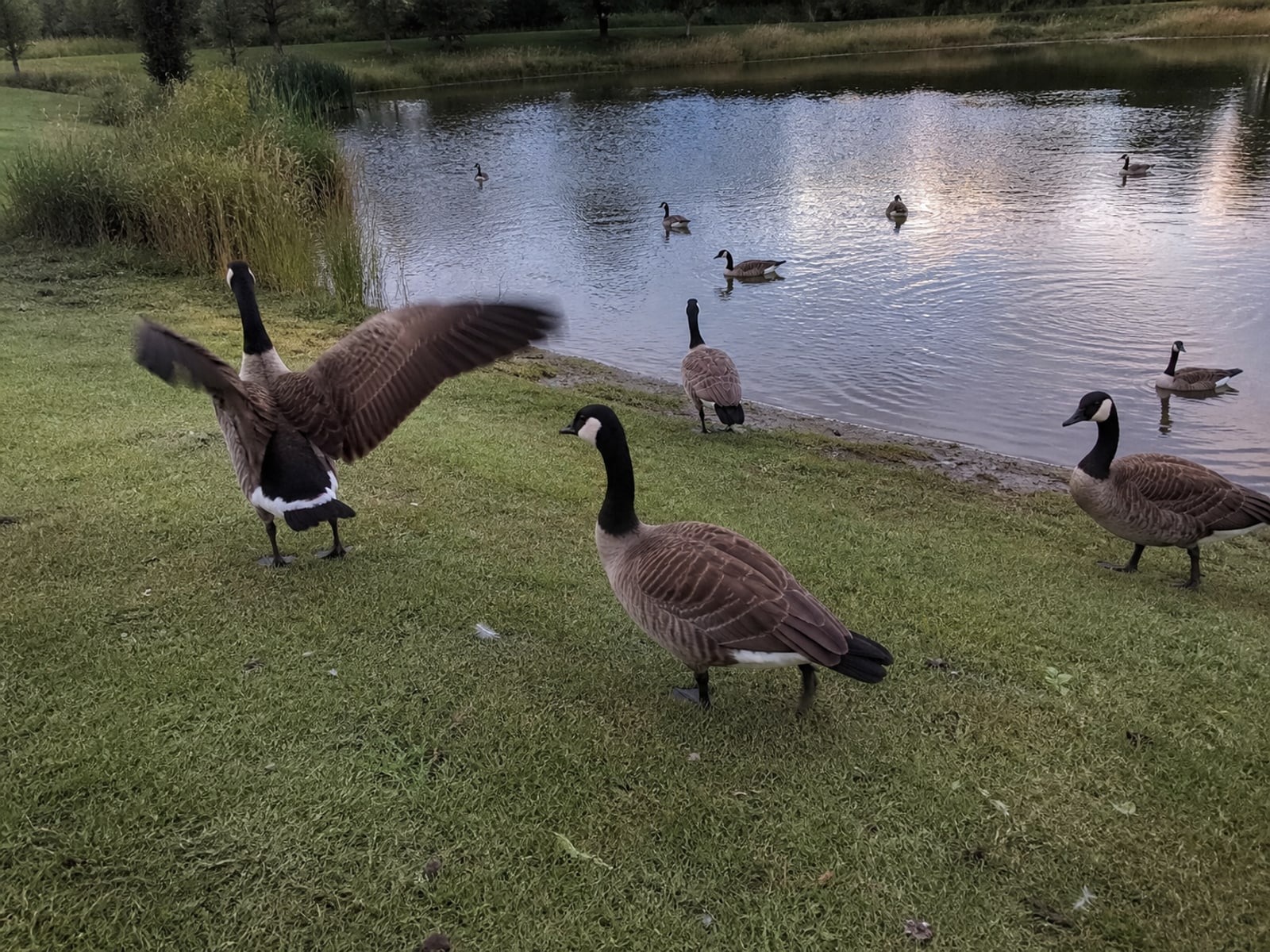
Season decides the balance as much as the property does. Through the June and July flightless molt the birds are on foot and concentrated, so a barrier between water and grass is doing real work and the dogs have less ground to cover. Once the birds can fly again, the physical changes cannot be described as a barrier at all and the active visits carry more of the load. A program written in February and one written in August are not the same program, even on the same site.