Tri-State Geese Patrol

Goose Control for Municipal Parks and Town Beaches

Public ground, public money and a public meeting where somebody will speak up for the geese. Tri-State Geese Patrol runs recurring Border Collie abatement for towns across Connecticut, Massachusetts and New York. Call (203) 856-4889.

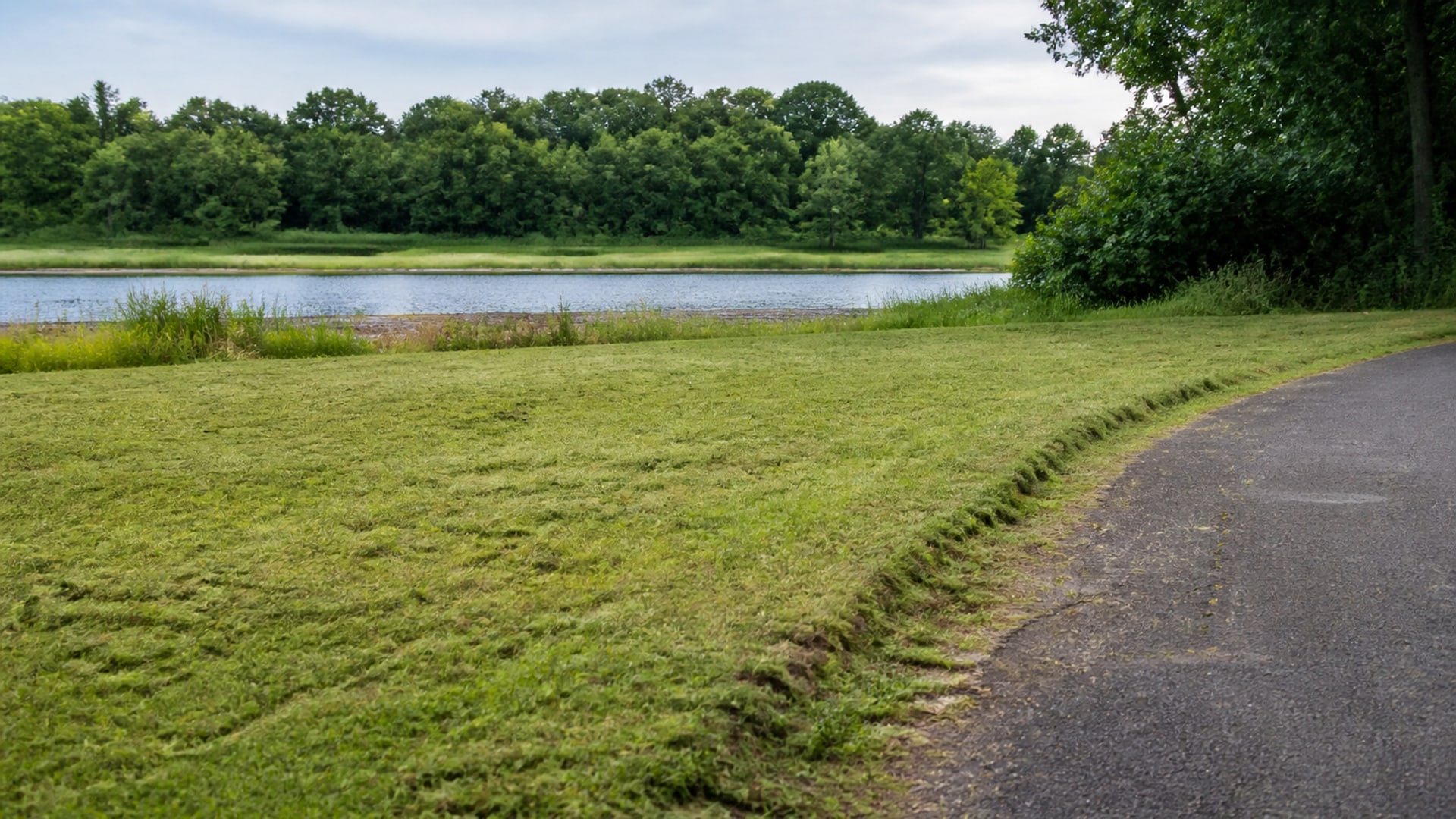
A town park lawn and shoreline in public use

At a glance

Who we work with

Parks and rec, public works, conservation commissions

Buying route

Quotes or sealed bid, by your threshold

Beaches

Your health department owns closure, not us

Everything is public

Bid, award and records

A town already published what this work looks like

If you want to know what a municipal goose contract actually specifies, Greenwich has put one on the record. Its 2026 invitation to bid sought Canada goose site-aversion services at six town locations: Byram Park, Bruce Park, Binney Park, Greenwich Point Park, Glenville School and Cos Cob Library. The Purchasing Department issued it for the Conservation Commission, and the town describes the goose program as collaborative with Parks and Recreation.

The operating terms in that document are worth knowing before you write your own. It requires the program to run at random times during daylight hours between 6:00 a.m. and 10:00 p.m., a twenty-four hour telephone contact, a one-hour response to service calls, and it contemplates work from small watercraft as well as on land. A winter break depends on the weather.

Three things follow from that for any town writing a scope. Randomised timing is a requirement rather than a nicety, because a flock learns a fixed schedule. Water access matters, because birds pushed off a lawn simply sit on the pond unless somebody can reach them there. And a response-time clause is how a town keeps a seasonal contract honest between scheduled visits. We are not the contractor named on Greenwich's own information page and we are not implying otherwise. We are pointing at a real, current, public specification you can read.


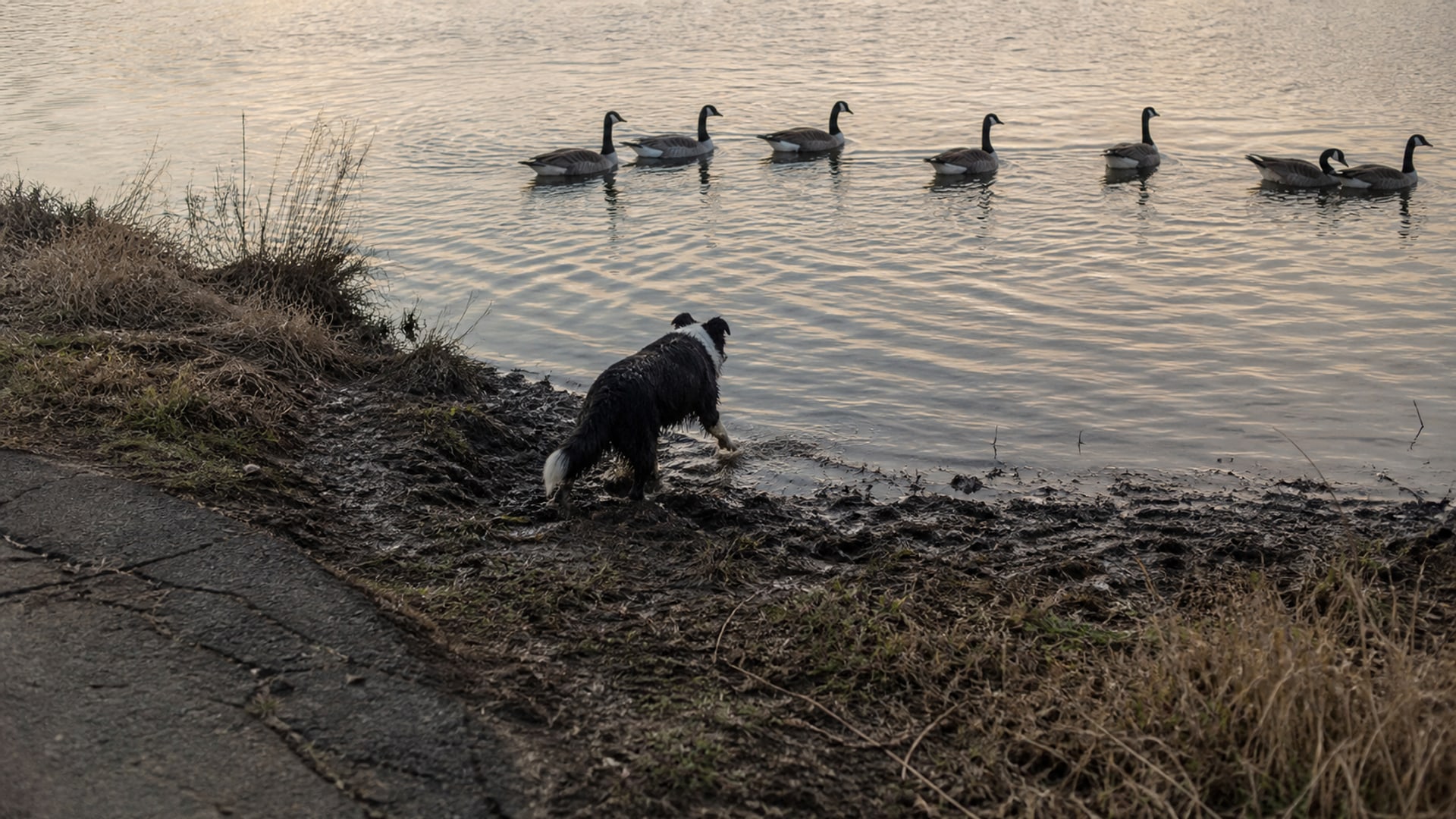
A public park lawn running down to open water

Who has to be in the room

The person who raises the problem is usually a parks and recreation director, a parks superintendent, a public works director or a conservation director. The person who signs is set by your charter, purchasing ordinance and delegation, and is often the purchasing office rather than the department. The Greenwich example shows all three roles in one purchase: a program sponsor, an operating department, and a purchasing office issuing the bid.

At a swimming beach there is a fourth party who does not sign the contract but constrains it. In Connecticut, municipal beach closure decisions are made by the local health department or district. In Massachusetts, public and semi-public bathing beaches are regulated under 105 CMR 445, and the operator must stop swimming when the Board of Health or the Department considers the water hazardous. In New York, a city, county or part-county health official issues the bathing-beach permit and the beach status can be open, advisory or closed.

Bring that official in early rather than late. They are not an obstacle to a goose program; they are the people whose data will eventually be used to judge whether anything changed.

How the buying actually works

The route depends on the value and your own adopted policy, and it is worth classifying the scope before you go looking for quotes. Massachusetts guidance under Chapter 30B sets the shape plainly: below ten thousand dollars, sound business practices; ten to fifty thousand, a written purchase description and written quotations from at least three customary providers; above fifty thousand, sealed bids or proposals, advertised. The written contract requirement begins at ten thousand.

In New York, municipalities follow their own adopted procurement policies, with Office of the State Comptroller guidance pointing to competitive bidding under General Municipal Law section 103 for public work above thirty-five thousand and purchase contracts above twenty thousand. Professional services sit under local policy instead. A dog-based wildlife service does not have one settled classification statewide, so have purchasing or counsel classify it under your policy rather than assuming.

Connecticut varies by charter and ordinance. What is consistent across all three states is that the bid, the award and the resulting records are public, which is a feature rather than a nuisance: it means you can read what a neighboring town paid for and specified before you write yours.

Working on ground the public is standing on

The operational difference from a private site is that we cannot ask anyone to leave.

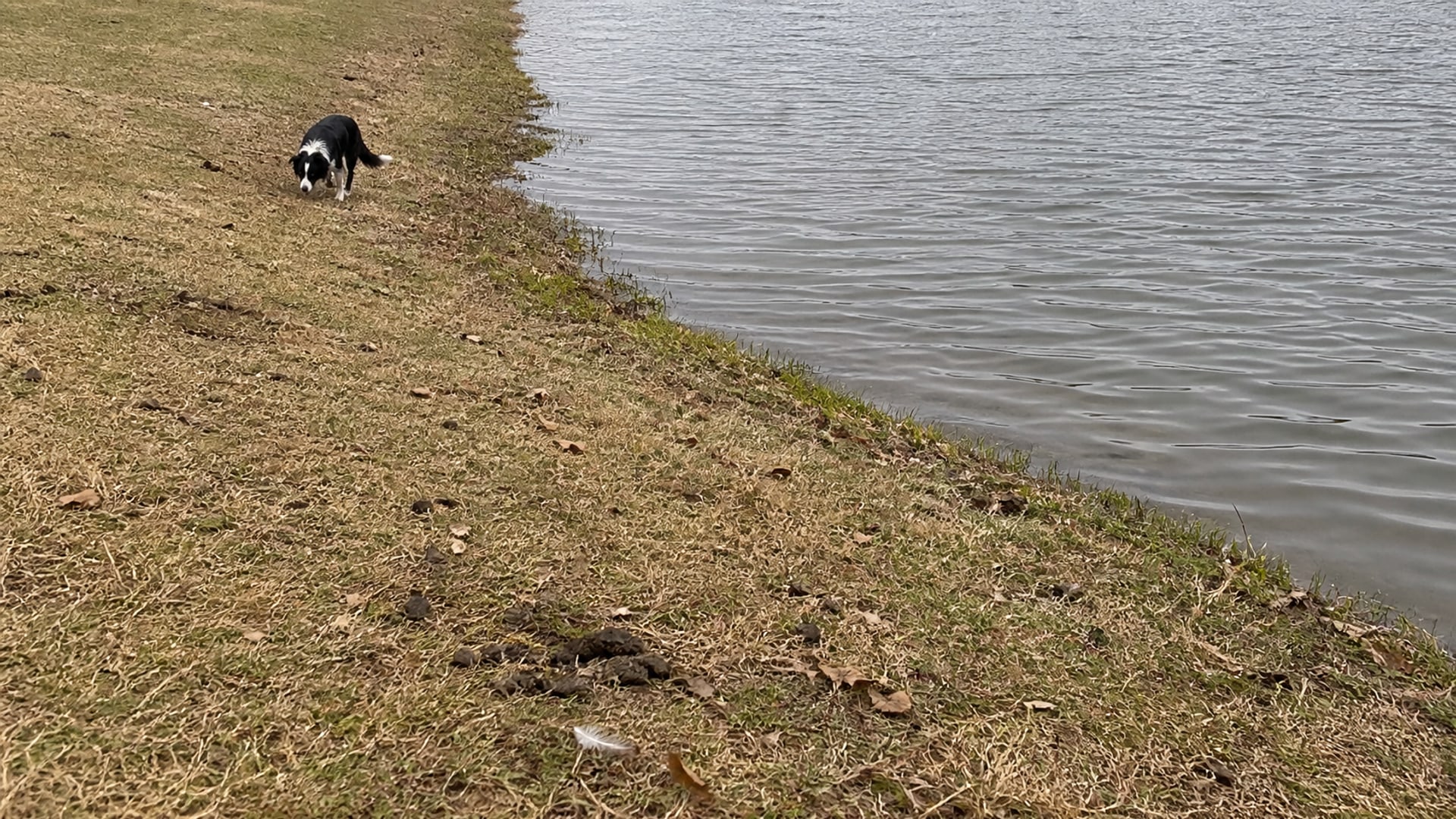
Canada goose droppings across a public path beside water in a town park

A walk of every site in the scope, separately

A six-location contract is six different problems. A town beach, a green with a pond, a school field and a library lawn each hold birds differently, and pricing them as one average site is how a program underdelivers at the worst location.

Timing that is randomised on purpose

Daylight visits at varied times, worked around public use, events, sports bookings and staff schedules. A predictable van at nine every Tuesday teaches a resident flock exactly when to be elsewhere for an hour.

Water access where the birds actually sit

If a pond or shoreline is part of the site, the program has to be able to work it. Otherwise the flock steps ten feet into the water and waits, which residents will notice and report as failure.

Records that survive a public meeting

Dates, locations, what the crew saw. When somebody stands up at a council meeting and asks what the town got for the money, the answer should be a document rather than a recollection.

Being straight about your beach

It is tempting for a contractor to link geese directly to a closure, and we are not going to. Connecticut is clear that indicator bacteria detect potential contamination from fecal material of human or animal origin, and that closure decisions use data alongside professional judgement. Attributing a specific closure to geese needs a site-specific investigation, not an assumption, and a town that repeats an unsupported causal claim in public is the one left holding it.

What we can say is that geese are one contributor to the loading on a water body, that reducing their use of a bank and lawn reduces what they deposit there, and that your own monitoring data is the honest measure of whether anything changed. If your health department already samples weekly, you have a better dataset for judging this program than we could ever hand you.

The same caution applies to the complaints file. Public records show real municipal pressure on this issue, including a 2017 Medford council discussion prompted by a child picking up goose droppings and a request for an action plan, and Great Barrington putting geese at Lake Mansfield beach on a public task-force agenda with a citizen speaking period. Those are records of complaints and governance attention. They are governance and complaint records rather than health-code violations, and they are presented here as what they are.

The residents who like the geese

They will come to the meeting, and on a public project their objection carries weight that it does not carry at a private club. The good news is that the objection is almost always about harm, and the honest answer resolves it: no bird is caught, touched, injured or relocated. A trained dog moves birds the way a predator would, the birds leave under their own power, and nothing in the program requires a permit precisely because nothing in it harms an animal.

The second question that usually follows is whether the town is spending money on something cosmetic. That one is better answered with your own ground than with our brochure: a fouled swimming area, a playing field that cannot be used, or a walkway that has to be pressure-washed weekly is not cosmetic, and the parks staff already know which sites those are.

Public education is a legitimate third leg here, and towns run it themselves. Greenwich's program describes exactly that combination: population stabilisation, hazing on high-use or environmentally sensitive properties, and public education together. Feeding bans in particular do more when residents understand them than when they are simply posted.

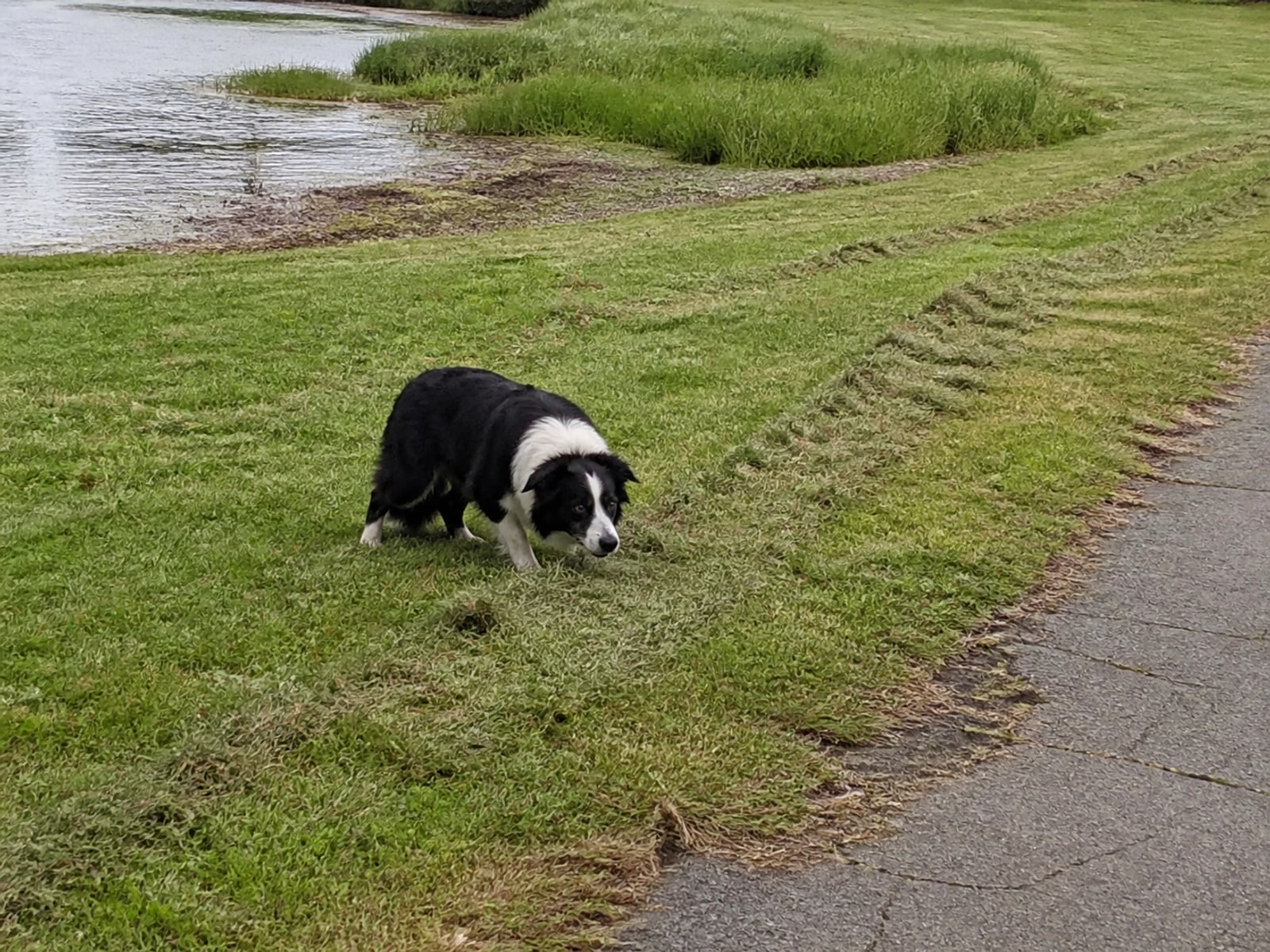
Maintained ground of the kind this page describes, on a municipal parks and beaches property

Questions town staff ask

Do you need a permit to do this on town land?

Not for non-injurious herding with dogs. New York DEC states no federal or state permit is needed to scare, herd or chase geese, including with dogs, so long as no bird is physically harmed. Anything touching nests, eggs or taking a bird is a different route entirely and is not what we do.

Can you write to our bid specification?

Yes, and we would rather respond to a real specification than a general enquiry. If you are drafting one, the Greenwich document is a useful public model for the operating terms.

What insurance and documentation will you provide?

Certificate of insurance with the town as additional insured where required, and whatever the award documents specify. Tell us the exact wording your purchasing office wants and we will meet it or say plainly that we cannot.

How do we know it is working?

Bird counts at the same locations at the same points in the season, your own complaint log, and at a beach your existing water monitoring. We would rather you measured us against data you already collect than against our own report.

Can you cover several sites under one contract?

Yes, and that is the common municipal shape. We price and schedule each location separately inside it, because a beach and a library lawn are not the same job.

Is there a winter break?

Usually, and it depends on the weather rather than the calendar. Migrant birds arrive here in October and again in mid-December, so a contract that stops dead on 1 November can be caught out.

Talk to us about your parks

Call Tri-State Geese Patrol on (203) 856-4889 and tell us which sites are worst, whether a swimming area is involved, and what your purchasing process requires. If you are still writing the specification, we are happy to talk through what a workable one contains before you post it.

Tell us what your property is dealing with.

Call Tri-State Geese Patrol on (203) 856-4889 and we will talk through the site, the flock and what a program would look like.