

The shortest, greenest grass
Which is generally the grass somebody works hardest on. Fertilized and irrigated turf is better forage than anything around it, so a well-maintained lawn is not incidental damage, it is the target.
This is the complaint most properties start with, and the numbers behind it are worse than people expect. USDA APHIS reports that a single Canada goose can defecate every 20 minutes and produce up to 1.5 pounds of feces per day. Connecticut DEEP calls fecal waste on lawns, fairways, greens and parks the most common and persistent municipal concern, and says large quantities can leave outdoor spaces unusable. Cleaning it up does not slow it down. Call Tri-State Geese Patrol on (203) 856-4889.
Per bird, per day
Up to 1.5 pounds
Frequency
As often as every 20 minutes
Worst months
The flightless molt, June and July
What fixes it
Fewer bird-hours on the ground
Most grounds staff have already worked this out by the time anyone calls us, but it is worth putting on paper because it is what justifies the spend.
USDA APHIS reports that a single Canada goose can defecate every 20 minutes and produce up to 1.5 pounds of feces per day. MassWildlife's own estimate runs from half a pound to a pound and a half a day. Take a modest resident flock of twenty birds sitting on your ground for a good part of the day, and you are dealing with a daily deposit measured in tens of pounds, laid down on exactly the surfaces people use.
Now note where it lands. Geese graze short mown grass and rest near water, so the fouling concentrates on the ground you maintain most carefully: the lawn by the entrance, the walkway to the door, the beach approach, the green, the fairway landing area, the pitch. Connecticut DEEP identifies fecal waste on lawns, fairways, greens and parks as the most common and persistent municipal concern and says large quantities can leave outdoor spaces unusable.
The important part is that cleanup does not reduce the deposit rate. It only resets the count. Every hour the flock spends on your ground restarts it, which is why the only measure that moves the problem is bird-hours: the number of birds multiplied by the hours they spend on the property. That is the whole reason abatement is priced as a program rather than as a service call.
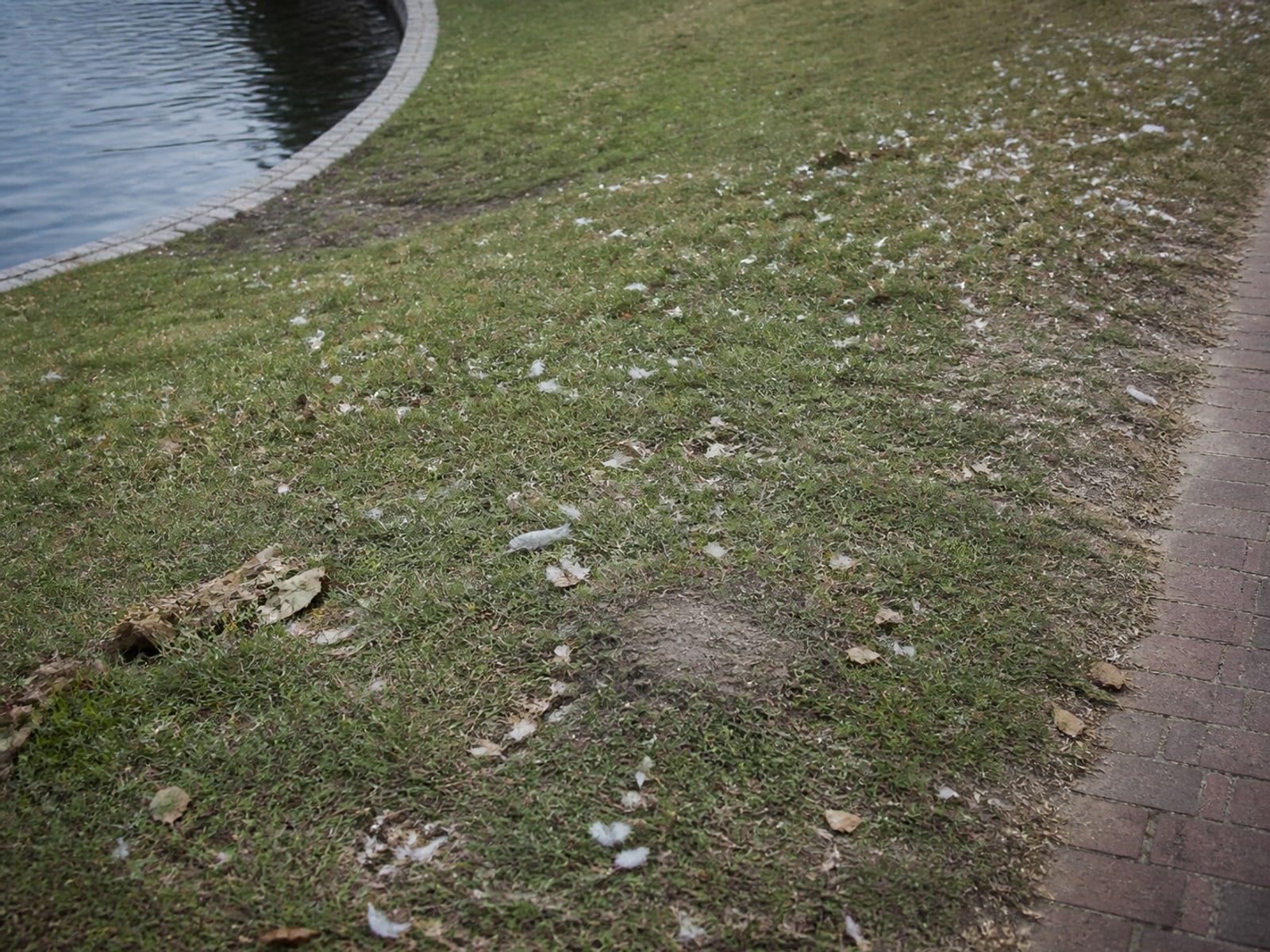
The fouling is what people notice. The grazing is what costs money.
Canada geese are grazers, and short, fertilized, irrigated turf is high-quality forage. A resident flock returns to the same ground repeatedly, which means the same square yards get cropped, trampled and fouled through a season rather than being used once and abandoned.
The result on maintained turf is thinning, bare patches where pressure is heaviest, and slower recovery on any surface already stressed by play, drought or traffic. A USDA technical series notes that damage to putting greens can cost thousands of dollars to repair or replace, and it deliberately does not offer a general per-property figure, because the answer depends entirely on the surface and the pressure.
That is the honest position here too. Nobody credible publishes a dollar figure for turf loss that would apply to your site, so we record where the birds are actually spending time instead. That is the input to the question.
There is a second-order cost that rarely makes it into a budget line. Turf that is being grazed and fouled continuously is turf that cannot be renovated on a normal cycle, because the pressure does not pause for the work to take. Grounds staff end up doing the same repair repeatedly on the same square yards, at the same time of year, and it reads as a maintenance overrun rather than as a wildlife problem.
What you can count honestly is your own labor. The staff hours spent clearing surfaces before opening, the mornings a field or a beach approach is not usable at the time it is supposed to be, and the number of people who complain. Those three are measurable on your side without anybody publishing a study, and together they usually make the case better than any figure a contractor could quote you.
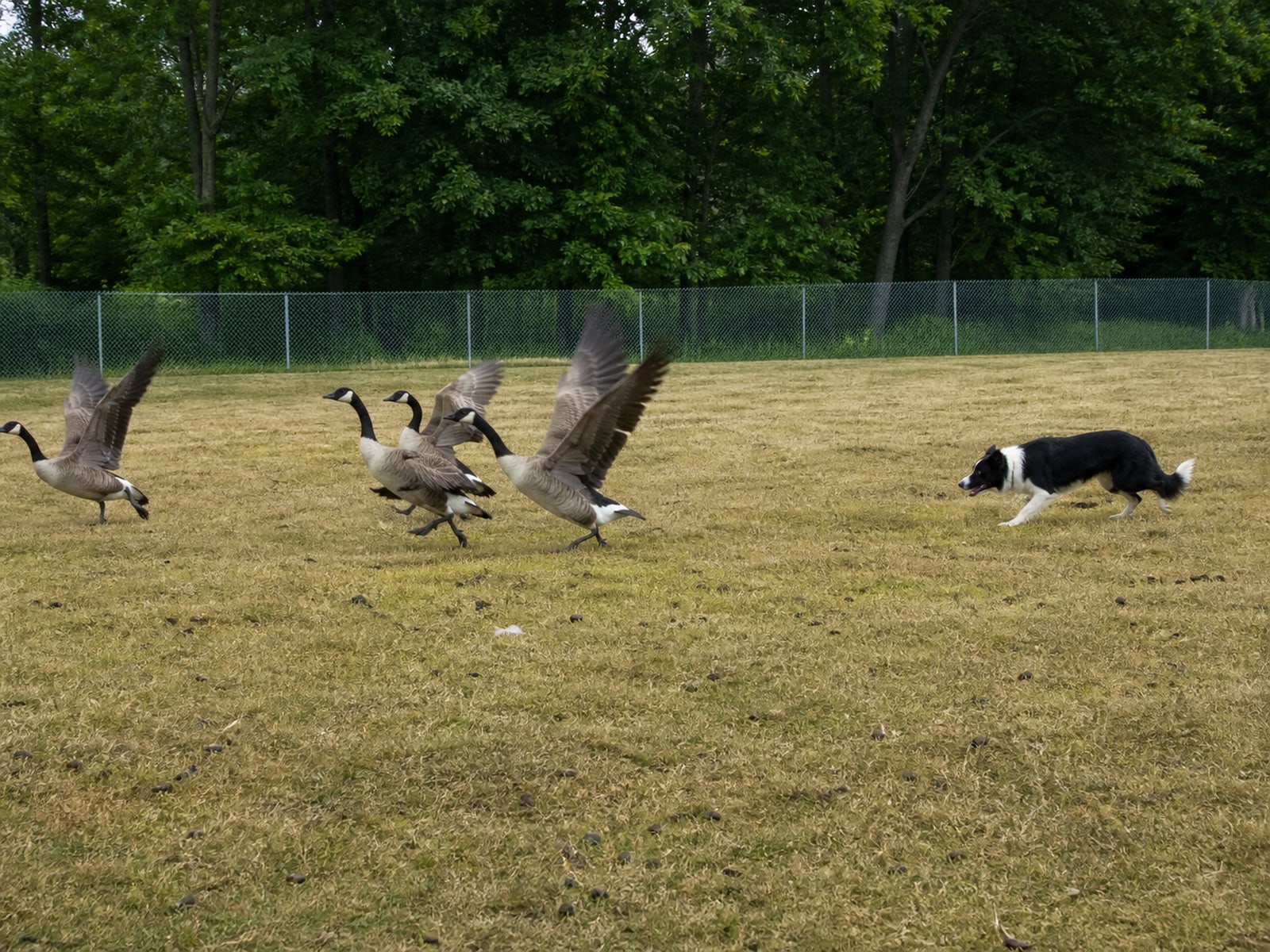
The pattern is consistent enough that grounds staff usually name the same handful of places.
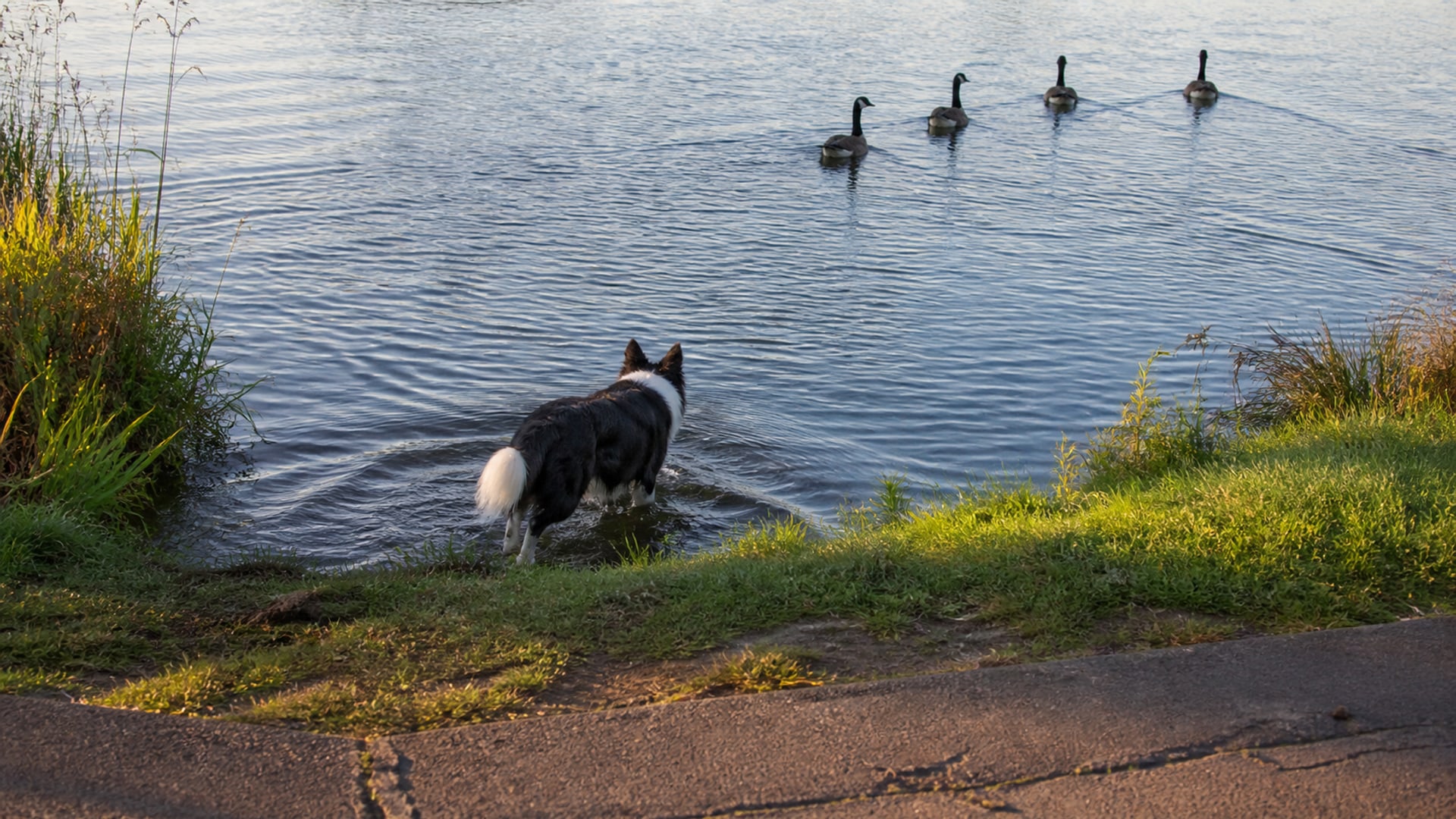
Which is generally the grass somebody works hardest on. Fertilized and irrigated turf is better forage than anything around it, so a well-maintained lawn is not incidental damage, it is the target.
Birds walk in from the water rather than flying to the middle of a lawn, so the shoreline strip and the first stretch of turf inland take the heaviest use.
Hard surfaces show it, people walk on it, and it becomes a complaint rather than a maintenance item. Connecticut DEEP's point about spaces becoming unusable applies here first.
On a golf course the fouling and the grazing land on the surfaces with the lowest tolerance for either, and the cleanup has to happen before play rather than at a convenient hour.
Fields have to be clean and safe for use on a fixed schedule, which turns a grounds problem into a fixtures problem.
Anywhere people sit, eat or stand still. This is usually where a tolerated problem becomes an escalated one.
If your worst weeks are early summer, this is why, and it is not your imagination.
New York DEC identifies a four to five week flightless molt between mid-June and late July, with flight resuming by August. Connecticut DEEP identifies June and July as the months when geese have molted their flight feathers and cannot fly.
A flightless flock cannot leave. It stays on the ground it is already on, concentrated, for weeks, and everything it produces lands in one area. At the same time the goslings hatched from the spring peak are on the ground with the adults, so the count on your property is often at its annual high.
There is an operational consequence worth planning around rather than reacting to. Penn State Extension advises that the birds should not be disturbed during the molt, and a barrier that stops birds walking up from the water does more in those weeks than at any other point in the year, precisely because walking is all they can do. MassWildlife notes that geese walk to feeding sites from water and rarely fly over a fence, particularly during the summer flightless period.
A property that plans for June in February has options. A property that discovers it in June has fewer.
None of this replaces a program and all of it helps. If you are dealing with fouled ground right now, start here.
USDA APHIS says feeding encourages wildlife to congregate, reduces their fear of people and can increase aggression and disease spread. On public ground it is usually the strongest single attractant and the least expensive one to remove. Signs help, but the instruction has to reach your own staff too, because a groundskeeper scattering bread at the end of a shift undoes the signage.
Massachusetts DCR tells its own site managers not to mow to the water edge and to keep a vegetated buffer instead. Letting a strip grow costs nothing, changes nothing you were using, and starts interrupting the walking route in from the water while you are still deciding what to do.
For a week, note where the birds are and at what times, and which surfaces need cleaning. This becomes the baseline. Without it, three months into a program neither of us can say honestly whether anything changed, which is the position most properties find themselves in.
Rather than trying to clean everything to the same standard, decide which one surface has to be clean and when. That priority is the first thing a program is built around, and knowing it before the first call saves a round of conversation.
From March a pair will defend ground, and mid-June to late July the birds cannot fly. Penn State Extension advises that geese should not be disturbed during the molt. This is the window where an untrained attempt gets somebody hurt or crosses a legal line.
There is only one lever that matters, and it is bird-hours on your ground. Everything below is a way of pulling it.
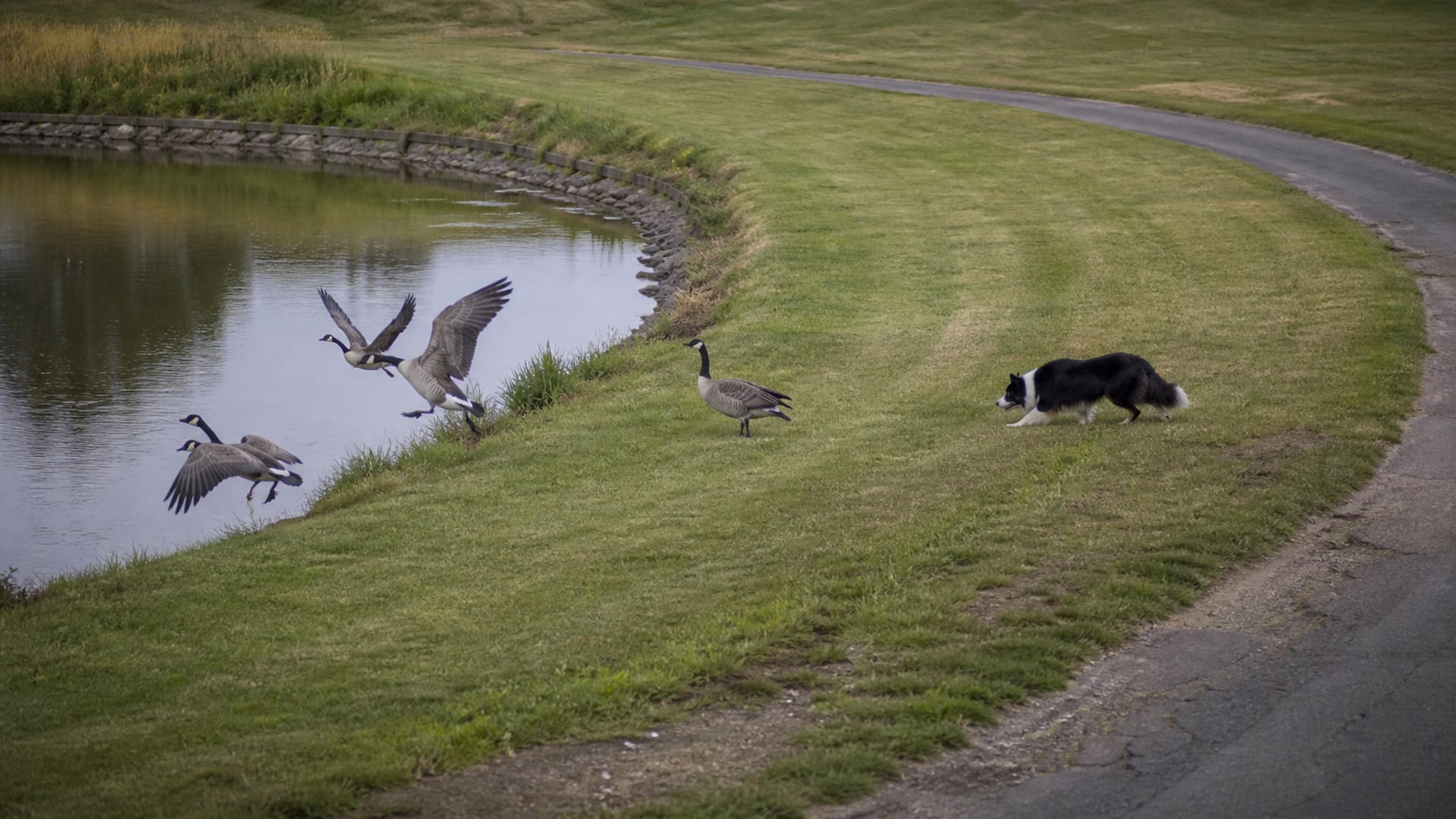
Trained Border Collies and handlers working the site on a schedule the birds cannot predict. This is the fastest-acting lever and the core of most programs. USDA research on hazing found that geese returned within 48 hours of a single event, which is why the mechanism is repetition rather than a visit, and why Border Collie goose abatement is sold as a season rather than as a day. The reason this works on fouling specifically is direct: a bird that is not standing on your grass is not depositing on it, so the effect starts on the first visit and compounds as the flock's return interval stretches.
A low barrier at the water and grass edge, or a wider strip left unmown or planted. Massachusetts DCR tells its own managers not to mow to the water edge and to keep a vegetated buffer, and MassWildlife recommends a hedge or a wide swath of uncut growth between water and mowed grass. This is habitat modification, and it is the more durable half.
Connecticut DEEP lists grass allowed to reach a foot or more, reduced fertilizer and watering, and less-palatable groundcover among habitat measures. On a priority area that has to stay short and clean, a registered turf repellent makes the grass unappetizing instead, though it needs reapplying after rain or mowing and suits small areas rather than wide expanses. Applying one to commercial turf is licensed pesticide work, so it belongs to a certified applicator rather than to us.
USDA APHIS says feeding encourages wildlife to congregate, reduces their fear of people and can increase aggression and disease spread. On public ground this is frequently the single strongest attractant, and signage plus a groundskeeping instruction belong in the plan rather than in a footnote.
Not whether geese are present, but where they are compared with the baseline and how long they stay away between visits. A New York integrated study used standardized fecal counts alongside goose movement and population surveys, with managed and unmanaged comparison sites. Counting droppings on a fixed transect is genuinely the most direct measure of this particular problem. It is also the measure that protects you. A fixed transect counted the same way each month is hard to argue with, and it means a program that is not working gets found out early rather than at renewal.
Most properties have tried at least two of these before calling anybody, which is useful information rather than an embarrassment.
It resets the count without changing the deposit rate. It is necessary and it is not a solution, and treating it as one is how a maintenance budget quietly absorbs a problem for years.
MassWildlife notes geese adapt to loud noises and Penn State Extension says they acclimate quickly to visual deterrents. Connecticut DEEP makes the same point about devices with no consequence behind them. After a week the flock has learned the ground is safe.
Cornell's urban-goose guidance says quick fixes seldom reduce conflicts and that scare techniques or barriers can give short-term relief at one property while moving the flock to another site.
Resident birds live there. The seasonal composition shifts but the ground stays attractive unless something about it changes.
Canada geese are federally protected under the Migratory Bird Treaty Act, and nest and egg work is separately regulated and registered. This is not a grey area and it is not ours to perform.
It is a fair question and a common one on municipal FAQ sheets. The defensible answer is that fouling is a nutrient and microbial loading concern rather than a proven health violation on any given property, and Connecticut DEEP's own framing is about spaces becoming unusable. If a specific health question matters at your site, that is one for your local health department rather than for a contractor.
Fewer than most people expect, because the deposit rate is per bird per day and it compounds on the same ground. A handful of resident birds on a small lawn produces a visible, persistent problem, and the count matters less than how many hours they spend there.
Fouling clears quickly once grazing pressure drops, and your grounds staff usually notice that before anyone else does. Turf recovery depends on the surface, the season and how stressed it already was, which is why we report on where the birds are rather than promising a turf outcome.
Not sensibly on a large area, and it is not something we offer. Connecticut DEEP describes chemical repellents as expensive, needing reapplication after rain, and practical for small lawns rather than wide expanses of turf. Applying one to commercial turf is licensed pesticide work with its own certification, so it belongs to a licensed applicator rather than to us.
It tracks the bird-hours rather than the calendar, so it follows the flock's use of the site. We would rather tell you what the record is showing after the first visits than commit to a number before anyone has walked your ground.
It can, and it is worth raising early. Cornell notes that pushing birds off one property can move them to another site nearby, so on a campus, a corridor of adjoining properties or a municipality, the sensible boundary for a program is sometimes larger than one parcel.
The most useful thing you can tell us on a first call is not the bird count. It is which surfaces are fouled, how often they have to be cleaned, and what those surfaces are used for, because that is what sets the priority areas in a program.
Call Tri-State Geese Patrol on (203) 856-4889, or send us a message and it goes straight to Bill.
Call Tri-State Geese Patrol on (203) 856-4889 and we will talk through the site, the flock and what a program would look like.