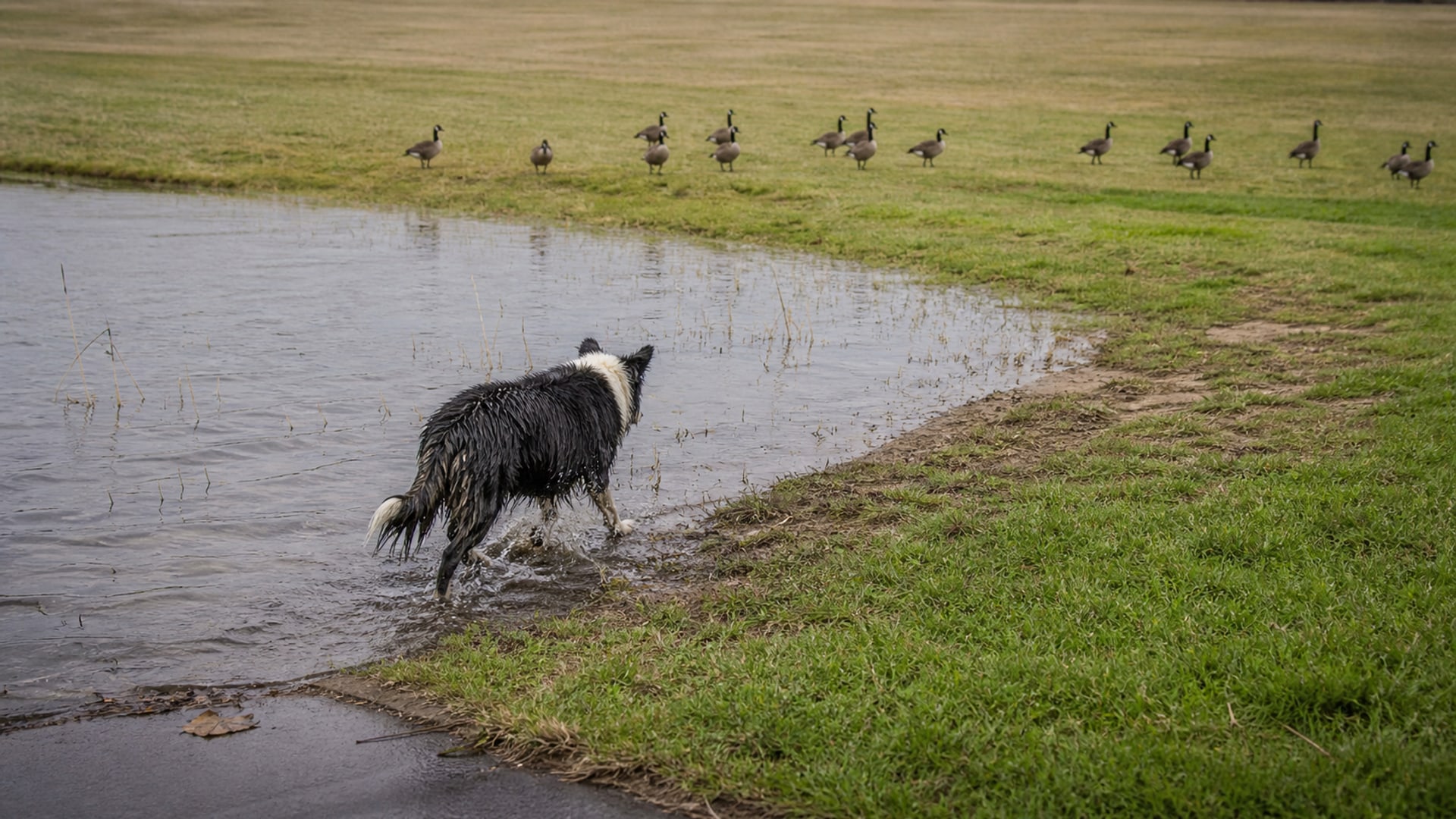
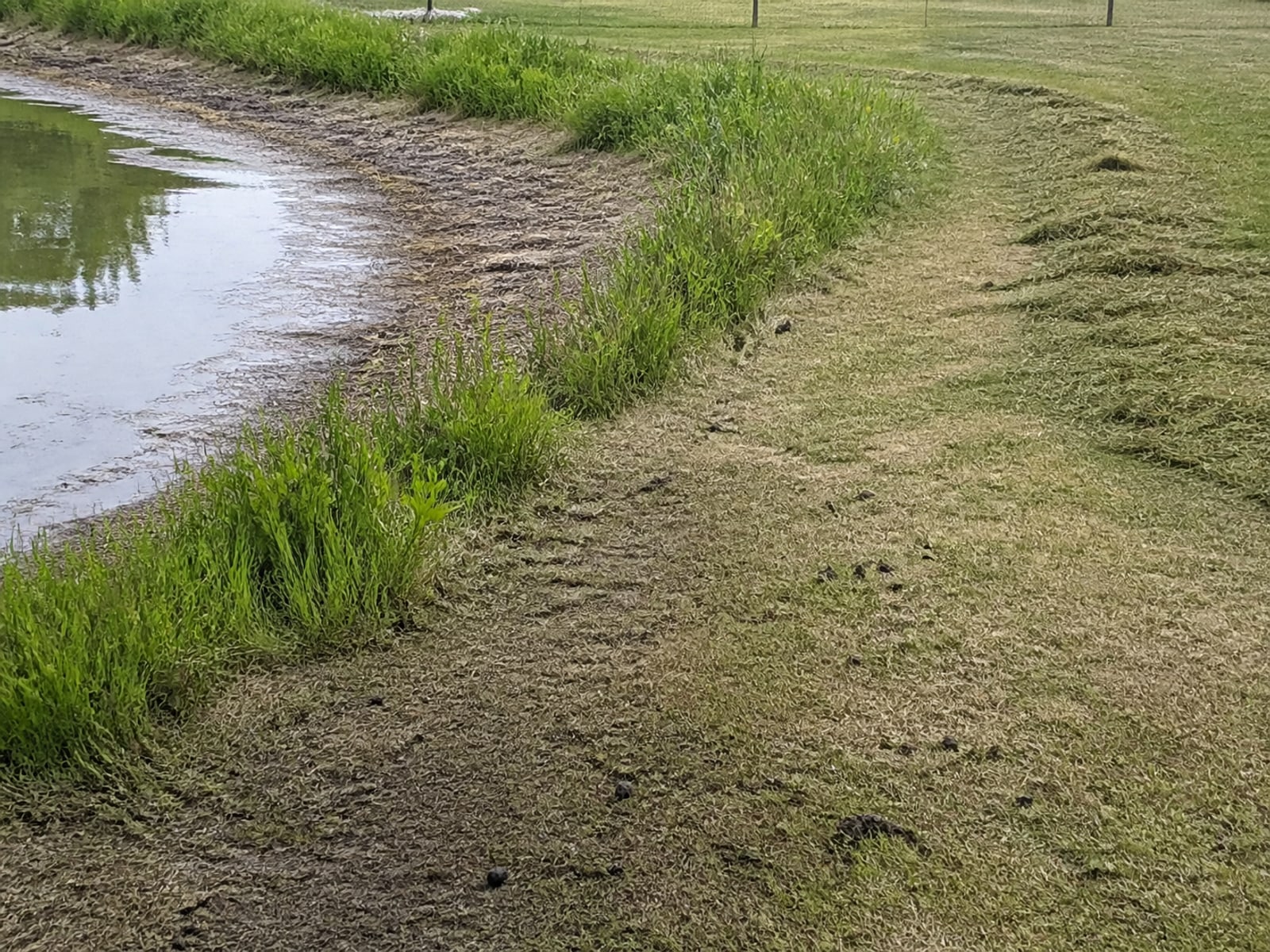
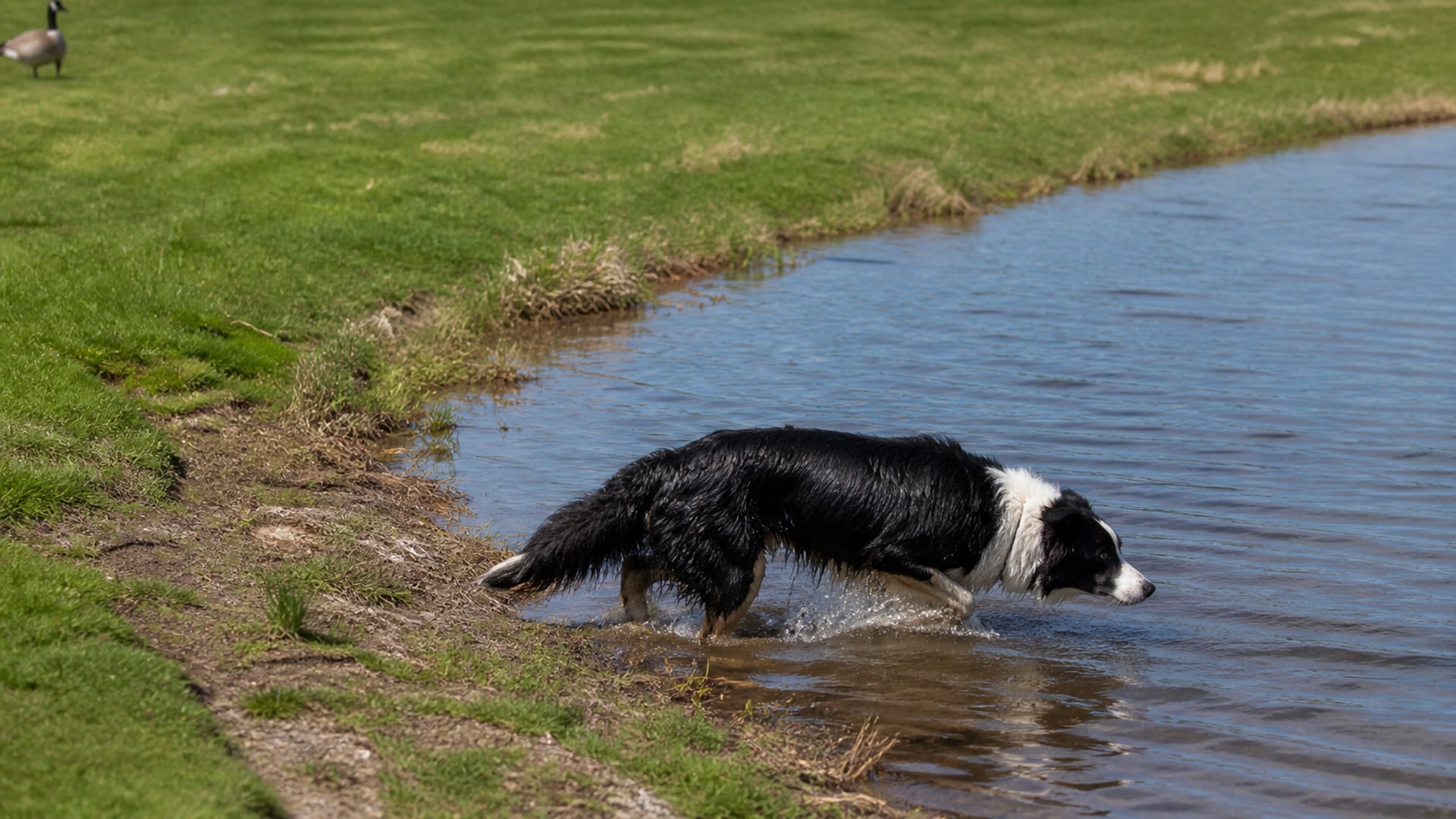
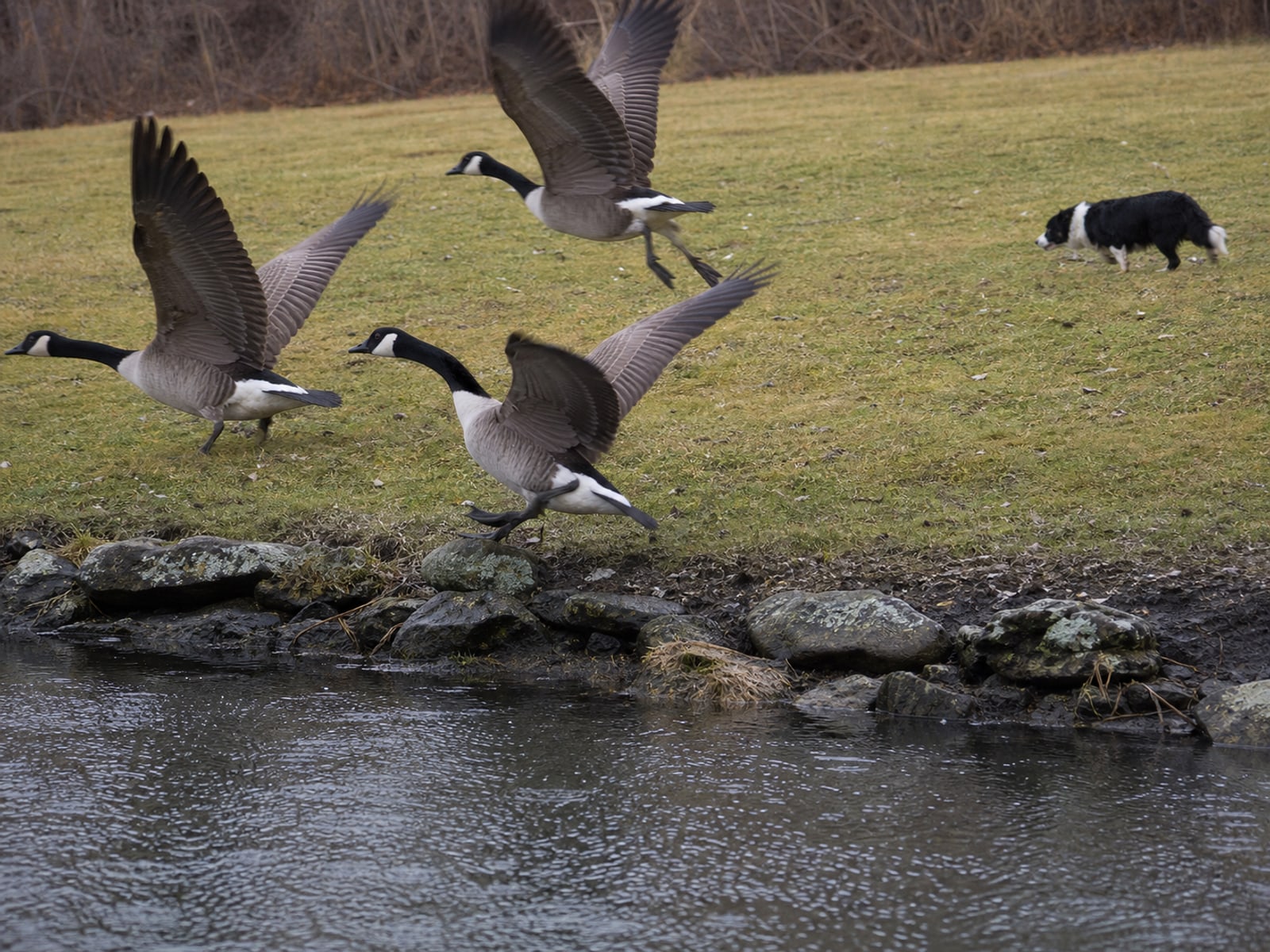
This is the uncomfortable part, and it is worth stating plainly because it explains why the problem keeps returning.
Connecticut DEEP lists airports directly among the habitats that attract Canada geese, alongside lawns, parks, golf courses, athletic fields, ponds, lakes, reservoirs, marshes and rivers. An airfield is a very large expanse of short mown grass with excellent sightlines in every direction and, frequently, drainage or retention water somewhere on or beside it.
That combination is not incidental to how airports are built. The grass is short because it has to be, the sightlines are open because they have to be, and the drainage exists because a large paved area has to put water somewhere. In other words, the site is doing exactly what an airfield is supposed to do and, from a goose's point of view, is close to ideal.
So airside goose management is rarely about removing an attractant, the way it can be on a corporate campus. It is about managing use of ground that cannot stop being what it is.
It also explains why habitat work airside looks different from habitat work anywhere else. On a campus you can let a strip grow at the water's edge and lose nothing. On an airfield, sightlines, drainage and surface requirements are safety constraints in their own right, so the available changes are narrower and have to be agreed with the people who own those constraints rather than proposed around them.