Most local pages in this line of work open by telling you the sky is falling. Windsor's own record does not support that, so this one will not.
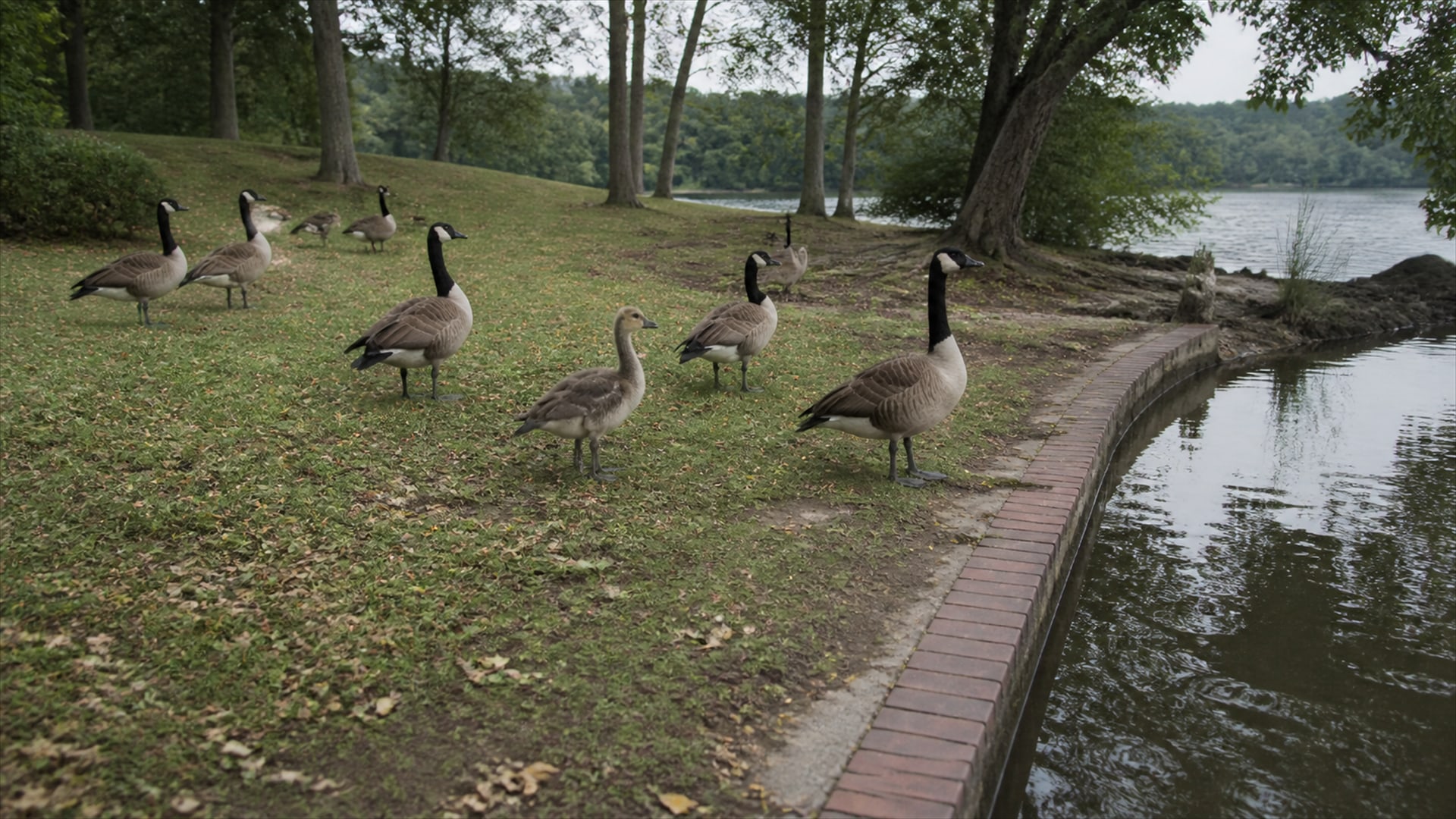
The town's 2017 Stormwater Management Plan states that congregation of waterfowl is not a significant problem in Windsor. It then does something sensible anyway: it commits the town to addressing waste deposition through public education, to monitoring future reports, and to considering targeted signage, and for municipal land it states that feeding geese or waterfowl is to be prohibited. The town still publishes a do-not-feed waterfowl pamphlet and links it from the current stormwater page.
There is a second piece of evidence pointing the same way. The adopted capital plan carries an unscheduled improvements project for Silver Birch Pond, between Prospect Hill Road, Lochview Drive and Silver Birch Lane, and its description notes that an earlier study looked at nonpoint pollution, invasive plants and the feeding of Canada geese, and reported that the pond did not show evidence of those effects at the time.
So a town that looked, at a named pond, and found the problem was not there. That is worth more to you than a scare, because it tells you what kind of provider to hire: one who assesses a specific property rather than one who assumes the whole town needs treating.
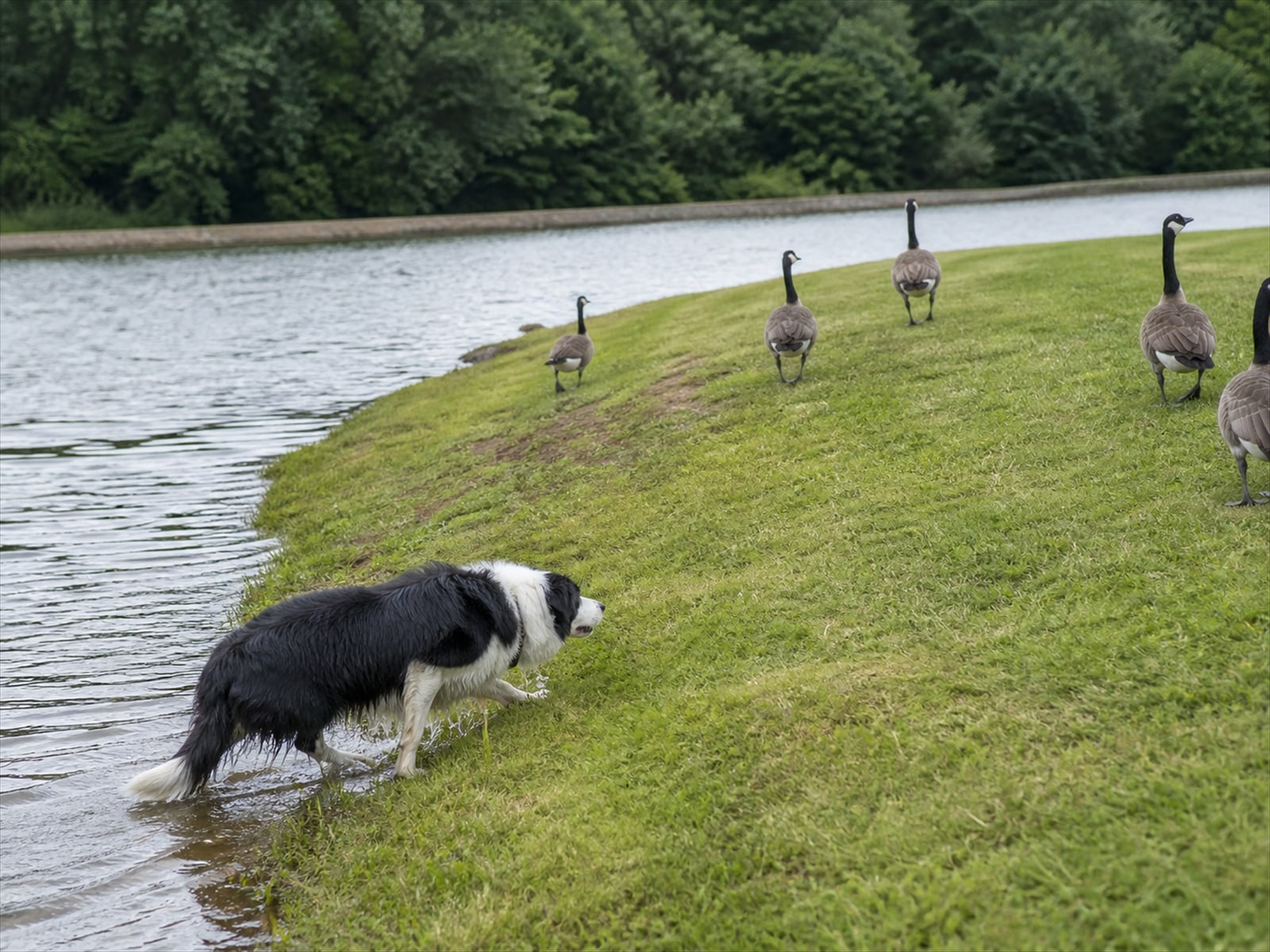
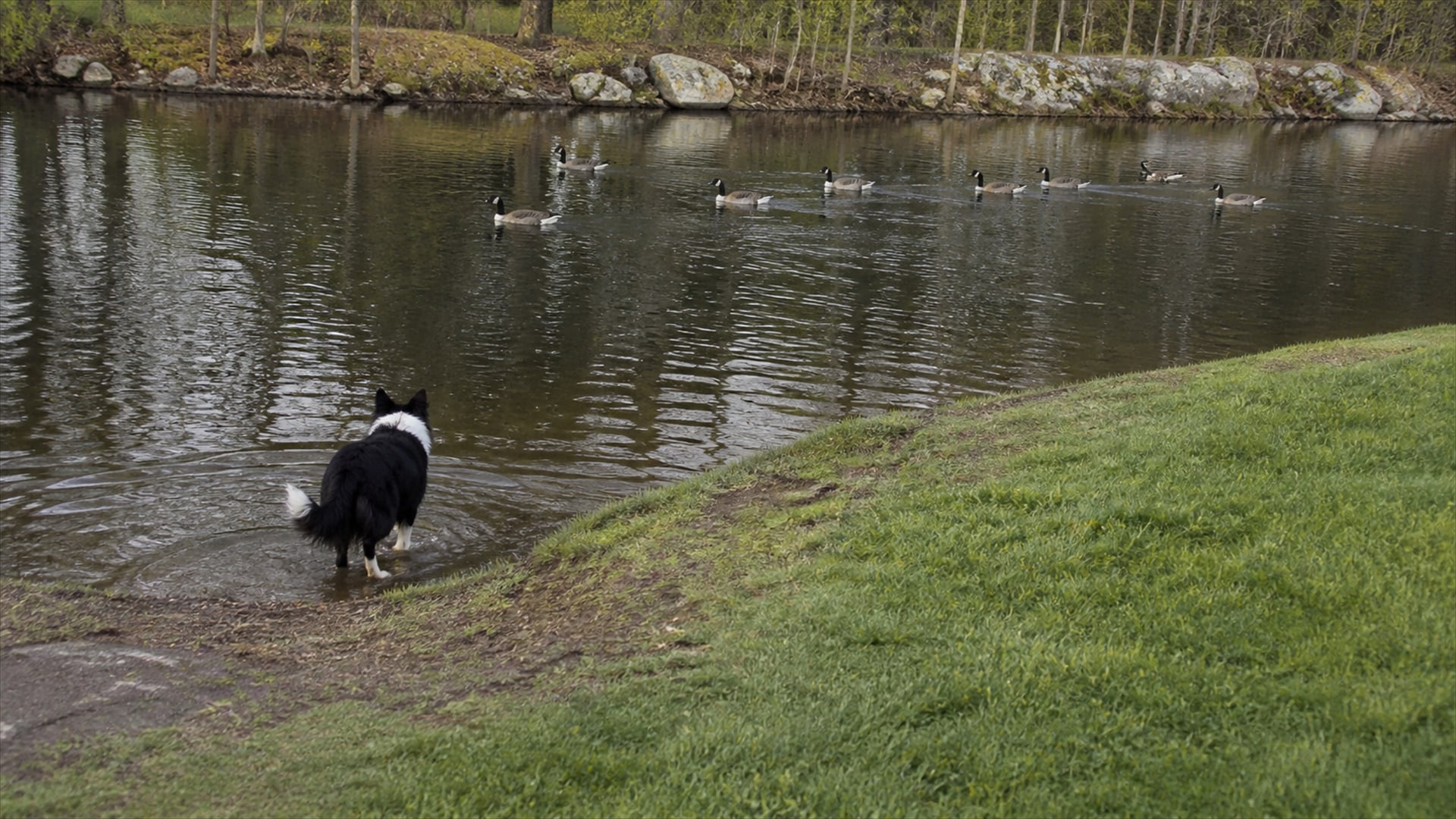
What we do is site-specific. If your ground has a flock on it, that is a real problem regardless of the town average, and it is fixable. If it does not, we would rather tell you so.
One more caution in the same spirit. Rainbow Reservoir has carried a cyanobacteria advisory, and no official source we can find attributes that bloom to Canada geese. Anybody using it as proof that geese are ruining Windsor's water is reaching well past the evidence.