This matters if you work for the town, and it is worth understanding precisely if you do not.
Section 189-3R of the parks chapter requires a dog on town property, including parks, public grounds, recreation facilities and school property, to be on a secure leash no longer than eight feet held continuously by a person, except in the designated dog park. Eight feet rather than the six most neighboring towns use, which is a small detail worth getting right.
The introductory language to section 189-3 then exempts town officials and employees performing their duties, independent contractors engaged by the town for the stated purpose, and activity otherwise permitted under park rules and ordinances.
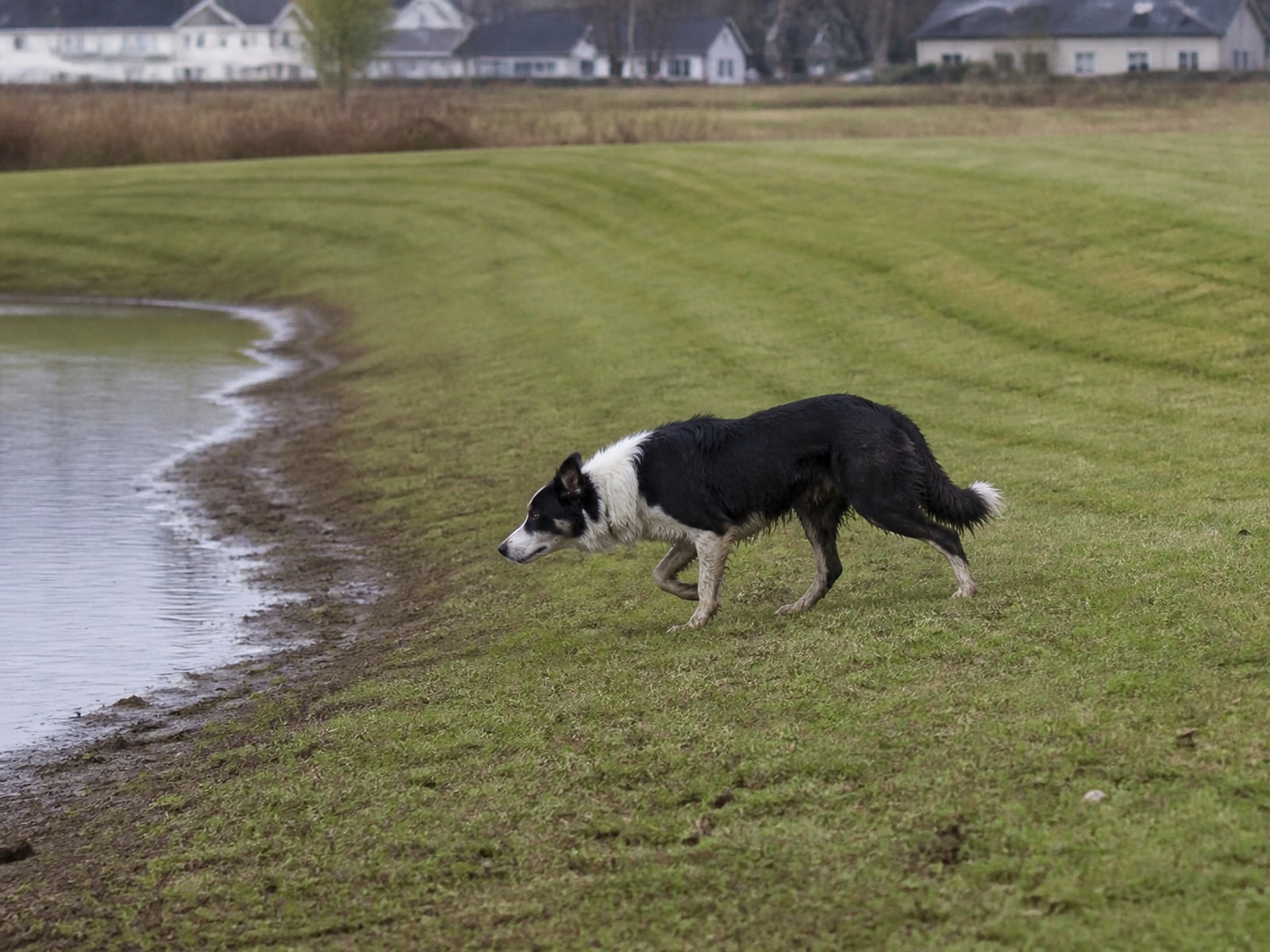
Read that carefully, because it cuts both ways. A private provider hired by a private property owner cannot assume a trained goose dog may work off leash on municipal land, and we would not claim otherwise. But where the town itself engages a contractor for the stated purpose, that contractor language may apply, and scope, dog control and site rules should be written into the authorization rather than left implied.
There is a second route as well. Section 189-5 gives the Parks and Recreation Director a permit mechanism for otherwise prohibited uses, which takes account of public enjoyment, health and safety, scheduling and damage to flora or fauna. That is a defined path with defined criteria, which is more than most towns offer.
One area to keep separate: Dinosaur State Park is state property with its own rule, generally a leash no longer than seven feet, and town permission does not reach it.