The body changed recently, which is worth knowing before somebody sends you to a commission that no longer holds the file.
Wetlands authority now sits with the Planning, Zoning and Inland Wetlands Commission, following a transfer effective July 1, 2025. If a provider or a contractor refers you to a standalone inland wetlands commission here, they are working from older information.
The town's 2026 screening map calls out 100 feet from wetlands and 200 feet from watercourses, subject to actual field conditions and soil identification. In a town with two rivers, five named brooks and a cove, those distances take in a lot of ground.
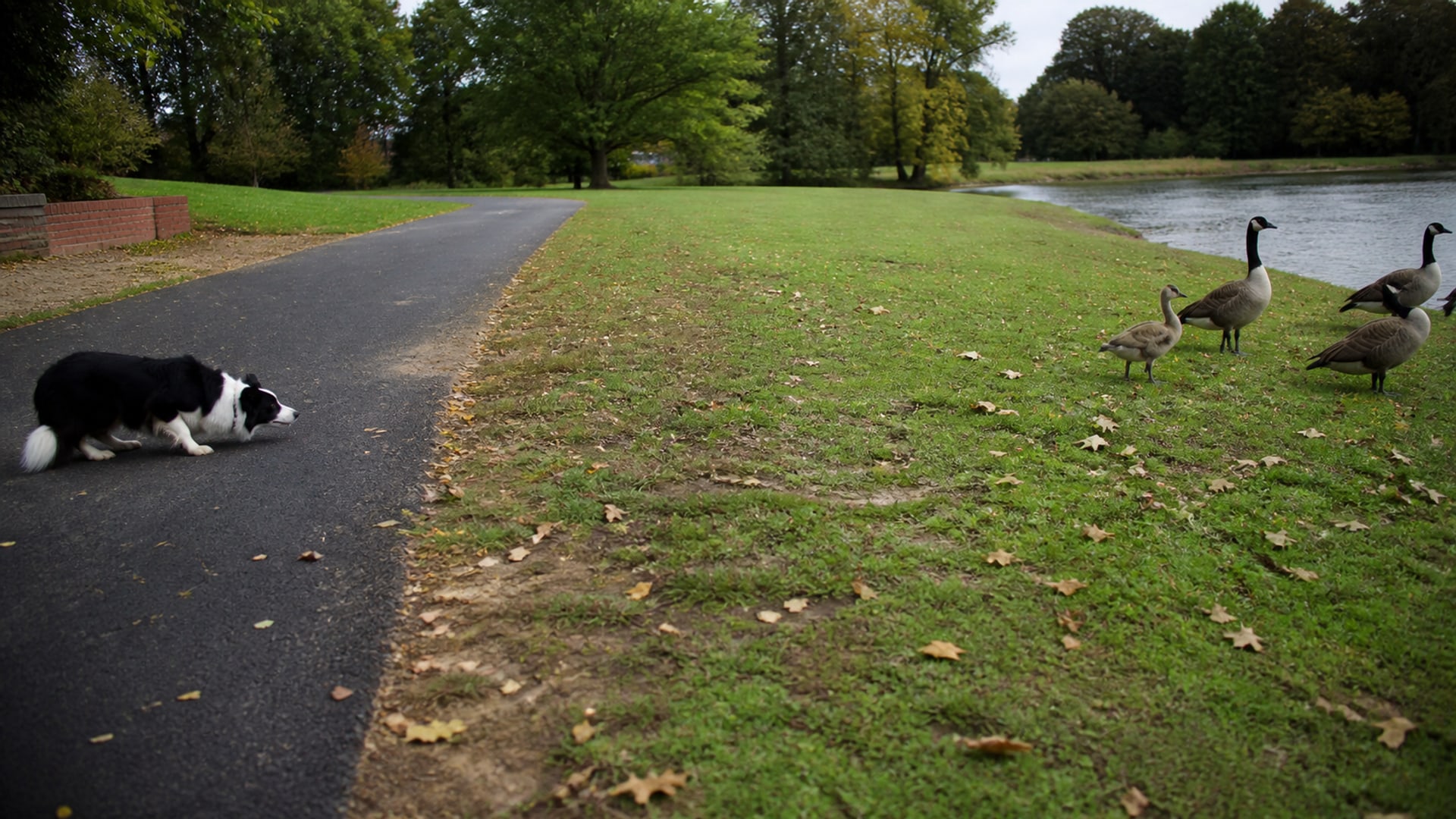
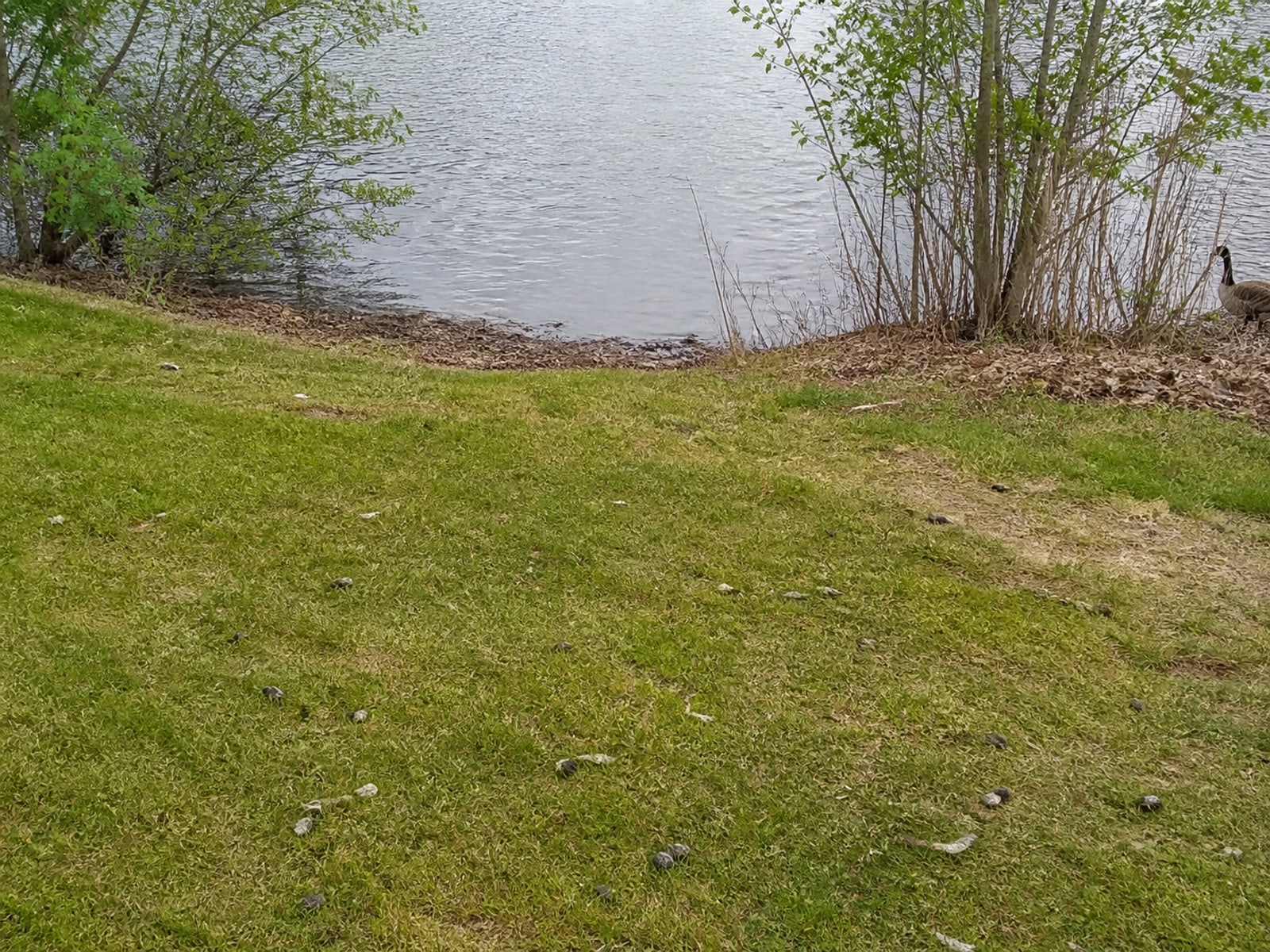
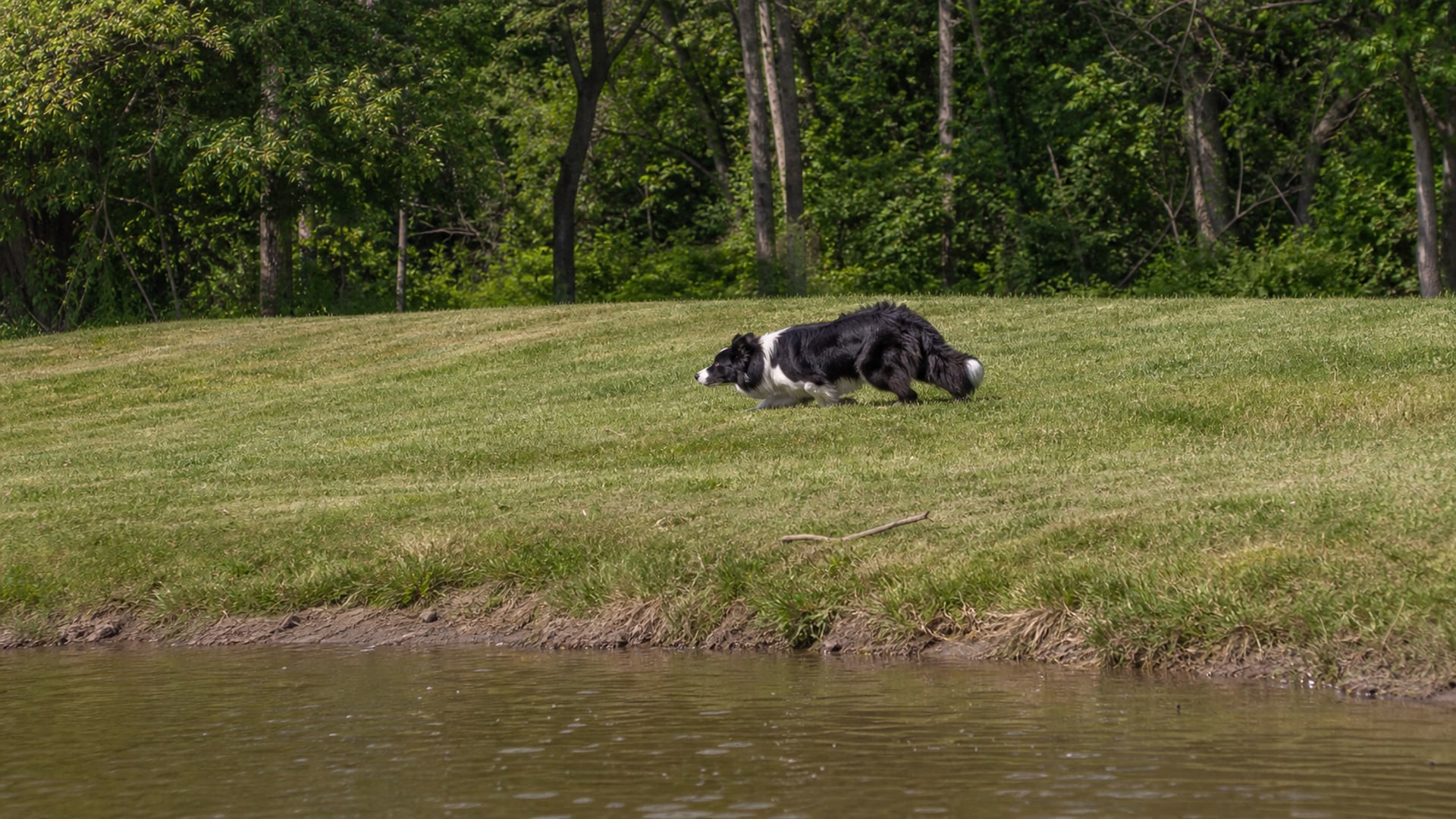
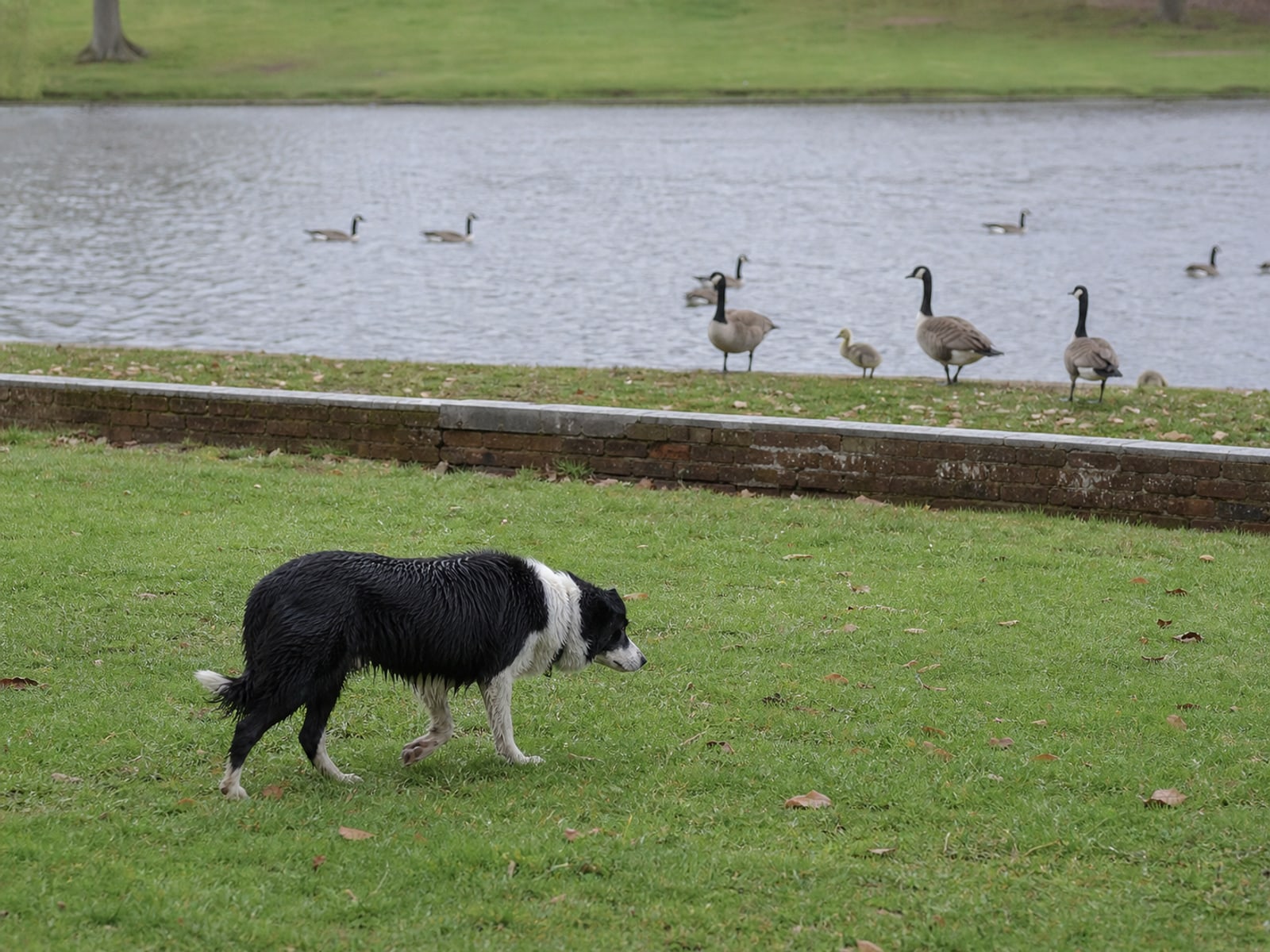
The distinction we draw everywhere applies here too, and it matters more in a place this wet. Moving birds off maintained turf with a dog is not a regulated activity. Planting a shoreline buffer, putting a barrier along a pond edge or regrading near a brook can be, and the commission decides that rather than a contractor.
One more East Hartford wrinkle: the town maintains flood control and levee infrastructure in the riverfront area, which means Engineering can be a stakeholder in what looks at first like a simple grounds project. On the water supply side, the Metropolitan District operates the public water and sewer systems, but its drinking water reservoirs are outside East Hartford, and the town's stormwater material classifies the Connecticut and Hockanum rivers as Class B surface waters rather than drinking water supplies. So riverfront review is real, and drinking-water watershed rules are not the reason for it.