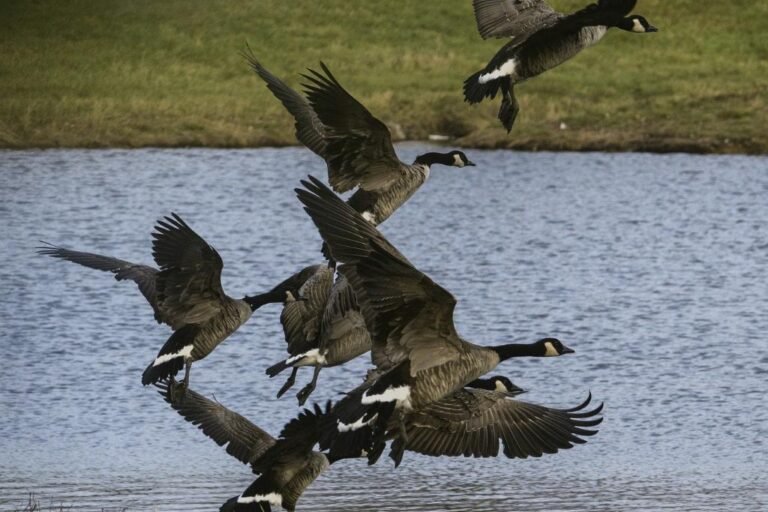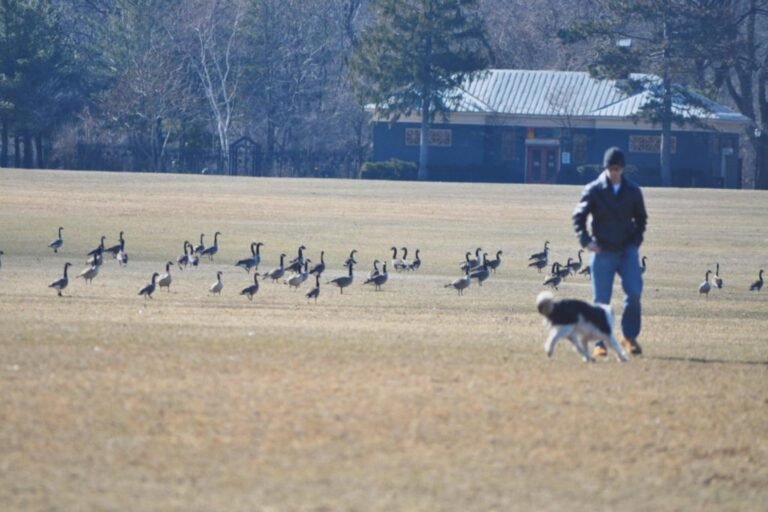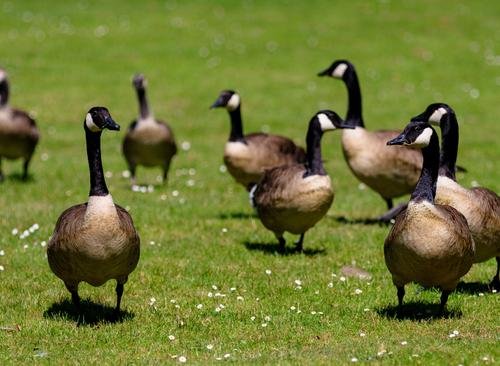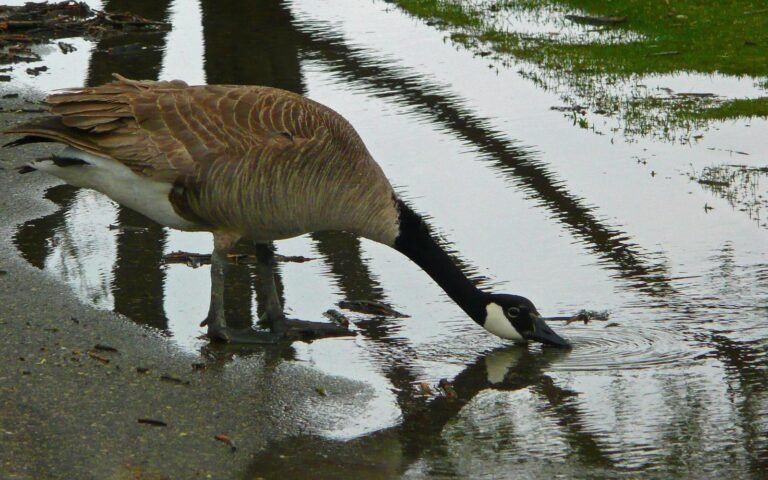
Have you ever watched a flock of Canada geese settle onto your lawn and wondered if they’d ever leave? Property owners across Connecticut and New York know this scene all too well: dozens of geese grazing on turf, leaving droppings across walkways, and returning season after season despite every attempt to shoo them away. The frustration grows when you realize these aren’t just passing migrants but resident flocks that can live 20+ years, raising generations of goslings on your property. Many owners worry that solving the problem means years of torn-up yards, constant disruption, and mounting costs with no guarantee of success. The reality proves more manageable: integrated non-lethal strategies combining habitat changes, hazing, and population controls can restore your property to normalcy within one to five years, following predictable phases that minimize yard damage. Understanding what to expect during each phase helps you prepare for the journey ahead without the anxiety of endless uncertainty.
Key Takeaways
- Control timelines span one to five years in CT and NY: Basic hazing and habitat modification can start providing relief within weeks, while full integration with nest management and roundups clears yards for the long term through consistent annual treatment.
- Habitat modification forms the backbone of lasting results: Growing tall grass and planting shrubs blocks feeding and loitering opportunities before the March nesting season begins, deterring geese without constant intervention.
- Hazing prevents habituation through variety: Rotating noisemakers, lasers, and trained border collies early in the process keeps geese alert, while securing permits ensures roundups proceed on schedule.
- Population controls deliver lasting reduction: Egg oiling combined with molt-period roundups can cut flock sizes by 50 to 90 percent, stabilizing numbers through compliance with USFWS regulations.
- CT and NY permits vary by property type: Agricultural depredation and municipal roundup permits process quickly under Public Act 03-192, but local zoning and nuisance ordinances may limit noise or firearm use.
- Maintenance ensures permanent relief: Quarterly monitoring prevents population rebounds, keeping your yard intact after the initial setup without ongoing major disruptions.
Understanding the Long-Term Goose Control Process in CT and NY
Professional goose management in the Northeast follows a logical sequence: modify habitat to make your property less attractive, deploy hazing techniques to reinforce the message, then implement population controls to prevent rebounds. This phased approach works because it addresses both the immediate problem (geese currently on your property) and the underlying conditions that attracted them in the first place. Connecticut and New York properties with ponds, maintained turf, and suburban development face unique challenges because local codes prioritize humane deterrence over one-time lethal solutions, requiring owners to think strategically about long-term success rather than quick fixes.
Spite laws and nuisance ordinances across the region can curb unpermitted noise from propane cannons or cracker shells, especially in residential zones. Wetland buffers and zoning restrictions may also limit where you can install fencing or deploy border collies for hazing. Understanding these regulations upfront prevents costly mistakes and ensures your control plan stays compliant from day one. Properties near protected wetlands or within homeowner association jurisdictions often require extra coordination with municipal officials before beginning any work.
Local Goose Environment and Process Needs
Resident Canada geese thrive on short grass and easy water access, which is why manicured lawns near ponds create ideal conditions for large flocks. Before beginning control efforts, conduct an initial survey to verify that your property allows access for trained dogs, egg oiling during the March through May nesting window, and any physical barriers you plan to install. Terrain features like steep slopes or dense tree cover can complicate deployment of certain methods, requiring adaptations to the standard playbook. Local ordinances may also dictate how close to property lines you can operate noisemakers or how many hours per day dogs can patrol, so checking these details early helps you build a realistic timeline.
Properties with multiple water features or extensive shoreline often need more intensive hazing schedules because geese can simply move from one pond to another when pressured. In these cases, coordinating with neighbors or joining community-wide programs amplifies your success by preventing displaced birds from settling next door and gradually returning to your property.
National vs. CT/NY Control Timelines
Across the United States, baseline goose deterrence programs using hazing and habitat modification typically show results within six to twelve months on properties with moderate pressure. However, the Northeast presents complications that can extend these timelines. Mild winters in Connecticut and New York allow resident flocks to remain year-round rather than migrating south, giving them more time to establish site loyalty and raise multiple generations of goslings. When geese can live 20-plus years and produce 50 or more offspring over their lifetime, isolated deterrence efforts struggle to keep pace with population growth.
Integrated plans that combine hazing with nest management and periodic roundups outperform single-method approaches by addressing both current population and future recruitment. While a simple hazing program might reduce droppings temporarily, geese often return within weeks once they realize no real threat exists. Adding egg oiling or molt captures into the mix creates sustained pressure that convinces flocks to relocate permanently.
Typical Timeline Ranges by Property Size
Small residential properties with lawns only and no ponds can achieve noticeable relief within six to twelve months nationally, but in CT and NY this often stretches to one to three years when nesting sites and roundups enter the equation. Full population declines require three to five years of consistent treatment to reduce flock sizes by 70 to 90 percent and maintain that reduction through ongoing monitoring. Larger properties with multiple ponds, community associations, or commercial uses can take even longer because coordinating permits, scheduling roundups, and treating all nesting sites demands more logistical planning.
The timeline also depends on starting conditions. Properties hosting flocks of 100 or more geese require more aggressive intervention than those dealing with a dozen birds. Similarly, sites where feeding has been widespread for years may see slower progress as geese have developed strong site attachment and learned to tolerate mild hazing.
Year-by-Year Breakdown Models
During the first year, expect to spend one to four weeks on habitat setup, installing fencing, adjusting landscaping, and deploying initial hazing tools. Noisemakers, visual barriers, and border collie patrols typically begin showing results within days as geese avoid the newly uncomfortable environment. However, this phase focuses on immediate deterrence rather than long-term population control, so you’ll still see some birds testing the boundaries or returning briefly before moving on.
Year two introduces nest management and potential roundups. By treating 80 percent or more of accessible nests with egg oiling, you prevent the current season’s goslings from reinforcing the population. If permits allow, scheduling a roundup during the June to July molt period captures and removes adult birds when they cannot fly, creating a sudden drop in flock size. This combination often delivers the most dramatic improvement in property conditions, with droppings and grazing damage declining noticeably within one season.
Years three through five focus on maintenance and final population adjustments. Quarterly monitoring verifies that flock counts remain low, while annual nest treatments prevent any rebounds. Some properties reach stable conditions by year three, while others with larger starting populations or extensive water features may need the full five years to achieve lasting relief. Throughout this period, yard disruption remains minimal since the heavy setup work concludes in year one.
Key Steps in the Goose Control Process
Each phase of goose control builds on the previous one to create sustainable solutions that protect lawns, ponds, and walkways while staying aligned with state and federal regulations. Skipping steps or implementing them out of sequence often leads to disappointing results, as geese quickly adapt to isolated tactics or find workarounds when pressure points aren’t layered effectively.
Site Assessment and Habitat Modification
Begin by prohibiting all feeding immediately, whether from intentional bird feeders or unintentional sources like outdoor pet food. Feeding sustains high goose densities and trains birds to associate your property with easy meals, making all other deterrence efforts less effective. Post signs if necessary to remind visitors and neighbors of the policy.
Next, adjust your landscaping to discourage loitering. Allow grass to grow 10 to 14 inches tall in areas where geese typically graze, or replace Kentucky bluegrass with tall fescue varieties that geese find less palatable. Planting shrubs like junipers or pachysandra along pond edges creates physical barriers that obstruct landing zones and reduce sightlines, making geese feel vulnerable to predators. These changes take effect over weeks to months as new growth fills in, but they require minimal ongoing maintenance once established.
For properties with water access, consider installing 30 to 60 inch welded wire fencing along shorelines where geese enter and exit. This doesn’t require permits in most cases, but verify local setback requirements and vision clearance rules if the fence runs near roads or walkways. Fencing works best when combined with other methods since determined geese can sometimes find gaps or alternative entry points if the barrier stands alone.
Hazing and Deterrence Deployment
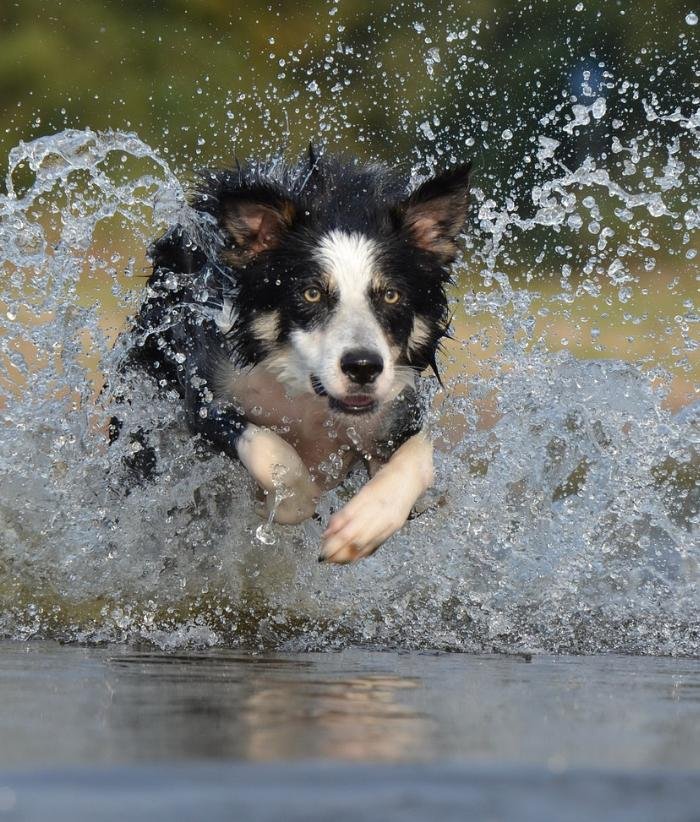
Once habitat modifications begin taking effect, layer in active hazing to reinforce the message that your property isn’t safe or welcoming. Rotate methods daily during the initial weeks to prevent habituation, using propane cannons or cracker shells in the early morning when geese first arrive, then switching to green lasers or Mylar tape later in the day. Dogs provide the most versatile option since border collies can patrol large areas and adapt their approach based on flock behavior, but they require professional training and consistent scheduling to remain effective.
Visual deterrents like reflective balloons or streamers offer low-cost options for smaller properties, though they lose effectiveness if left in the same position for too long. Moving them every few days maintains their novelty and keeps geese wary. Taste repellents such as Avian Migrate can bridge gaps between methods, creating temporary aversion to treated grass, but they need reapplication after rain and work best as part of a broader strategy rather than a standalone solution.
Hazing schedules typically start intense with daily patrols or activations, then taper to weekly or biweekly maintenance once flocks stop attempting to return. The timeline varies by property, but most programs can reduce active hazing to a few times per month by the second or third season if combined with nest management.
Nest and Population Management
Population controls begin during the spring nesting season, when USFWS eRCGR registration allows egg oiling from March through May. Treating 80 percent or more of nests with corn oil prevents hatching without removing eggs, keeping adult geese on their nests longer and delaying their awareness of reproductive failure. This method requires systematic searching of potential nesting sites, including islands, shorelines, and even rooftops on commercial properties.
Following nesting season, the June to July molt period offers a window for roundups under Public Act 03-192 in Connecticut or similar DEC permits in New York. During this time, adult geese cannot fly and can be herded into temporary enclosures for transport and processing. Roundups remove 50 to 90 percent of a property’s flock in a single event, with processed birds often donated for food distribution. The effects last two to three years before populations begin rebuilding, making periodic roundups necessary for long-term control on high-pressure sites.
Agricultural properties with $2,500 or more in annual income can apply for depredation permits that allow limited lethal take outside of traditional hunting seasons, providing another tool for addressing persistent problem flocks.
Additional Steps for Complex Properties
Properties with ponds, multiple owners, or proximity to conservation areas face additional challenges that require extra coordination and extended timelines. While basic residential lawns may achieve control in one to two years, complex sites often need three to five years to stabilize populations and prevent rebounds.
Handling Ponds, Zoning, and Neighbors
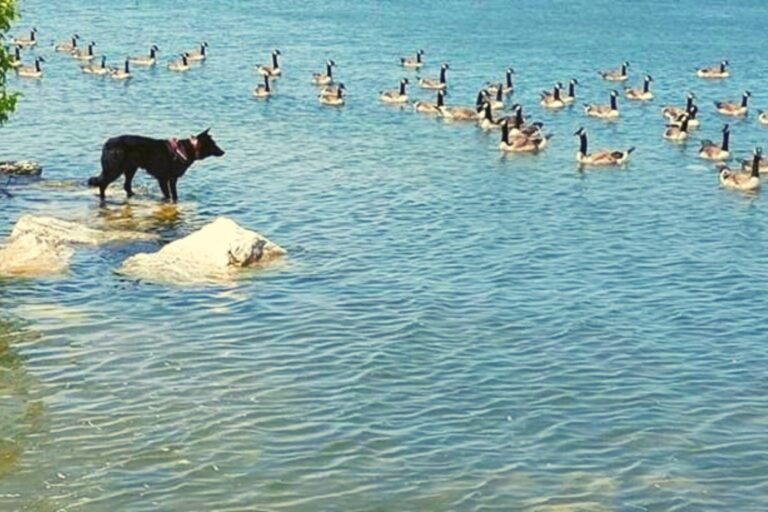
Water features attract geese year-round and provide safe resting areas where land-based hazing proves less effective. Laser patrols along shorelines at dawn and dusk can disrupt roosting patterns, while border collie sweeps during midday push birds off the water entirely. However, these tactics require daily commitment during peak months and may disturb neighbors if not scheduled carefully to comply with local nuisance ordinances.
Community-wide roundups in developments or parks spanning 75 acres or more create economies of scale, spreading permit costs and labor across multiple property owners while addressing the entire local population at once. Organizing these efforts takes additional time for meetings, cost-sharing agreements, and coordinating access, often adding one to two seasons to the overall timeline. However, the payoff comes in more complete population removal and reduced reinfestation from neighboring properties.
Zoning restrictions in suburban or urban areas may prohibit firearms, limit propane cannon hours, or require buffers around schools and residences. Planning your hazing schedule around these constraints prevents compliance issues while still maintaining effective pressure on geese.
Monitoring and Reinforcement
Quarterly flock counts during the active control period verify that populations trend downward and identify any rebounds before they become established. Reseed grazed turf in spring and fall to repair damage and restore healthy grass growth that’s less attractive to geese. Regular debris cleanup around ponds and walkways prevents accumulation of droppings that could trigger neighbor complaints or municipal code violations.
If monitoring reveals population increases despite ongoing control, reassess your methods for gaps. Are some nests being missed during oiling? Has feeding resumed through unofficial sources? Are neighboring properties inadvertently providing refuge? Adjusting your approach based on real-time data keeps the program on track toward long-term success.
Permits, Regulations, and Coordination in CT and NY
Federal protections under the Migratory Bird Treaty Act require USFWS authorization for any nest manipulation or take of Canada geese, making pre-action compliance essential to avoid fines or legal complications. State agencies in Connecticut and New York oversee permit distribution and coordinate with federal authorities to ensure local programs meet national standards.
Permitting and Agency Coordination
Connecticut DEEP manages agricultural depredation permits for farms with $2,500 or more in annual income, processing applications within 10 to 30 days depending on complexity. Municipal roundup permits under Public Act 03-192 follow similar timelines and require detailed plans showing capture methods, processing locations, and donation arrangements for harvested birds.
Before starting any work that involves ground disturbance for fencing or landscaping, contact utility locator services similar to 811 call-before-you-dig programs to identify buried lines. Wetland permits may also apply if your property borders protected water bodies or falls within regulated buffer zones, adding weeks to the approval process.
New York’s DEC coordinates closely with USDA Wildlife Services for nuisance permits, particularly on larger commercial properties or public lands. Local firearm and noise ordinances must be verified before deploying propane cannons or cracker shells, as violations can result in fines and permit revocation.
Spite laws and nuisance wildlife controls under Connecticut Statute 26-47 mandate that only licensed operators handle non-rabies species for commercial or community programs, ensuring humane treatment and regulatory compliance. Hiring certified professionals for roundups or intensive hazing campaigns helps property owners avoid legal pitfalls while achieving better results.
What Property Owners Should Prepare For and Do
Understanding what happens during each phase helps you prepare your property, coordinate with professionals, and minimize disruptions to your daily routine. While the process involves multiple steps, most yard impacts concentrate in the first few weeks when habitat changes and initial hazing setups occur.
Expectations During Control Phases
Week one typically involves the most noticeable activity: installing fencing, adjusting landscaping, and beginning daily hazing patrols with noisemakers or dogs. You may need to restrict access to certain areas during setup or coordinate schedules with contractors handling turf adjustments. Once initial deployments finish, ongoing hazing requires less frequent intervention and creates fewer interruptions.
Approve habitat modification plans before work begins to ensure grass heights, shrub placements, and fencing locations meet both goose control objectives and your aesthetic preferences. Final flock checks after roundups or nesting season verify that population targets have been met and identify any remaining hot spots needing attention.
Tips to Minimize Yard Disruptions
Remove all bird feeders, outdoor pet food, and other attractants at least two weeks before hazing begins. This gives geese time to adjust to the absence of supplemental food sources and makes deterrence methods more effective. Secure pets indoors or in designated areas during border collie patrols to prevent conflicts between working dogs and household animals.
Schedule major habitat changes and roundups outside of nesting season when possible to avoid disturbing active nests or complicating permit requirements. If work must occur during spring, coordinate closely with your control operator to handle any incidental nest encounters legally.
Inform neighbors about your control program before it starts, explaining the methods being used and expected timelines. This proactive communication reduces complaints about noise, dog activity, or temporary fencing and can even encourage neighbors to join coordinated efforts that benefit the entire area.
Process Comparison Table: Simple vs. Complex Goose Control in CT/NY
| Phase | Simple Property (Lawn Only) | Complex Property (Pond/Community) |
|---|---|---|
| Habitat/Hazing Setup | 1-2 weeks | 1 month with buffers |
| Nest/Roundup Execution | 1 season, annual maintenance | 2 seasons coordinated |
| Population Decline | 1-2 years | 3-5 years sustained |
| Total Timeline | 1-3 years | 3-5+ years |
Common Mistakes Property Owners Make During Goose Control
Secret feeding by well-meaning neighbors or household members undermines even the most comprehensive control programs. A single person tossing bread to geese can sustain an entire flock and teach them to ignore hazing efforts, extending your timeline by months or years. Clear communication with everyone who accesses your property prevents these sabotage situations.
Skipping method rotation during hazing leads to rapid habituation, where geese learn that noisemakers pose no real threat and begin ignoring them within days. Varying tactics and timing keeps birds alert and reinforces the message that your property isn’t safe. Professional operators understand these patterns and adjust schedules proactively.
Failing to secure required permits before nest oiling or roundups can result in federal fines, state penalties, and immediate shutdown of your control program. The permitting process takes time but provides legal protection and ensures your methods meet humane standards. Starting applications months before the planned work date prevents rushed decisions or missed deadlines.
Ignoring active nests during habitat modification or hazing can create legal complications under the Migratory Bird Treaty Act, which protects nests containing eggs or young birds. If you discover nests after control work begins, pause the program and consult with your operator or state wildlife agency about compliant next steps rather than proceeding blindly.
Preparing Your Property for Long-Term Goose Control in CT/NY
Begin preparations at least two to three months before your target start date, especially if your program includes spring nest management or summer roundups. Early coordination with DEEP in Connecticut or DEC in New York ensures permit applications process in time and identifies any regulatory issues specific to your location.
Trim back overgrown vegetation that provides nesting cover near water features, but avoid clearing during active nesting season when eggs or goslings might be present. Survey ponds and shorelines to identify all potential nesting sites, including islands, docks, and structures where geese might hide nests. Documenting these locations upfront helps control operators plan thorough oiling coverage.
Check local setback requirements for fencing, noise restrictions for hazing devices, and any homeowner association rules that might affect your control methods. Resolving these administrative details before work begins prevents costly retrofits or delays later in the program.
Frequently Asked Questions About Long-Term Goose Control Process in CT/NY
Q: What is the typical long-term goose control process?
A: The process combines habitat modification, active hazing with noisemakers or dogs, nest management through egg oiling, and population reduction via roundups or depredation permits. Most residential properties complete the sequence in one to five years depending on starting flock size and property complexity.
Q: How long until my yard recovers from geese?
A: Relief from droppings and grazing damage begins within weeks of starting hazing, but full turf recovery and stable goose-free conditions typically require one to two seasons with integrated control methods that address both current birds and future recruitment.
Q: Are permits required for goose control in my area?
A: Yes, Connecticut DEEP requires permits for nest oiling and roundups, while New York DEC oversees similar authorizations coordinated with USFWS. Agricultural depredation permits, municipal roundup approvals, and federal nest registrations each have specific application processes and timelines.
Q: What should I expect in the first month?
A: The first month focuses on habitat modifications like adjusting grass heights and installing fencing, plus initial hazing deployment with noisemakers or border collies. You won’t see heavy population removals yet, but geese often begin avoiding treated areas within days as conditions become uncomfortable.
Q: How can I prepare my yard for goose control?
A: Ban all feeding sources immediately, secure outdoor pets during scheduled patrols, trim vegetation that provides nesting cover, and coordinate with neighbors about upcoming control activities. Early communication with your control operator about property-specific challenges ensures the plan addresses your situation effectively.
Final Thoughts
Long-term goose control in Connecticut and New York succeeds through integrated strategies that combine habitat modification, consistent hazing, and population management across one to five years. Property owners can expect significant relief from droppings and turf damage within the first season as hazing and landscape changes take effect, with sustained results emerging as nest treatments and roundups reduce flock sizes by 50 to 90 percent. The phased approach minimizes yard disruption by concentrating setup work in the first few weeks, then transitioning to maintenance schedules that preserve your property’s appearance while preventing goose returns. Understanding state permit requirements, local zoning restrictions, and the benefits of coordinated community efforts helps you avoid common pitfalls and build a compliant program that delivers lasting value.
Investing in professional goose control protects your property value, eliminates health hazards from droppings, and restores outdoor spaces for safe enjoyment. The long-term nature of these programs provides permanent solutions rather than temporary fixes, giving you confidence that the problem won’t simply reset each spring when goslings hatch. Well-executed control creates clean walkways, healthy lawns, and clear ponds that remain goose-free season after season with minimal ongoing effort.
Tri State Geese Patrol brings over 11 years of experience managing Canada geese across Connecticut, Massachusetts, and New York using professionally trained border collies and integrated control strategies tailored to your property’s specific needs. Our team understands Northeast regulations, zoning challenges, and seasonal patterns that affect resident flocks, delivering humane and cost-effective solutions whether you’re dealing with a small residential lawn or a large commercial waterfront. We handle permit coordination, nest management, hazing deployments, and ongoing monitoring to ensure your control program stays compliant and effective throughout the entire timeline. Contact Tri State Geese Patrol today to schedule a property assessment and start your journey toward lasting goose-free conditions with experts who prioritize both results and environmental stewardship.