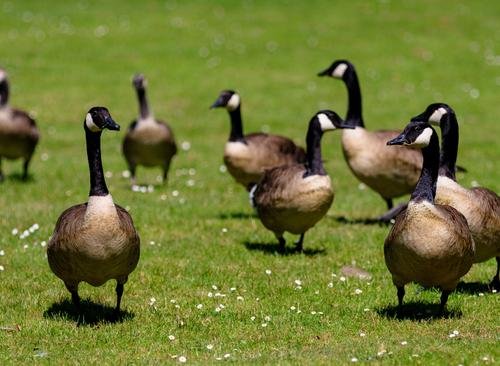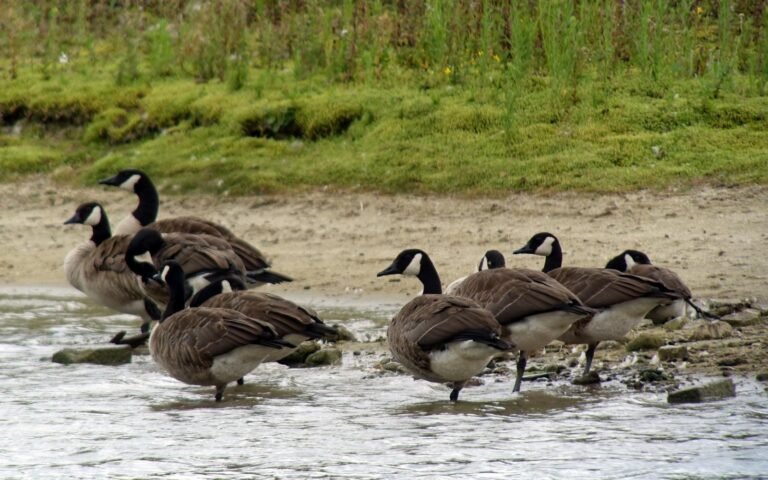
You’ve noticed the telltale signs: grass clipped to the nub, droppings coating your lawn, and a flock of Canada geese treating your waterfront property like an all-inclusive resort. When CT and NY property owners reach out for goose removal services, their first question isn’t usually about cost or methods. It’s simpler and more practical: “How long will my yard be unusable?” The good news? Professional humane removal typically takes 1-4 weeks, with most of that time involving light hazing sessions rather than invasive digging or construction.
Unlike pest control jobs that gut your landscaping, these services use trained dogs, strategic barriers, and timing around the geese’s natural molt cycle to encourage flocks to relocate without tearing up your property. The process adapts to Northeast challenges like wetlands buffers, zoning restrictions on fence heights, and the June-July flightless period when geese can’t escape. Whether you’re managing a small lawn or a complex pond system, understanding each phase helps you plan around minimal disruption while reclaiming your outdoor space.
Key Takeaways
- Simple hazing jobs wrap up in 1-2 weeks: Border collie sessions and laser deterrents work quickly on small lawns, while properties with wetlands or active nesting may extend to 4 weeks due to regulatory buffers and phased approaches.
- Non-lethal methods avoid yard damage: Dogs, lasers, and 30-inch fencing displace flocks during the 4-6 week molt without requiring deep posts or major excavation, keeping your lawn intact throughout.
- Early preparation prevents repeat visits: Securing egg addling permits through CT DEEP or NY DEC and conducting habitat surveys in early spring identify nesting sites before they multiply.
- Timing matters for efficiency: Flightless round-ups during June-July molt cycles offer the fastest results, while self-latching barriers installed during this window remain effective year-round.
- Permits process quickly in most cases: Free online registration with DEEP or DEC takes 1-2 days for egg/nest work, and low barriers rarely trigger building permits unless near wetlands.
- Full-service packages include restoration: Professional teams handle flock relocation, debris cleanup, and grass overseeding as standard practice, leaving your property better than they found it.
Understanding the Goose Removal Process in CT and NY
Professional services in Connecticut and New York follow a predictable sequence shaped by regional factors that other parts of the country don’t face. Properties with pond edges, sloping lawns, and proximity to protected wetlands require approaches that balance state non-lethal mandates with practical terrain challenges. Spite laws governing fence heights near property lines, frost-stable installation requirements for barriers, and mandatory 75-150 foot wetland buffers all influence method selection and timeline. These aren’t just bureaucratic hoops. They reflect decades of wildlife management research showing that humane deterrence works better than relocation when you account for local goose behavior patterns.
Local Goose Environment and Process Needs
Canada geese prefer short-cut grass near water with clear sightlines for predator detection. Your typical Northeast residential pond or HOA lake offers exactly this setup, which is why geese return year after year despite homeowner frustration. The removal process starts with a site survey identifying how many geese use the property, where they nest, and what natural features attract them. This initial visit also verifies zoning compliance for any barriers before hazing begins. Properties with steep slopes to the water’s edge need terraced fencing approaches, while flat lawns allow simpler perimeter installations. Access points matter too. If dogs can’t reach the water easily, hazing takes longer and may require temporary pathways.
CT and NY regulations protect resident Canada geese as migratory birds, so all egg, nest, or take actions require federal and state coordination. Your service provider handles this paperwork, but understanding the framework prevents surprises. The process adapts constantly based on what geese do during treatment. If hazing pushes the flock to a neighbor’s pond, teams adjust tactics to prevent simple displacement rather than true deterrence.
National vs. CT/NY Removal Timelines
If you’ve researched goose removal online, you’ve probably seen claims of “weekend solutions” or “instant results.” Those timelines rarely account for Northeast-specific factors like the 4-6 week molt period when geese lose flight feathers and become more territorial, or the March-August nesting window when egg work requires careful permit timing. National averages assume year-round flight capability and minimal regulatory oversight. CT and NY properties face neither condition.
Typical Timeline Ranges by Property Size
Small residential lawns under half an acre with no active nests often see results in 1-2 weeks. Teams visit daily for 60-90 minute hazing sessions using dogs or lasers, install temporary barriers if needed, and monitor for returns. Once geese stop landing for three consecutive days, the job transitions to maintenance monitoring. Mid-size properties with ponds or multiple water features average 2-3 weeks, factoring in time to rotate hazing methods and ensure geese don’t just shift to another section of your property. Large commercial sites or properties with wetlands complications can extend to 4 weeks, especially if spring surveys reveal active nests requiring egg addling permits before displacement begins.
Day-by-Day Breakdown Models
Week one focuses on assessment and initial deterrence. Day 1 involves a thorough property walk identifying nest sites, preferred landing zones, and potential barrier placements. Days 2-7 feature daily hazing sessions, typically early morning when geese are most active. If teams find nests, permit applications go to CT DEEP or NY DEC during this week, causing a brief pause until approval arrives. Week two ramps up pressure. Barriers go up along water edges using shallow posts that don’t disturb root systems. Hazing continues with varied methods to prevent habituation. If the molt window hits during treatment, flightless geese become easier to move but also more stubborn about leaving, requiring persistent daily work.
Weeks three and four handle monitoring and cleanup. Geese that fled may attempt returns, triggering short reinforcement sessions. Teams remove temporary installations, overseed any bare patches from heavy goose traffic, and conduct final property walks. Larger sites with multiple ponds or wetland regulations stretch this phase as each zone needs individual attention before the all-clear.
Key Steps in the Goose Removal Process
Every humane removal job follows core phases designed to displace geese while keeping your property functional. Unlike invasive wildlife control that might involve trapping or habitat destruction, these steps work with goose behavior patterns rather than against them. Methods combine hazing, barriers, and habitat modifications in sequences proven effective across thousands of Northeast properties.
Site Preparation and Layout
Professional teams start by marking utility-free zones, though goose work rarely requires the deep digging that triggers Call 811 notifications. Nest locates happen in early spring using visual surveys and sometimes drone footage for large properties. Stakes mark water edges where barriers will install, and teams verify zoning setbacks from property lines and required vision clearances near roads. This prep work takes half a day to a full day depending on property complexity. You won’t notice much activity beyond people walking your lawn with clipboards and measuring tapes.
Wetland buffers in CT and NY require extra documentation proving that barrier installations won’t cause erosion or alter water flow. If your property falls within 75-150 feet of protected wetlands, expect site prep to include soil stabilization plans that add 2-3 days to initial timelines. The work itself remains non-invasive, focusing on shallow post placements and erosion fabric where needed.
Hazing and Barrier Setup
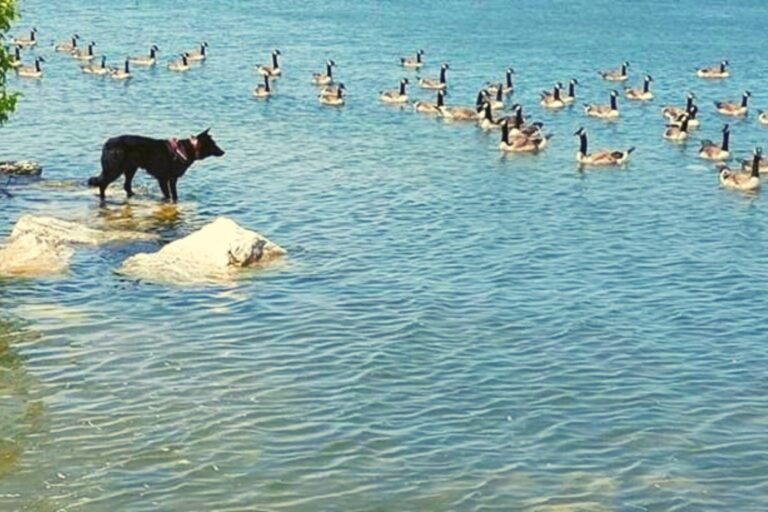
Hazing creates an unwelcome environment through repeated disturbance. Border collies trained specifically for goose work naturally trigger the birds’ predator response, causing them to flush and relocate. Dogs never harm geese, they simply make the area uncomfortable through their presence and herding behavior. Laser deterrents use focused beams that geese perceive as physical threats, especially effective at dawn and dusk. Noise methods like propane cannons or cracker shells work on large commercial properties but face restrictions in residential areas.
Most services rotate hazing methods every 3-4 days because geese adapt quickly to single approaches. Your morning might start with border collie sessions, switch to laser work by evening, and incorporate visual deterrents like Mylar tape between active sessions. This rotation prevents habituation while maintaining pressure that encourages relocation. Each method session lasts 1-2 hours with minimal property impact. Dogs stay on lead or work within fenced sections, lasers operate from property edges, and noise happens during approved hours.
Barriers use 30-inch plastic netting or coated wire fencing along water-to-lawn transitions. Posts go into the ground 6-12 inches, far shallower than typical fence installations. The height prevents geese from walking under or easily hopping over, particularly effective during molt when they can’t fly over obstacles. Installation takes a day for typical residential ponds, two days for complex waterfront properties. Barriers come down after molt ends or once geese establish new habits away from your property.
Nest/Egg and Molt Actions
Spring brings nesting activity that requires careful handling. CT DEEP offers free agricultural depredation permits for egg oiling or nest removal between March 1 and August 31, while NY DEC uses online registration for similar work. Egg addling involves coating eggs with food-grade corn oil that blocks oxygen exchange, preventing hatching without removing the eggs. Geese continue sitting on treated eggs for weeks, wasting the breeding cycle. This method sounds harsh but prevents population growth that would make future removal harder. Permit approval takes 1-2 business days online, and the actual egg treatment happens in a single visit lasting an hour or two per property.
Molt round-ups occur during the June-July flightless period when geese physically cannot escape. Teams coordinate with state wildlife agencies to relocate flocks to approved areas away from residential or commercial zones. This requires more intensive permitting than egg work, typically reserved for properties with large resident populations that resist standard hazing. The process involves herding flightless geese into temporary pens, transporting them in specialized trailers, and releasing them at designated sites. Your property sees the most activity during this phase, with crews on-site for 3-6 hours depending on flock size.
Additional Steps for Complex Removals
Not all properties fit the simple lawn-and-pond template. Northeast terrain, pool installations, and environmental protections add layers that extend timelines and require specialized approaches. Full-service providers adapt their methods rather than forcing a one-size-fits-all solution onto incompatible sites.
Handling Slopes, Pools, and Wetlands
Steep slopes prevent standard barrier installations because posts won’t hold in unstable soil. Teams use terraced fencing that steps down the hillside, anchoring at multiple levels to maintain the 30-inch deterrent height. This takes longer to install and costs more in materials, but it’s the only reliable method for properties where water sits at the base of a 20-30 degree grade. Installations on slopes add 1-2 weeks to overall timelines due to careful measurement and reinforcement requirements.
Properties with pools face unique challenges because geese view chlorinated water as safe from aquatic predators. Standard pool fencing helps, but geese squeeze through 4-inch gaps or land inside enclosures left open during use. Unclimbable barriers with self-latching gates become necessary, mirroring pool safety codes already familiar to CT and NY homeowners. This overlap means installations rarely trigger additional permits, but the precision work adds 3-5 days to barrier phases.
Wetland properties within protected buffer zones need erosion controls like silt fencing and biodegradable fabric to prevent runoff during and after barrier installation. State regulations require these measures within 75-150 feet of water bodies classified as wetlands or tributaries. Your service provider coordinates with local conservation districts to ensure compliance, adding paperwork time but protecting your property from future violations. The physical installation work remains similar to non-wetland sites, but documentation and inspection steps extend the process by 1-2 weeks.
Finishing Touches and Lawn Restoration
Once geese relocate, properties need cleanup and repair to erase signs of the infestation. Teams remove temporary fencing, pulling posts carefully to avoid leaving holes that collect water or trip hazards. Bare patches from heavy goose traffic get overseeded with tall fescue or ryegrass blends suited to Northeast growing conditions. Spring and fall offer the best germination windows, with new grass visible in 2-3 weeks. Summer overseeding works but needs consistent watering during establishment.
Debris cleanup focuses on droppings concentrated near former landing zones. Professional teams bag and remove waste rather than spreading it across lawns where nutrient overload causes grass burn. This final phase takes a day for small properties, two days for large sites with multiple treatment zones. You’re left with a property that looks better than before geese arrived, with improved grass health and clear water edges that discourage future returns.
Permits, Regulations, and Coordination in CT and NY
Legal compliance isn’t optional when dealing with federally protected migratory birds. Canada geese fall under the Migratory Bird Treaty Act, which means both federal and state authorities regulate any actions affecting them. This framework ensures humane treatment while giving property owners legitimate tools to address damage. Your service provider handles most paperwork, but understanding the requirements prevents delays caused by missing documentation.
Zoning and Permit Coordination
CT DEEP offers free online registration for egg and nest work, processing most applications within 1-2 business days. Agricultural depredation permits require proof of income from farming or commercial agriculture, though some residential properties qualify if they lease land for hay production or similar use. NY DEC follows parallel processes with online portals that streamline non-lethal method approval. Both states require annual renewal for ongoing management, not just single-event permits.
Building permits for barriers depend on height and permanence. Temporary installations under 36 inches rarely trigger local building codes, but permanent fencing near property lines may require variance approval if spite laws limit heights. Wetland sites need additional conservation district sign-off before any ground disturbance. These extra permits add 3-7 days to timelines when applicable, but most residential goose work avoids these complications through careful method selection.
Professional services maintain relationships with state wildlife agencies and local conservation officers, smoothing approval processes that might confuse individual property owners. They know which methods require permits, which fall under general allowances, and how to document work for compliance audits. This coordination happens behind the scenes while you continue normal property use.
What Property Owners Should Prepare For and Do
Your role during removal affects both timeline and success rate. While professional teams handle the technical work, property owners who prepare properly see faster results with fewer disruptions. Simple steps before work begins and cooperation during active phases make the difference between a smooth 2-week job and a stretched 4-week slog.
Daily Expectations During Removal
Early mornings bring the most activity because geese feed heavily at dawn and are most responsive to hazing then. Expect to hear dogs barking or see technicians with lasers near your water’s edge between 6:00-8:00 AM during week one. This noise level stays below typical neighborhood disturbance thresholds but may wake light sleepers. Afternoon sessions happen less frequently, usually to reinforce morning work or address geese that returned during the day.
Water access becomes temporarily limited during active phases. If you swim, fish, or kayak from the treatment area, teams will ask you to avoid these spots during hazing hours. The restriction lasts 1-2 weeks at most, covering the period when geese need consistent pressure to relocate. Outside active hazing times, you can use your property normally. Barriers don’t block human access but do require careful stepping over or opening gates rather than casual waterfront walks.
Nest work requires property owner presence for permit verification. State agencies want confirmation that the right property receives treatment and that landowners consent to egg addling. You’ll need to walk with technicians to nest sites, which takes 20-30 minutes. The actual treatment happens quickly, but this consultation step prevents permit violations and ensures proper documentation.
Final flock checks need your availability for a walkthrough confirming geese haven’t returned and restoration work meets expectations. This happens at the end of week two or four depending on property complexity. Plan for 30 minutes to walk the property, discuss any remaining concerns, and approve the completed work.
Tips to Minimize Disruptions
Tall grass makes geese uncomfortable because it blocks their sightline to predators. If your lawn typically stays mowed at 3 inches, let it grow to 12-15 inches in the weeks before removal starts. This pre-work doesn’t require professional help and immediately makes your property less attractive to geese. Combining tall grass with other methods accelerates results by attacking multiple comfort factors simultaneously.
Pet planning prevents conflicts between resident dogs and working border collies. Keep your pets inside or in separate yard sections during hazing sessions to avoid territorial disputes that waste time and stress animals. Most working dogs ignore resident pets when properly focused, but eliminating the variable altogether keeps sessions efficient.
Schedule removals during off-peak property use. If you host parties, run a seasonal business, or have predictable high-traffic periods, coordinate with your service provider to avoid those windows. Spring and early summer offer the best biological timing for goose work, but within that range you have flexibility to choose weeks that minimize personal disruption.
Clear communication about property quirks helps teams plan effectively. Underground sprinkler systems, invisible dog fences, decorative pond features, or areas where the ground stays perpetually soft all affect barrier placement and hazing routes. Mention these during initial surveys so technicians can adapt rather than discovering mid-installation that their planned approach won’t work.
Process Comparison Table: Simple vs. Complex Goose Removal in CT/NY
| Phase | Simple Removal (Small Lawn) | Complex Removal (Wetland/Pond) |
|---|---|---|
| Survey & Permits | 1-2 days for basic site assessment | 3-5 days including wetland buffer documentation |
| Hazing/Barriers | 1 week of daily dog or laser sessions | 2 weeks with method rotation and terraced installations |
| Nest/Molt Actions | Single-day egg addling with permit | 1 week for coordinated molt round-up |
| Total Timeline | 1-2 weeks start to finish | 3-4 weeks with monitoring phases |
Common Mistakes Property Owners Make During Goose Removal
Skipping permit applications seems like a time-saver until state wildlife officers issue citations for unauthorized egg or nest work. Fines start at several hundred dollars and can escalate with repeat violations. The 1-2 day permit wait saves weeks of legal complications and potential project shutdowns. Professional services build permit time into their schedules, so rushing this step never actually accelerates results.
Single-method approaches fail because geese adapt within days. Using only lasers or only noise means geese learn to ignore the deterrent by week two. Rotating tactics maintains the stress that drives relocation. Property owners who try DIY removal often stick with one tool they purchased and wonder why results plateau after initial success. Professional services change methods every few days specifically to prevent this habituation.
Poor access planning delays border collie work when dogs can’t reach water edges efficiently. Leaving dense brush uncleared, failing to mention locked gates, or not securing aggressive resident pets forces technicians to work around obstacles that slow hazing effectiveness. A 60-minute session stretched to 90 minutes because of access issues seems minor, but over two weeks this adds up to wasted days.
Neglecting post-removal monitoring invites quick returns. Geese remember productive feeding sites and test whether pressure has lifted. Properties that skip the final two weeks of light monitoring often see flocks reappear within a month, restarting the entire removal cycle. Professional packages include this monitoring phase because it’s the difference between temporary displacement and lasting deterrence.
Preparing Your Property for Goose Removal in CT/NY
Early spring surveys before nesting starts give you the most control over timelines. Once geese lay eggs, federal regulations require completing or abandoning the nest before displacement can begin. Catching geese during the pre-nesting window in February and early March allows pure hazing approaches that finish in 1-2 weeks. Waiting until April or May means dealing with protected nests that extend timelines to 3-4 weeks minimum.
Growing grass tall sounds counterintuitive when you take pride in a manicured lawn, but geese strongly prefer short turf under 6 inches where they can spot predators easily. Letting perimeter areas near water grow to 12-18 inches creates immediate discomfort without any cost. This preparation work makes professional hazing more effective and can sometimes reduce the service period by several days.
Checking property boundaries and setback requirements prevents surprises during barrier installation. Local zoning databases show spite law restrictions and wetland buffer zones, information that helps service providers plan compliant installations from day one. A 20-minute zoning check prevents a 1-week delay when installers discover mid-project that planned fencing violates height limits near property lines.
Documenting existing conditions with photos protects both you and your service provider. Pictures showing lawn health, existing damage, and current goose populations create a baseline for measuring improvement. This documentation also matters if restoration work needs adjustment or if disputes arise about what condition the property was in before treatment started.
Frequently Asked Questions About Goose Removal Services in CT/NY
Q: What is the typical goose removal process?
A: The standard sequence starts with a site survey identifying nesting areas, preferred landing zones, and property challenges. Teams then secure necessary permits through CT DEEP or NY DEC for any egg or nest work. Active removal uses hazing methods like border collies or lasers combined with barriers along water edges. Most jobs span 1-4 weeks depending on property size and complexity. Finishing steps include cleanup, grass restoration, and monitoring to prevent returns.
Q: How long does the molt hazing phase take?
A: The June-July flightless period lasts 4-6 weeks naturally, but active hazing during this window typically takes 1-2 weeks to achieve lasting displacement. Geese can’t fly to escape pressure, making them more responsive to border collie work and other deterrents. This phase offers the fastest results but requires daily consistency to prevent geese from becoming territorial rather than relocating.
Q: Are permits required for goose removal in my area?
A: Yes, Connecticut and New York both require permits for egg addling, nest removal, or any lethal take. Non-lethal hazing with dogs or lasers falls under general allowances in most cases, but professional services verify requirements for your specific situation. Permit applications process through online portals, usually taking 1-2 business days. Licensed wildlife control operators handle all paperwork as part of their service packages.
Q: What should I expect on removal day 1?
A: Initial visits focus on thorough property assessment rather than heavy equipment or construction. Technicians walk your entire property marking nest sites, measuring barrier placements, and explaining the planned approach. You might see a brief hazing demonstration so you understand what daily sessions will involve. No major setup happens on day one, though teams may install minimal markers or flags for reference during later phases.
Q: How can I prepare my yard for goose removal?
A: Let grass grow taller than normal near water edges, especially increasing height to 12-15 inches if possible. Secure pets during planned hazing hours to avoid conflicts with working dogs. Clear access routes to waterfront areas so technicians can move efficiently. Document current conditions with photos showing existing damage and goose populations. Check local zoning for any restrictions on barrier installations, though your service provider will verify this as well.
Final Thoughts
Connecticut and New York property owners dealing with Canada geese can expect humane removal services to deliver predictable results within 1-4 week timeframes while keeping lawns functional throughout treatment. The process adapts to regional challenges like wetland buffers, frost-stable barrier requirements, and the critical June-July molt period when flightless geese respond most effectively to deterrence. Understanding each phase from initial surveys through monitoring helps manage the common worry about how long your property will be disrupted. Most methods involve light daily work rather than invasive construction, preserving your lawn’s health while encouraging geese to relocate permanently.
Professional services handle the complex permitting through state wildlife agencies, coordinate barrier installations that comply with local zoning, and rotate hazing tactics to prevent geese from adapting. The result is a systematic approach backed by years of field experience across diverse Northeast properties. Whether you’re managing a small residential pond or a commercial waterfront with multiple treatment zones, working with licensed experts ensures compliant, effective removal without the trial-and-error that extends DIY attempts.
Tri-State Geese Patrol brings over 11 years of specialized experience to goose management across Connecticut and New York, using professionally trained border collies and comprehensive service packages that include permitting, hazing, barrier installation, and post-removal monitoring. Their humane approach respects both wildlife and your property while delivering the lasting results that let you reclaim your outdoor spaces. Contact Tri-State Geese Patrol today to schedule a property assessment and receive a customized removal plan that addresses your specific challenges, timeline concerns, and budget. Don’t wait until nesting season complicates the process – early action means faster, more affordable solutions that give you back your lawn without months of disruption.