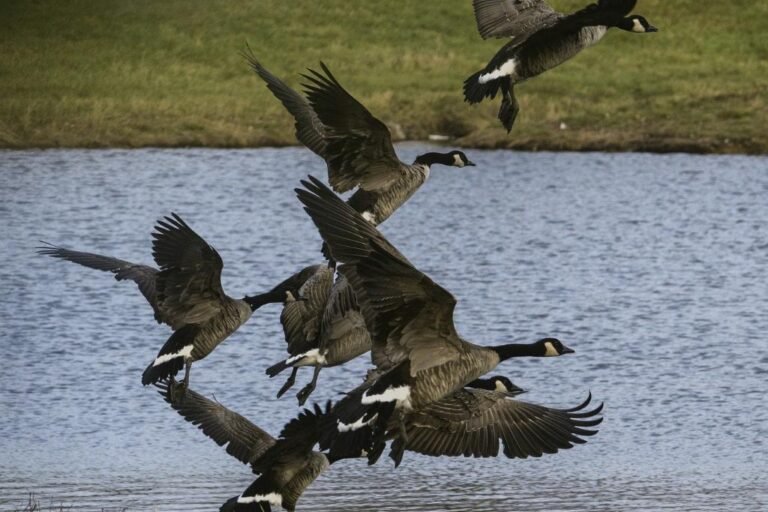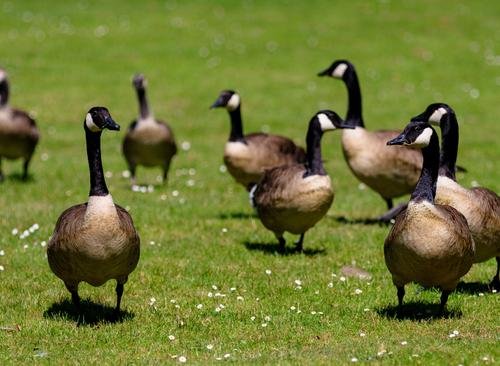
Ever watched a flock of Canada geese take over your waterfront lawn, leaving behind a minefield of droppings and torn-up grass? Property owners across Connecticut and New York face this frustrating scenario each spring, often wondering if the solution will be worse than the problem itself. The good news is that modern safe goose deterrent methods can protect your property without turning your yard into a construction zone. These humane approaches typically work within one to four weeks, using simple barriers and behavioral techniques that respect both your landscape and local wildlife regulations. Whether you’re dealing with a small residential pond or a sprawling commercial property near wetlands, understanding how these systems work can help you make informed decisions. The reality is that effective goose control in the Northeast requires balancing federal guidelines, state regulations, and practical considerations like slopes, frost lines, and zoning requirements. What you choose today can mean the difference between reclaiming your property or watching geese return season after season.
Key Takeaways
- Deterrent Programs Span 1-4 Weeks in CT/NY: Simple hazing and visual deterrents become active within days, while comprehensive fencing and habitat modifications may extend to four weeks with ongoing monitoring.
- Exclusion Forms the Backbone: Three-foot monofilament lines or netting installed on four to six-inch posts effectively block goose access without requiring deep frost-line excavation.
- Preparation Prevents Surprises: Conducting habitat scans, implementing feeding bans, and checking zoning requirements for wetland buffers helps identify potential obstacles early in the process.
- Hazing and Visuals Come First: Reflective tape, eye-spot balloons, and trained border collies work best when rotated regularly to prevent geese from becoming accustomed to them.
- CT/NY Permits Vary by Method: Free USFWS registration applies to egg control, while temporary barriers under three feet typically don’t require local zoning approval.
- Monitoring and Restoration Included: Weekly effectiveness checks and overseeding of bare spots are standard components of professional deterrent programs.
Understanding the Safe Goose Deterrent Process in CT and NY
Professional humane goose management programs in the Northeast follow a reliable sequence that respects both property limitations and wildlife protection laws. Unlike rushed single-method approaches that often fail, comprehensive deterrent systems account for regional challenges including sloped terrain, wetland proximity, and strict non-lethal enforcement codes. Connecticut and New York regulations emphasize exclusion and habitat modification over aggressive hazing, creating a framework that protects property owners while maintaining ecological balance.
The process begins with understanding local environmental factors. Connecticut’s spite laws limit the height and placement of barriers between adjacent properties, while both states enforce 75 to 150-foot buffer zones around designated wetlands. These setback requirements demand careful planning for silt control and erosion prevention during installation. Properties with significant slopes or shoreline access face additional considerations, as installers must adapt barrier systems to uneven terrain without compromising effectiveness.
Local Goose Environment and Process Needs
Regional characteristics shape every deterrent program in the Tri-State area. Grassy shores and gently sloped yards attract Canada geese because they offer easy access to water and open sightlines for predator detection. Before any physical barriers go up, property owners must stop all feeding activities and verify local zoning allowances for three-foot barrier heights. This preparation phase prevents delays and ensures installations comply with municipal codes.
Terrain access matters significantly during installation. Flat residential lots with clear boundaries allow quick setup, while properties with retaining walls, steep banks, or multiple water features require custom approaches. Professionals assess these factors during initial consultations, identifying potential complications like underground utilities, irrigation systems, or established landscaping that could interfere with barrier placement. This upfront evaluation saves time and reduces surprises during the actual installation phase.
National vs. CT/NY Deterrent Timelines
Standard goose deterrent timelines across the United States typically range from one to two weeks for straightforward residential properties. However, Northeast installations often extend to two to four weeks due to additional monitoring requirements, migration pattern considerations, and stricter regulatory compliance. Connecticut and New York programs must account for resident goose populations that remain year-round, requiring sustained pressure rather than one-time interventions.
The extended timeline reflects the region’s commitment to humane, lasting solutions. Quick-fix approaches might move geese temporarily, but without proper habitat modification and consistent reinforcement, birds often return within days. Professional services build in monitoring periods to confirm geese have relocated and to adjust tactics if initial methods prove insufficient. This methodical approach may take longer but delivers more reliable results.
Typical Timeline Ranges by Property Size
Small residential lawns with single water features typically complete deterrent programs in one to two weeks nationally. In Connecticut and New York, these same properties average two to three weeks when accounting for molt synchronization and regulatory buffer alignment. Timing installations to coincide with the flightless molt period (June through July) increases effectiveness but requires advance scheduling.
Larger properties or those with multiple water bodies naturally extend timelines. Commercial complexes, golf courses, and corporate campuses may require three to four weeks for complete coverage, particularly when wetland buffers complicate access. These extended programs incorporate phased installations, allowing property use to continue while work progresses in sections. The incremental approach minimizes disruption while building comprehensive protection.
Week-by-Week Breakdown Models
A typical four-week program follows a predictable pattern. Week one focuses on habitat assessment and visual deterrent installation, activities that can often complete within days. Professionals evaluate nesting sites, identify feeding patterns, and install reflective tape, eye-spot balloons, or grid wires over small ponds. These initial steps create immediate pressure without physical barriers.
Week two introduces exclusion systems. Installers position posts and string monofilament lines along shorelines and lawn perimeters, creating barriers that prevent geese from accessing preferred grazing areas. This phase takes longer on properties with wetlands or significant slopes, as teams must work around environmental sensitivities. Weeks three and four consist of active hazing with trained dogs or noise devices, combined with ongoing monitoring to assess effectiveness and make adjustments. Properties with large resident flocks or multiple water features may require the full four weeks to achieve complete deterrence.
Key Steps in the Goose Deterrent Process
Every professional goose deterrent program progresses through core phases designed to ensure both effectiveness and regulatory compliance. These steps apply whether implementing visual deterrents, physical exclusion, or active hazing methods. Connecticut DEEP and New York DEC guidelines inform each phase, tying programs directly to regional wildlife management standards.
Understanding these steps helps property owners prepare appropriately and set realistic expectations. While professionals handle technical aspects and regulatory requirements, owner cooperation during preparation and monitoring phases significantly impacts program success. The following sections break down each phase in practical terms.
Site Preparation and Assessment
Professional services begin with comprehensive site surveys. Technicians walk the property to identify active nesting sites, locate eggs if present during breeding season, and document current goose activity patterns. This information determines which deterrent methods will work best and identifies potential complications before installation begins.
Property owners must stop all feeding and eliminate accessible water sources like bird baths or decorative fountains before deterrent programs start. Geese that receive supplemental food have less motivation to relocate, undermining even well-designed deterrent systems. Assessment teams also stake buffer lines to confirm setback compliance and verify that proposed barriers fall within allowable zoning parameters. For properties near designated wetlands, this step includes confirming environmental clearances and silt control plans.
The assessment phase typically completes within one to two days for standard residential properties. Complex sites with multiple buildings, extensive shorelines, or difficult terrain may require up to one week for thorough evaluation. This upfront investment prevents delays and ensures installations proceed smoothly once approved.
Exclusion Setup and Anchoring
Physical barriers form the most reliable component of long-term goose control. Monofilament lines strung three feet high on posts spaced 10 to 15 feet apart create effective exclusion zones without requiring deep excavation. Posts typically sink only four to six inches into soil, avoiding frost line complications while providing adequate stability for tension lines.
Installation teams work systematically around property perimeters, focusing on areas where geese access lawns from water. Posts go in first, followed by line stringing and tensioning to maintain proper height across runs. The process generates minimal soil disruption, with hand tools sufficient for most installations. Properties with extensive shorelines or multiple access points may take one to two days for complete barrier setup.
Netting systems offer alternatives to monofilament lines, particularly for properties where visual impact matters less than complete coverage. Black polypropylene netting buried six inches at the bottom creates both physical and visual barriers. Overhead grids work well for small ponds, deterring landing without permanent structures. Installation crews adapt methods to terrain, using flexible posts on slopes and reinforced anchoring near water edges where soil erosion occurs.
Hazing, Visuals, and Habitat Integration
Active harassment techniques complement physical barriers, creating multi-layered pressure that convinces geese to relocate. Reflective Mylar tape, eye-spot balloons, and flagging create visual disturbances that make geese uncomfortable. These items install quickly, often within hours, and require regular repositioning to prevent habituation.
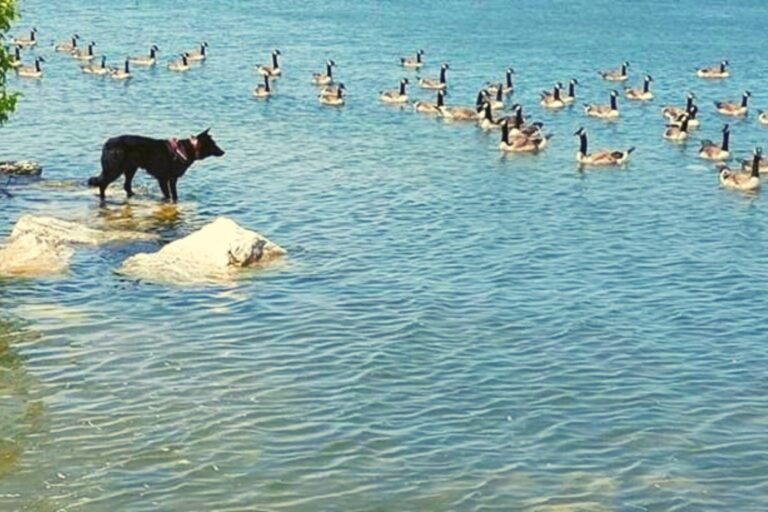
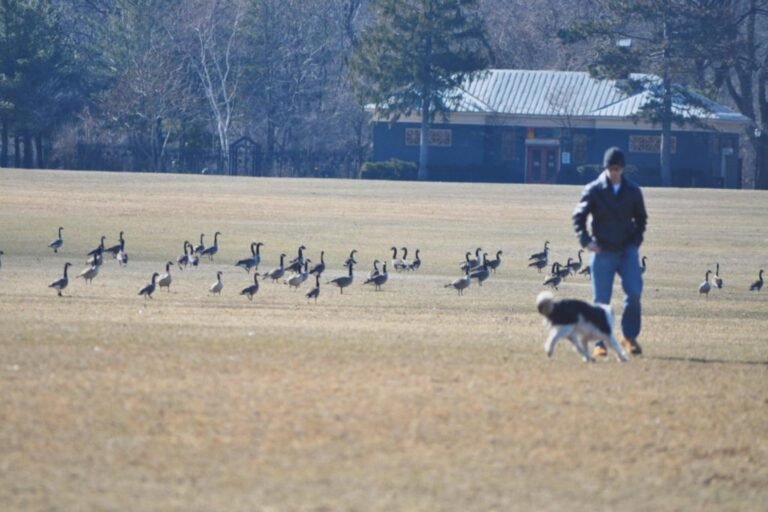
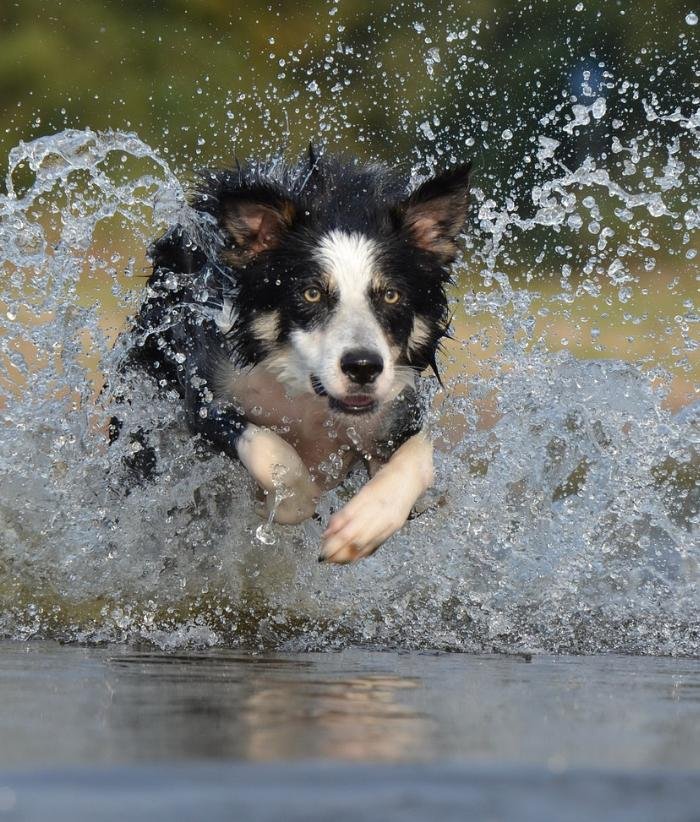
Trained border collies provide the most effective active hazing. These dogs instinctively herd geese away from treated areas, creating sustained pressure that reinforces physical barriers. Professional services typically conduct dog patrols during early morning and evening hours when geese are most active. The frequency and duration of patrols adjust based on goose numbers and behavioral responses, with large flocks requiring more intensive pressure.
Habitat modification reinforces other deterrent methods by making properties less attractive to geese long-term. Overseeding lawns with tall fescue varieties creates rougher textures that geese prefer to avoid. Planting native shrubs and perennials along shorelines obscures sightlines and restricts access. These changes integrate into existing landscapes while providing sustained deterrent benefits after active programs conclude.
Additional Steps for Complex Properties
Standard deterrent programs work well for flat residential lots with straightforward access and minimal regulatory constraints. However, properties with challenging terrain, environmental sensitivities, or large resident goose populations require additional measures. These complex situations extend timelines and increase costs but remain manageable with proper planning and professional execution.
Understanding which complications apply to your property helps set appropriate expectations. The following considerations apply to specific situations common in Connecticut and New York installations.
Handling Slopes, Wetlands, and Large Flocks
Sloped terrain presents unique installation challenges. Standard rigid posts may not maintain vertical alignment on steep banks, requiring flexible racking systems that adapt to grade changes. These specialized components add one to two days to installation schedules but ensure barriers maintain effective heights across elevation changes. Installers also implement erosion controls during work on slopes, using silt fencing to prevent sediment runoff into water bodies.
Properties adjacent to designated wetlands face additional regulatory requirements beyond basic deterrent installations. Buffer zones ranging from 75 to 150 feet may restrict barrier placement, forcing creative solutions that provide protection without violating setbacks. Some installations use longer sight lines with strategic post placement to create effective barriers while respecting protected areas. Professional services handle required environmental reviews and adjust plans to maintain compliance.
Large resident flocks, particularly groups exceeding 50 birds, demand sustained hazing pressure that extends program timelines. Border collie patrols may need to operate daily for two to three weeks to convince established flocks to relocate. Properties that have hosted geese for multiple seasons face stronger site attachment, requiring more intensive intervention. These situations add one to two weeks to standard timelines but deliver lasting results when properly executed.
Finishing Touches and Lawn Restoration
Post-installation refinement ensures systems perform optimally. Technicians walk completed barriers, adjusting tension on lines and confirming posts remain plumb. Debris removal and site cleanup restore normal property appearance, with disturbed areas receiving attention to accelerate recovery. These finishing steps typically complete within one day following installation.
Lawn restoration begins immediately after barrier setup. Overseeding with shade-tolerant fescue blends helps bare spots recover quickly, particularly in areas where posts created small disturbances. Perennial plantings along shorelines provide long-term habitat modification that sustains deterrent benefits. Property owners can expect visible grass recovery within two to four weeks during spring growing seasons, with full restoration by early summer.
Ongoing maintenance requirements remain minimal after initial installation. Property owners should check barrier integrity weekly, retensioning lines if needed and repositioning visual deterrents to prevent habituation. Professional services often include follow-up visits at two and four weeks post-installation to assess effectiveness and make adjustments. This continued support ensures programs deliver expected results.
Permits, Registrations, and Regulations in CT and NY
Legal compliance forms a non-negotiable component of any goose deterrent program in the Northeast. Federal, state, and local regulations govern which methods property owners can use and how they must implement them. Understanding these requirements before starting prevents costly delays and potential violations.
Professional services handle most regulatory coordination, but property owners should understand basic requirements. The following sections outline key permits and registrations that may apply to your situation.
Wildlife and Zoning Coordination
The U.S. Fish and Wildlife Service requires free registration for any nest or egg control activities, available through online forms that process instantly. This registration authorizes property owners or their agents to addle eggs during the March through August breeding season, preventing hatching without harming adult geese. The process takes minutes and remains valid for the calendar year, requiring annual renewal.
Connecticut DEEP issues agricultural depredation permits for properties experiencing crop damage from geese. These permits authorize additional control methods beyond basic deterrents and process quickly through the state wildlife division. Most residential properties don’t require this level of authorization, but agricultural operations or properties with extensive gardens may benefit from the expanded options these permits provide.
Local zoning compliance varies significantly across municipalities. Temporary barriers under three feet typically don’t require building permits or zoning approval, but exceptions exist in historic districts or properties with conservation easements. Wetland buffers demand environmental review before any installation within protected setbacks. Professional services verify local requirements during assessment phases, handling submissions when needed. This coordination ensures installations proceed without regulatory surprises.
What Property Owners Should Prepare For and Do
Successful deterrent programs require cooperation between professionals and property owners. While installation teams handle technical aspects, owner actions before and during programs significantly impact outcomes. Understanding your role helps programs run smoothly and delivers better results.
The following sections outline realistic expectations and practical steps property owners should take throughout deterrent programs.
Weekly Expectations During Program
Week one typically involves the most visible activity. Assessment teams walk properties, stake proposed barrier locations, and begin installing visual deterrents. Property owners should expect brief consultations to confirm plans and address any questions about planned work. Visual deterrent installation creates minimal disruption, with most work completing within hours.
Week two brings physical barrier installation. Crews work along shorelines and property perimeters, positioning posts and stringing lines or netting. Access to waterfront areas should remain clear during this phase, though property use continues normally in unaffected areas. Installation noise remains minimal, with hand tools and lightweight equipment standard for most jobs.
Weeks three and four focus on monitoring and adjustment. Professional services conduct effectiveness walkthroughs, noting goose responses and making tactical changes as needed. Property owners should remain available for brief check-ins and report any changes in goose behavior they observe. These weeks involve less visible activity but remain crucial for confirming program success.
Tips to Minimize Disruptions
Pre-installation preparation significantly reduces disruption during actual programs. Stopping all feeding activities at least one week before deterrent work begins helps geese start seeking alternative locations. Property owners should also secure pets during installation and hazing activities, as border collies work best without distractions from resident animals.
Creating access plans prevents delays. Installers need clear paths to shorelines and property perimeters, so moving patio furniture, securing loose decorations, and trimming overhanging vegetation along planned barrier routes helps crews work efficiently. These simple steps can reduce installation time by 20 to 30 percent on properties with good preparation.
Timing programs to coincide with spring molt periods (June through early July) increases effectiveness by targeting geese when they’re flightless and more vulnerable to pressure. However, this requires advance scheduling as professional services book heavily during peak seasons. Property owners planning deterrent programs should contact services by early spring to secure preferred timing. Fall installations work well for properties without breeding activity, providing protection before winter resident flocks establish.
Process Comparison Table: Simple vs. Complex Goose Deterrent in CT/NY
| Phase | Simple Property (Flat Lawn) | Complex Property (Slope/Wetland) |
|---|---|---|
| Prep & Assessment | 1-2 days | 1 week with buffer surveys |
| Exclusion Setup | 1-2 days | 3-5 days with flexible line systems |
| Hazing/Visuals | 1 day | 1 week with dog patrols |
| Total Timeline | 1-2 weeks | 3-4+ weeks |
Common Mistakes Property Owners Make During Goose Deterrent Setup
Even well-intentioned property owners sometimes undermine professional deterrent programs through simple missteps. Recognizing these common errors helps you avoid them and supports program success.
Continuing to feed geese during active deterrent programs ranks as the most frequent mistake. Any supplemental food source, including intentional waterfowl feeding or accessible garbage, gives geese reason to remain despite other pressures. Even neighbors feeding within sight of your property can complicate programs, making community education an important component of lasting control.
Relying on single deterrent methods without reinforcement often fails due to habituation. Geese adapt quickly to static visual deterrents like scarecrows or stationary balloons. Without rotation and supplemental pressure from barriers or hazing, these methods lose effectiveness within days. Professional programs combine multiple tactics specifically to prevent this adaptation.
Ignoring wetland regulations creates legal and environmental complications. Property owners who install barriers within protected buffers without proper clearance face fines and mandatory removal. These violations delay programs and increase costs significantly. Always verify setback requirements before authorizing any installation near water bodies or designated environmental areas.
Skipping monitoring during active programs prevents necessary adjustments. Geese respond differently to various pressures, and what works on one property may require modification on another. Property owners who remain engaged during programs, reporting observations and supporting professional recommendations, achieve better outcomes than those who simply expect passive solutions to work without oversight.
Preparing Your Property for Goose Deterrent Solutions in CT/NY
Advance preparation streamlines professional deterrent installations and improves program outcomes. Property owners can take several steps before services arrive to ensure smooth, efficient work.
Complete USFWS registration for nest and egg control if breeding season activities are planned. This free online process takes minutes and provides legal authorization for one calendar year. Having registration confirmed before services begin prevents delays if nests are discovered during assessment.
Conduct informal boundary surveys to identify potential wetland buffers or property line considerations. Walk your perimeter with attention to water features, noting where barriers might interface with sensitive areas. This preliminary scouting helps during professional assessments by identifying discussion points upfront.
Document current goose activity patterns for at least one week before services begin. Note when geese arrive and depart, which areas they prefer, and approximate flock sizes. This information helps professionals tailor programs to actual use patterns rather than assumptions. Simple daily observations recorded on your phone provide valuable planning data.
Clear shoreline and perimeter access by trimming vegetation, removing temporary obstacles, and securing loose items that could interfere with installation. Creating 10 to 15-foot clear zones along planned barrier routes significantly speeds professional work. This preparation can reduce installation time and associated costs.
Coordinate with neighbors if geese move between adjacent properties. Comprehensive deterrent coverage works best when neighboring property owners cooperate on timing and methods. While you can’t force coordination, informing neighbors of your plans and encouraging similar measures increases overall effectiveness. Community-wide approaches to goose management deliver better results than isolated individual efforts.
Frequently Asked Questions About Safe Goose Deterrent in CT/NY
Q: What is the typical safe goose deterrent process?
A: Professional programs follow a structured sequence starting with habitat assessment and visual deterrent installation, progressing to physical exclusion barrier setup, and concluding with active hazing and ongoing monitoring. The complete process typically takes one to four weeks for residential properties, with simpler installations on flat lawns completing faster than complex sites with slopes or wetlands.
Q: How long does exclusion setup take?
A: Physical barrier installation using monofilament lines or netting typically completes within one to two days for standard residential properties. Posts sink only four to six inches into soil, avoiding deep excavation and minimizing yard disruption. Larger properties or those with extensive shorelines may require additional time, but installation rarely extends beyond one week even for complex situations.
Q: Are permits required for goose deterrents in my area?
A: USFWS registration is required for nest and egg control activities but is free and processes online instantly. Temporary barriers under three feet typically don’t require local zoning approval, though wetland buffer areas may need environmental clearance. Professional services handle permit coordination through Connecticut DEEP and New York DEC portals, ensuring compliance with all applicable regulations.
Q: What should I expect during Week 1?
A: The first week focuses on preparation and initial deterrent installation. Property owners should implement feeding bans immediately, creating pressure for geese to seek alternative locations. Professional teams install visual deterrents like reflective tape and balloons during this phase but typically don’t begin physical barrier installation until Week 2. Disruption remains minimal during Week 1, with most activities completing in hours rather than days.
Q: How can I prepare my property for goose deterrents?
A: Property owners should eliminate all food sources including birdseed and accessible garbage, remove temporary water features like bird baths, and clear access routes along shorelines and property perimeters. Documenting current goose activity patterns for one week before professional services arrive provides valuable planning information. These simple preparation steps significantly improve program efficiency and effectiveness.
Q: Do deterrent barriers damage lawns or landscaping?
A: Modern barrier systems use minimal-impact installation methods. Monofilament line posts require only four to six-inch holes that heal quickly with minimal scarring. Professional services include lawn restoration as standard practice, overseeding any disturbed areas with appropriate grass blends. Most properties show no visible installation impact within two to four weeks during growing seasons.
Q: Will geese return after deterrent programs end?
A: Properly implemented multi-method programs create lasting behavioral changes that keep geese away long-term. Properties remain protected as long as barriers stay maintained and owners avoid attractants like feeding. Seasonal monitoring during spring migration periods helps confirm continued effectiveness. Some properties benefit from annual refresher programs to reinforce deterrence, but ongoing daily management typically isn’t necessary.
Q: Can I install goose deterrents myself?
A: Property owners can implement basic visual deterrents and habitat modifications independently. However, professional services offer significant advantages including regulatory expertise, access to specialized equipment, and experience adapting methods to challenging situations. DIY installations risk permit violations, ineffective barrier placement, or methods that cause habituation rather than lasting deterrence. For properties near wetlands or with significant goose populations, professional services typically deliver better results with lower overall risk.
Final Thoughts
Connecticut and New York property owners can reclaim their landscapes from Canada geese using predictable, humane deterrent programs that respect local regulations and environmental considerations. These professional approaches typically resolve goose conflicts within one to four weeks while maintaining yard integrity and avoiding the disruption that aggressive or poorly planned methods create. Understanding the phases from initial assessment through barrier installation to ongoing monitoring helps property owners set realistic expectations and prepare appropriately.
The key to successful long-term goose management lies in combining multiple deterrent methods rather than relying on single tactics. Physical barriers create reliable exclusion, visual deterrents maintain pressure, and active hazing with trained border collies reinforces behavioral changes. When implemented according to Connecticut DEEP and New York DEC guidelines, these humane approaches protect properties while respecting wildlife and maintaining ecological balance.
For over 11 years, Tri-State Geese Patrol has delivered professional goose management services throughout the Tri-State area using specially trained border collies and comprehensive deterrent systems. Our team understands the unique challenges Connecticut and New York properties face, from wetland buffer requirements to slope installations and complex zoning considerations. We handle all regulatory coordination, provide free initial assessments, and stand behind our work with ongoing support to ensure lasting results. Contact Tri-State Geese Patrol today to schedule your property evaluation and take the first step toward reclaiming your outdoor spaces from nuisance geese.