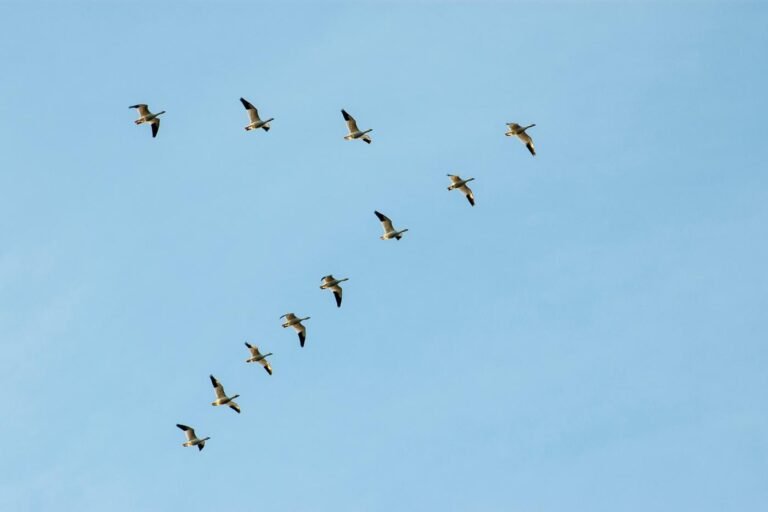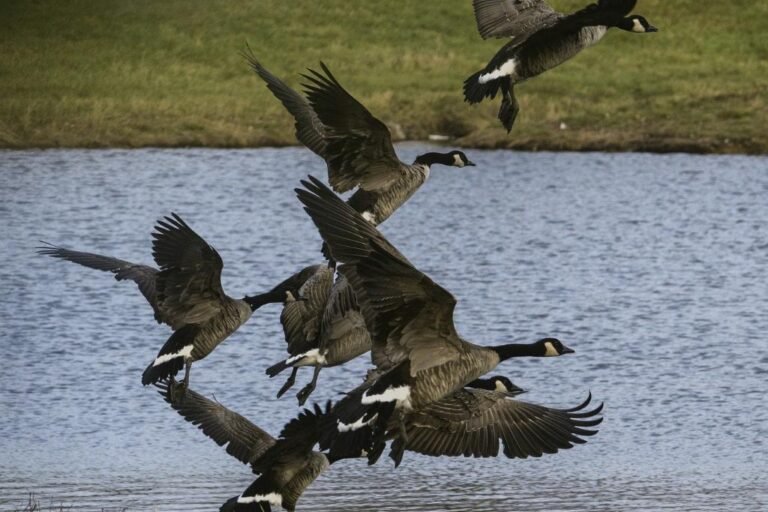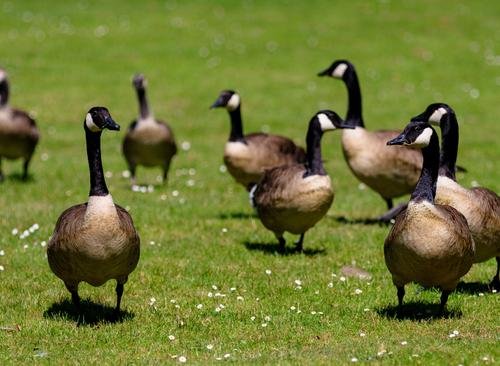
Most Connecticut and New York property owners call a professional goose control service after months of trying DIY tactics that just don’t stick. Maybe you’ve tried motion-activated sprinklers, fake coyote decoys, or reflective tape along your waterfront, only to find the same flock of Canada geese back on your lawn a week later, leaving droppings across walkways and nesting near your patio furniture.
Professional goose control becomes necessary when resident geese settle into patterns that simple scare tactics can’t break, particularly when nesting starts or flock sizes grow each season. At that point, you’re facing more than a nuisance; you’re dealing with potential liability, health concerns from accumulated droppings, and federal wildlife laws that limit what you can legally do on your own. The big worry many property owners share is how much disruption a professional setup will cause.
Will your yard look like a construction zone for weeks? When you understand what actually happens during a professional goose control installation and how Northeast soil conditions shape the process, you can plan around a 1-3 day active work window with surprisingly little long-term impact on your turf.
Key Takeaways
- Professional goose control jobs typically span 1-3 days for residential properties in Connecticut and New York, with simple shoreline barriers wrapping up in 1-2 days and more complex setups involving slopes, wetlands, or pond grids extending to 3 days based on property size and terrain.
- Low-profile barriers form the backbone of most installations, using shallow post holes or surface anchors (12-24 inches deep) rather than deep excavation, which protects your lawn from frost heave common in the Northeast and minimizes disruption to existing turf and landscaping.
- Site preparation catches surprises early through walkthrough assessments that identify active nests, utility lines, wetland setbacks, and local zoning requirements before any digging starts, preventing costly mid-project delays and ensuring compliance with state and federal regulations.
- Hazing and habitat modifications extend effectiveness beyond physical barriers, with trained border collies, noisemakers, and tall grass buffers added after barrier installation to create an integrated control program that addresses goose behavior patterns rather than relying on single tactics.
- Connecticut and New York regulations vary but generally allow basic hazing without permits, while egg treatment requires federal registration through the U.S. Fish and Wildlife Service, something professional services handle to keep you compliant with the Migratory Bird Treaty Act.
- Cleanup and final walkthrough come standard with professional installations, including debris removal, reseeding of disturbed areas, tension checks on barriers, and turf restoration guidance to speed recovery and maintain your property’s appearance.
Understanding the Professional Goose Control Process in CT and NY
Professional goose control services in Connecticut and New York follow predictable sequences designed around the unique challenges of Northeast properties. These include pond-heavy residential lots, waterfront HOA common areas, and commercial campuses where Canada geese have become year-round residents rather than seasonal migrants. The process emphasizes humane methods, wetland protections, and frost-adapted installations over quick fixes that might violate wildlife laws or damage sensitive shoreline areas.
The federal Migratory Bird Treaty Act protects Canada geese from harm, meaning professional services must design control programs around hazing, barriers, and habitat modification rather than lethal removal or unregulated nest destruction. Connecticut and New York state agencies promote integrated approaches that combine physical deterrents with population management and public education, particularly in municipal and waterfront settings where geese congregate in large numbers.
Local Goose Environment and Process Needs
Regional waterfronts, sloped lawns, and expansive open turf create ideal habitat for resident geese that graze on short grass and nest near shorelines with clear sightlines. Professional services start with initial flock mapping to identify primary feeding areas, nesting sites, and flight paths before recommending barrier placement. This upfront assessment also includes verifying local zoning requirements, wetland buffer setbacks (often 50-100 feet from water edges), and utility line locations to prevent mid-installation complications.
Because Connecticut and New York properties often sit on sloped terrain leading to ponds or streams, installers adapt their approach to minimize erosion and protect shoreline vegetation. This may mean working from hard surfaces, using lighter equipment, or hand-carrying materials to avoid creating deep ruts that would take months to heal in cool-season turf common throughout the region.
National vs. CT/NY Goose Control Timelines
Baseline timelines for professional goose control tend to run longer in the Northeast compared to other regions, primarily due to shallow installation requirements, weather considerations, and regulatory compliance steps specific to Connecticut and New York. While a simple lawn-edge barrier might take just a day or two in warmer climates with deeper frost lines, CT/NY installations often add time for site-specific adjustments and permit coordination.
Typical Timeline Ranges by Property Size
For small to mid-sized residential properties (under one acre with modest waterfront access), national averages suggest 1-2 day installations for basic fencing or barrier systems. In Connecticut and New York, that timeline extends to an average of 2-3 days once you factor in shallow post installation to accommodate frost heave, coordination with local conservation commissions for wetland-adjacent work, and compliance verification for any egg or nest treatment that might be part of the overall program.
Larger properties such as HOA common areas, office parks with retention ponds, or athletic fields can stretch to 3-5 days depending on the linear footage of shoreline that needs protection, the number of access points geese use, and whether the installation includes pond grids or overhead line systems in addition to perimeter fencing.
Day-by-Day Breakdown Models
A typical professional goose control installation in Connecticut or New York follows a three-phase structure. Day 1 focuses on walkthrough and preparation, usually taking 4-6 hours to map the site, mark utility lines, identify active nests, and confirm wetland setbacks with local regulations. Day 2 handles barrier installation, with crews setting shallow posts, securing low-profile mesh or grid systems, and adding any necessary erosion control measures along slopes or soft shoreline soils.
Day 3 wraps up with hazing setup, habitat modifications like seeding tall grass buffers, and final site cleanup including debris removal and light reseeding of disturbed turf. Properties with complex terrain, multiple ponds, or extensive wetland buffers may extend this timeline by a day or two, but the core phases remain consistent across most residential and commercial installations.
Key Steps in the Professional Goose Control Process
Professional goose control programs break down into distinct phases that build on each other to create lasting results. Each step addresses specific goose behaviors while respecting Connecticut and New York state guidelines for humane wildlife management and environmental protection. Understanding these phases helps property owners prepare their sites and set realistic expectations for how long each element takes.
Site Preparation and Layout
The first step involves walking the entire property to map goose traffic patterns, feeding zones, and nesting sites. Technicians look for worn paths in the grass where geese regularly walk from water to lawn, concentrations of droppings that indicate preferred grazing areas, and nesting materials near shorelines or in landscaping beds. This mapping determines where barriers will be most effective and where hazing or habitat changes make sense as supplementary measures.
During this phase, crews also check for underground utilities using marking flags or locator services, identify any active nests that may require federal registration before treatment, and confirm property lines and wetland setbacks with local conservation requirements. For waterfront properties, this includes measuring back 50-100 feet from the water’s edge to ensure barrier placement doesn’t encroach on protected buffer zones. The entire preparation phase typically takes 4-6 hours on residential lots and involves minimal lawn disturbance beyond light foot traffic and temporary marking flags.
Barrier Setting and Anchoring
Physical barriers represent the core of most professional goose control installations in Connecticut and New York. These barriers typically consist of low-profile fencing (30-42 inches high) positioned along shorelines, property edges, or across common goose paths between water and lawn areas. The goal is to interrupt the easy walking access geese rely on, forcing them to fly over obstacles they’d rather avoid or seek alternative properties with unobstructed paths.
Post installation uses shallow holes (12-24 inches deep) or surface-mounted anchor systems to avoid the deeper digging that would be necessary for frost lines at 30-48 inches. This shallow approach minimizes root damage to existing turf, reduces soil upheaval, and prevents long-term post movement from freeze-thaw cycles common in the Northeast. Crews typically work along narrow linear paths, disturbing only the immediate footprint of each post location rather than excavating wide trenches.
For pond or stream edges, installers often add pond grids or overhead line systems that use perimeter anchors with minimal in-water work. These systems create visual and physical barriers to landing without requiring extensive shoreline excavation. On slopes or areas with soft, saturated soil, crews may lay down temporary boards or mats to prevent equipment ruts and add erosion control fabric or mulch to stabilize disturbed soil until grass regrows.
Barrier installation typically takes one full day for simple residential properties and up to two days for larger waterfront lots or sites with challenging terrain. The actual area of lawn disturbance remains narrow and focused along the barrier line rather than spreading across the full yard.
Hazing, Habitat, and Egg Treatment
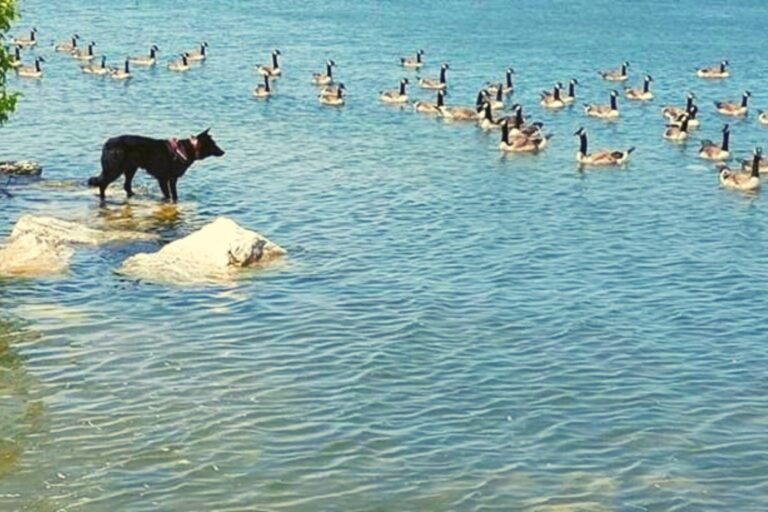
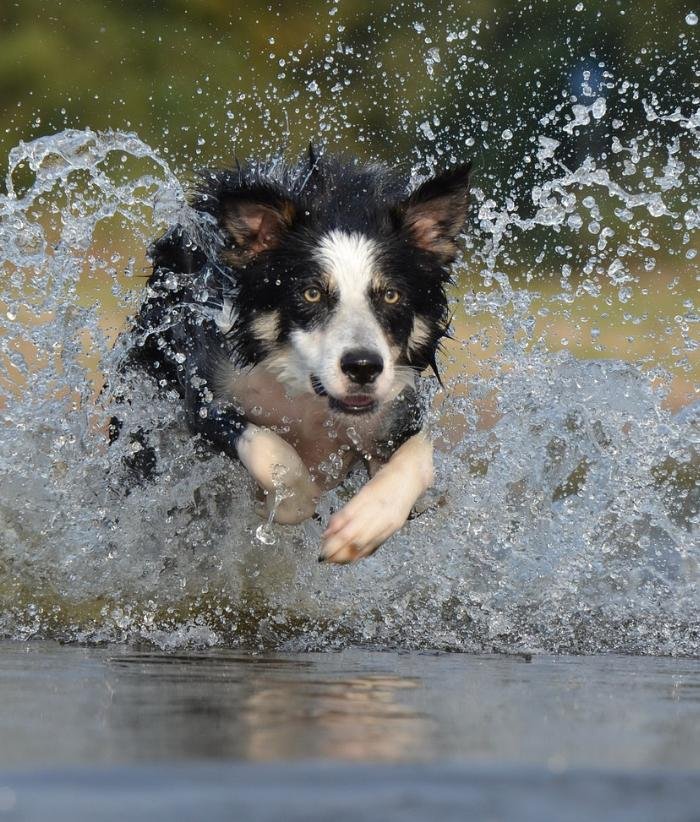
Once physical barriers are in place, professional services layer in active hazing and habitat modifications to reinforce the deterrent effect. Hazing involves trained border collies, noisemakers, or visual scare devices that make geese uncomfortable enough to leave the property without causing physical harm. In Connecticut and New York, hazing is legal without permits as long as geese aren’t injured, making it a low-risk addition to barrier-based programs.
Habitat changes focus on making the property less attractive to geese. This often means allowing grass to grow taller in buffer zones near water (geese prefer short, mowed turf for grazing and clear sightlines), planting native shrubs or grasses along shorelines, or removing bird feeders and other food sources that might attract waterfowl. These modifications take minimal time to implement, usually half a day to a full day depending on property size and the extent of plantings or mowing pattern changes.
For properties where population reduction is a priority, egg oiling or nest treatment may be part of the program. This involves coating eggs with corn oil or puncturing them to prevent hatching, reducing the next generation of resident geese. Both Connecticut and New York require property owners to register with the U.S. Fish and Wildlife Service before treating eggs, and professional services handle this paperwork to ensure compliance. The actual treatment happens directly at nest sites with no lawn disruption beyond the immediate nesting area.
Additional Steps for Complex Installs
Properties with challenging terrain, multiple water features, or extensive wetland areas require adaptations to the standard goose control process. These additions typically add one day or less to the overall timeline but provide crucial protection for slopes, sensitive shorelines, and areas where standard barrier installation would cause erosion or wetland damage.
Handling Slopes, Ponds, and Wetlands
Sloped lawns leading to waterfront areas pose a dual challenge: geese love the easy downhill walk from water to grazing areas, and heavy equipment can create deep ruts on soft or angled ground. Professional installers address this by using surface-mounted anchors or very shallow posts that don’t require excavating into unstable slope soils. Crews often work from above the slope, carrying materials down by hand to avoid driving equipment across the grade.
For pond installations, grid systems that span open water use perimeter posts with horizontal lines or netting that make landing difficult without obstructing the full pond surface. These systems anchor at the shoreline with minimal in-water work, keeping disturbance to pond banks and aquatic vegetation low. Installation usually adds one day compared to simple land-based barriers, primarily due to the additional anchoring and tensioning required for overhead systems.
Wetland-adjacent properties face strict buffer requirements that limit how close barriers can be placed to water edges or regulated wetland vegetation. Professional services work within these setbacks by positioning barriers back from the immediate shoreline, relying on hazing and habitat changes closer to the water to fill the gap. When working near wetlands, crews often install silt fencing or erosion control fabric to prevent sediment runoff into protected areas, adding a few hours to the installation but protecting water quality and staying compliant with state environmental regulations.
Finishing Touches and Yard Restoration
The final phase of professional goose control focuses on leaving the property clean and turf on a fast recovery path. Crews perform tension checks on all barrier systems, ensuring posts are secure and mesh or lines are properly taut to prevent sagging that would let geese slip underneath. Any loose soil from post holes is tamped down and leveled, and disturbed grass areas are reseeded with a mix appropriate for the Northeast growing season.
Walkways, patios, and driveways near the work zone get blown clean of soil and debris, and droppings within the installation area are typically removed as part of standard cleanup. For properties where equipment created any rutting or soil compaction, crews may add light topdressing and aeration to speed turf recovery. These finishing steps usually take 1-2 hours and significantly reduce the “torn up” appearance that property owners worry about, helping grass bounce back in 1-3 weeks rather than lingering as bare soil for months.
Permits, Registrations, and Regulations in CT and NY
Connecticut and New York both regulate goose control to balance property owner needs with federal wildlife protections and local environmental standards. Understanding what requires permits or registration helps property owners avoid unintentional violations and ensures professional services can move forward without legal delays.
Zoning and Federal Coordination
Basic hazing methods like trained dogs, noisemakers, or visual deterrents don’t require permits in Connecticut or New York, making them the easiest starting point for professional goose control. Physical barriers such as fencing or pond grids also don’t need special wildlife permits, though they may be subject to local zoning approvals if they’re tall enough to count as structures or if they’re placed near wetland buffers that fall under conservation commission jurisdiction.
Egg treatment and nest management require federal registration through the U.S. Fish and Wildlife Service before property owners or contractors can legally oil, puncture, or remove eggs. New York offers online registration for residents who want to treat eggs on their own properties, while Connecticut has a separate agricultural depredation permit program through CT DEEP for commercial producers dealing with crop damage from resident geese. Professional goose control services handle these registrations as part of their setup process, ensuring all egg or nest work stays compliant with the Migratory Bird Treaty Act.
For larger properties or municipal sites, Connecticut allows organized goose “round-ups” where flocks are captured and relocated during molting season when they can’t fly. These programs require coordination with CT DEEP and typically apply to parks, golf courses, or large corporate campuses rather than individual residential lots. Professional services experienced in Connecticut and New York regulations guide property owners through which permits or registrations apply to their specific control plan.
What Property Owners Should Prepare For and Do
Professional goose control installation creates temporary activity on your property, but understanding the daily flow helps you plan around access needs, noise, and minor disruptions without stress.
Daily Expectations During Control Setup
During Day 1 (site walkthrough and preparation), expect light foot traffic across your lawn and shoreline areas as technicians map goose patterns and mark utility lines. This phase is quiet, requires no heavy equipment, and allows you to remain on-site or off-property without affecting the work. Crews may ask questions about where geese congregate most, where nests have appeared in previous years, and whether you’ve tried other control methods in the past.
Day 2 brings the most visible activity with barrier installation. You’ll hear auger noise if posts are being set, see crews working along shorelines or property edges, and notice materials staged on driveways or patios. Access to the immediate work zone will be limited for safety, but the bulk of your yard remains open. If you have pets, plan to keep them indoors or in a separate area during active installation hours, typically 8 AM to 4 PM. Noise levels are moderate and comparable to lawn care equipment rather than heavy construction.
Day 3 wraps up with hazing setup, habitat modifications, and final cleanup, which is quieter than Day 2 and involves less equipment. Crews may walk trained border collies around the property to establish initial hazing patterns, add visual scare devices or noisemakers to trees or posts, and reseed disturbed turf. You’ll be asked to do a final walkthrough with the crew to review barrier placement, discuss ongoing hazing schedules if part of your service plan, and confirm you’re satisfied with the installation before they leave.
Tips to Minimize Disruptions
Mark any known nest locations or areas where geese congregate most heavily before the crew arrives, which speeds up the site assessment and helps installers target barrier placement more effectively. If you’ve spotted goose nests in landscaping beds, near doorways, or along shorelines, flagging these spots saves time on Day 1 and prevents accidental disturbance during installation.
Clear access paths to waterfront areas, ponds, or the property edges where barriers will go. This might mean temporarily moving patio furniture, toys, or lawn decorations that could block equipment or create trip hazards for crews carrying materials. The easier it is for installers to reach work zones, the faster the job progresses and the less back-and-forth across your lawn.
Schedule installation during off-peak goose activity periods if possible. Early spring before nesting starts or late summer after goslings have matured both work well, since you’re less likely to encounter aggressive adult geese protecting nests or young birds. If you’re adding egg treatment to your control plan, early spring timing (March through May in CT/NY) ensures you treat eggs before they hatch, which is more effective for population reduction.
Keep pets indoors or in secure areas away from the work zone throughout the installation. Trained border collies used for hazing may be on-site during later phases, and unfamiliar dogs can create distractions or stress for working animals. Similarly, if children will be home during installation days, establish clear boundaries about where they can play to keep them safely away from equipment and crew activity.
Process Comparison Table: Simple vs. Complex Goose Control in CT/NY
| Phase | Simple Install (Lawn Edges) | Complex Install (Pond/Slope) |
|---|---|---|
| Prep & Layout | 4-6 hours with light marking and utility checks | 1 full day including wetland buffer verification and erosion planning |
| Barrier Setting | 1 day for shallow post installation along straightforward edges | 1-2 days with surface anchors on slopes, pond grids, and silt fabric near wetlands |
| Hazing/Habitat | Half day adding dogs, noisemakers, and light grass seeding | 1 day for integrated habitat changes including buffer plantings and tall grass zones |
| Total Timeline | 1-2 days for most residential lots | 2-3 days for waterfront properties with terrain challenges |
Common Mistakes Property Owners Make During Goose Control
Ignoring active nests during installation planning creates legal risks and project delays. Canada geese and their nests are federally protected, so disturbing eggs or nesting adults without proper registration can result in violations. Professional services check for nests during site walkthroughs precisely to avoid this issue, but property owners who delay calling until geese are already nesting may face longer timelines while waiting for federal approvals or until goslings mature enough that nests are no longer active.
Skipping site preparation steps invites unnecessary turf damage and project slowdowns. If utility lines aren’t marked or access paths aren’t cleared before installation day, crews may need to pause work for locator services or waste time moving obstacles. On slopes or saturated soils, failing to identify soft spots in advance can lead to unexpected rutting if equipment sinks deeper than anticipated, creating cosmetic damage that takes weeks to repair.
Neglecting hazing and habitat follow-through after barriers go in reduces long-term effectiveness. Physical barriers deter geese from walking onto your property, but without ongoing pressure from trained dogs, noisemakers, or habitat changes, determined flocks may test barriers repeatedly or find weak points. Professional services often include hazing as part of multi-season programs specifically because integrated approaches work better than single tactics.
Poor communication about property access and special conditions raises costs and extends timelines. If crews arrive to find locked gates, unleashed pets, or unexpected site features like hidden septic systems or underground irrigation lines, they may need to reschedule or bring different equipment. Providing clear access instructions and disclosing known underground utilities before installation day keeps the project on track and prevents surprise fees.
Preparing Your Property for Professional Goose Control in CT/NY
Start by conducting your own goose observation walk several weeks before installation. Note where droppings are heaviest, where you see geese entering and leaving the property, and where nests have appeared in previous seasons. This information helps professional crews target their barrier and hazing strategies more precisely and may reduce the linear footage of fencing needed if certain zones see little goose activity.
Trim back overgrown vegetation along shorelines and property edges where barriers will go. Dense brush or tall weeds slow down installation crews and can hide utility lines or underground obstacles that create complications mid-project. Clearing these areas in advance gives installers clean sight lines and easier access, which can cut half a day or more off the timeline for larger properties.
Check wetland buffer requirements and local zoning rules for your town or conservation district. Some Connecticut and New York municipalities have specific setback distances from streams, ponds, or wetlands where structures (including fencing) require approval. Confirming these rules before crews arrive prevents mid-installation stops for permit applications and ensures barrier placement won’t need to be redone to meet local regulations.
Walk your property after significant rain to identify soft or muddy areas where equipment might create ruts. Flag these spots or discuss them during the initial consultation so crews can plan to use lighter equipment, hand-carry materials, or lay down protective boards. Proactive identification of drainage problem areas protects your turf from unnecessary damage and speeds up installation by preventing equipment from getting bogged down.
Frequently Asked Questions About Professional Goose Control
Q: What is the typical professional goose control process?
A: The typical process starts with a site walkthrough where technicians map goose activity patterns, check for nests, and verify utility lines and wetland setbacks. Next comes barrier installation using shallow posts or surface anchors along shorelines and property edges, followed by hazing setup with trained dogs or noisemakers and habitat modifications like tall grass buffers. For most residential properties in Connecticut and New York, the entire process spans 1-3 days depending on property size and terrain complexity.
Q: How long does barrier setup take during control?
A: Barrier installation typically takes one full day for simple residential properties with straightforward lawn edges or moderate waterfront access. Properties with slopes, multiple ponds, or wetland buffer requirements may extend to 1-2 days as crews use surface-mounted anchors, pond grids, and erosion control measures to protect sensitive areas while still creating effective goose deterrents.
Q: Are permits required for goose control in my area?
A: Basic hazing methods and physical barriers don’t require permits in Connecticut or New York, but egg treatment or nest management needs federal registration through the U.S. Fish and Wildlife Service before work begins. Professional services handle this registration process to ensure compliance with the Migratory Bird Treaty Act and state-specific wildlife regulations. Some local zoning boards may require approvals for fencing near wetlands or water bodies, which installers verify during the site assessment.
Q: What should I expect on setup day 1?
A: Day 1 focuses on planning rather than heavy construction. Technicians walk your property to map where geese feed, nest, and travel between water and lawn areas. They mark utility lines, measure wetland setbacks, stake out barrier lines, and take photos for project documentation. This phase creates minimal lawn disturbance beyond light foot traffic and temporary marking flags, and typically takes 4-6 hours depending on property size and complexity.
Q: How can I prepare my yard for goose control?
A: Clear access paths to shorelines and property edges where barriers will be installed, moving patio furniture, toys, or lawn decorations that could block equipment. Mark any known nest locations or areas with heavy goose activity to help crews target their setup more effectively. Secure pets indoors or in separate areas away from the work zone, and check with your local conservation commission about wetland buffer rules if your property includes ponds or streams. Providing utility diagrams or arranging for line marking before installation day also prevents delays and protects underground infrastructure.
Final Thoughts
Professional goose control services in Connecticut and New York deliver predictable timelines and minimal yard disruption by adapting to frost-sensitive soils, strict wetland regulations, and the unique terrain of Northeast waterfront properties. Most residential installations wrap up in 1-3 days with turf recovery starting immediately through reseeding and careful site cleanup, giving you a clear end to the “construction phase” worry that often delays property owners from getting help.
Understanding the phases from initial mapping through barrier installation, hazing setup, and final restoration lets you plan around temporary access limits and noise without surprise, knowing your yard will look substantially normal within a week or two as grass fills in along narrow barrier lines. Licensed professionals handle federal egg treatment registrations, local wetland setback verification, and erosion control on slopes so you stay compliant with wildlife laws while solving the recurring problem of resident geese destroying your lawn and creating health hazards.
Tri State Geese Patrol specializes in humane, effective goose control for Connecticut and New York properties using professionally trained border collies and integrated barrier systems designed for Northeast conditions. With over 11 years of experience managing resident Canada geese on residential lots, HOA common areas, and commercial waterfronts, we combine shallow-anchor fencing, active hazing, and habitat guidance to deliver lasting results with minimal yard impact. Contact us today for a site assessment and customized control plan that respects your property, local regulations, and the timeline you need to reclaim your outdoor spaces from persistent goose problems.