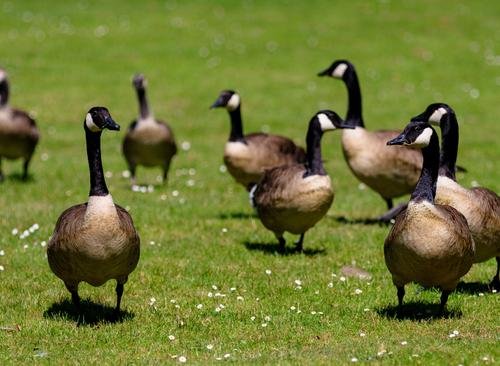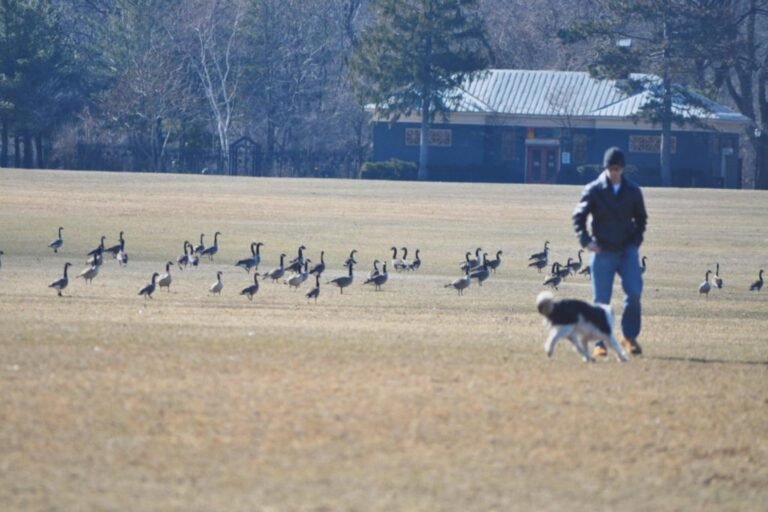
You glance out your window and spot another cluster of Canada geese waddling across your freshly seeded lawn, leaving behind trails of droppings that make your kids’ outdoor playtime feel like an obstacle course. If you’re typing “goose control near me” into your search bar, you’re probably wondering how long your yard will look like a construction zone once professionals arrive to fix this mess. Good news: modern humane goose control methods in Connecticut and New York typically wrap up in hours to two days, using shallow-stake barriers and trained dogs that work with your property’s natural features rather than tearing it apart. The speed matters because geese multiply fast in the Northeast, where ponds and grassy slopes create perfect nesting spots, and waiting too long can mean dealing with flightless molting birds all summer. What makes these quick installs possible comes down to understanding frost lines, wetlands buffers, and zoning rules that shape how professionals set up barriers without the deep digging you might fear. Whether you’re managing a backyard pond or a commercial property near water, knowing what happens from day one can help you plan around brief disruptions and get back to enjoying goose-free spaces faster than you’d expect.
Key Takeaways
- Quick Installs Minimize Yard Impact: Flat residential sites often complete fencing and setup in 4-8 hours, while properties with slopes or wetlands may extend to 1-2 days due to terrain considerations.
- Shallow Barriers Avoid Heavy Excavation: Fencing uses 6-12 inch stakes above frost lines with tensioned mesh or monofilament lines, allowing immediate yard use without waiting for concrete curing or deep post holes.
- Permits Depend on Methods Used: Basic hazing and fencing require no permits in CT and NY, though egg oiling needs free USFWS online registration, and wetlands buffers within 75-150 feet may trigger local reviews.
- Combined Strategies Work Best: Hazing with trained dogs or lasers pairs with habitat changes like tall grasses to create long-term deterrence after initial barriers go up.
- Timing Affects Success Rates: February installations before nesting season prevent trapping birds and allow fences to establish effectiveness when geese return to scouting mode.
- Cleanup Comes Standard: Professional services include stake removal options and turf restoration checks to leave properties camera-ready after control measures activate.
Understanding the Goose Control Process in CT and NY
Professional goose control in the Northeast follows a predictable sequence that respects both your property and local wildlife regulations. Unlike projects requiring weeks of yard disruption, humane methods center on portable barriers and behavioral modification that work with Connecticut and New York’s unique environmental factors. These factors include frost heave risks from winter freezes, wetlands buffer zones around ponds, and zoning codes that limit permanent structures near water. The process starts with site assessment to identify goose travel paths between water and feeding areas, then layers in non-lethal deterrents that create immediate discomfort without harm.
Connecticut’s Inland Wetlands Act and New York’s Environmental Conservation Law regulate activities within 75-150 feet of water bodies, which means professionals must design permeable fencing that won’t disrupt hydrology or drainage. Spite fence laws in CT target malicious barriers over 5 feet erected to block neighbors’ views, but goose fences under 30 inches built for wildlife control fall outside these restrictions. This regulatory landscape shapes why shallow-stake, low-profile designs dominate the region, they meet functional needs without triggering permit delays or compliance headaches.
Your property’s specific features determine how quickly controls deploy. A flat lawn with clear pond access might see a barrier erected in half a day, while a sloped yard with dense vegetation near wetlands could require gravel footings and erosion controls that stretch the timeline. The goal remains consistent: minimize time your yard feels “under construction” while maximizing goose deterrence.
Local Goose Environment and Process Needs
Regional ponds and grassy shorelines create ideal Canada goose habitat, attracting flocks that feed on manicured lawns and nest near water’s edge. Professionals begin by verifying you’ve stopped feeding geese intentionally or unintentionally through spilled birdseed, a step that prevents undermining subsequent barriers. Next comes zoning verification to check if your property sits in wetlands review areas, which can add 10-30 days if buffer work requires local inland wetlands agency approval.
Most residential fencing uses 30-inch high mesh or monofilament lines that geese refuse to cross, installed along shorelines and lawn perimeters to block water-to-grass travel. Terrain access matters: steep slopes may need all-terrain equipment for stake driving, while flat areas allow hand tools that reduce turf damage. February timing proves critical in the Northeast, as pre-nesting installations prevent trapping geese behind barriers once eggs appear in March-April, avoiding ethical and legal complications.
National vs. CT/NY Control Timelines
Baseline timelines for goose control across the U.S. provide a useful comparison point, though Northeast properties often require slight adjustments. A standard 100-foot barrier along a pond edge takes 4-6 hours nationally for experienced crews using portable fencing, with hazing devices added in another hour. Connecticut and New York averages trend slightly longer, closer to a full day for similar setups, due to frost avoidance protocols and seasonal windows that dictate when work can happen efficiently.
Frost lines averaging 36-48 inches in the region mean goose fences must stay shallow to avoid heave damage, but this shallow depth also means crews can work faster than projects requiring deep post holes. The tradeoff comes in timing: winter frozen ground slows staking, so most installations concentrate in spring or fall when soil cooperates. This seasonal push affects availability, booking early in February can mean quicker turnaround than waiting until April when demand spikes.
National timelines assume flat, accessible sites with no wetlands complications. In the Northeast, wetlands buffers within 75-150 feet of water bodies may require erosion controls like silt fencing, adding half a day to complex jobs. However, these measures prevent future yard damage from runoff, so the upfront time investment pays off. Properties without wetlands factors often match or beat national averages thanks to low-profile designs that eliminate concrete work.
Typical Timeline Ranges by Site Size
For a modest residential property, say 100-200 feet of pond shoreline, expect the following: site assessment and staking take 2-4 hours as crews map goose entry points and mark fence lines. Barrier installation follows, consuming another 2-4 hours for mesh or monofilament tensioning between stakes. Hazing device setup, such as positioning motion-activated sprinklers or testing propane cannons, adds roughly one hour. Total time for straightforward sites: 5-9 hours, often completed in a single workday.
Larger commercial properties or complex residential lots with multiple ponds, slopes, and heavy vegetation can stretch to two full days. Day one focuses on prep and major barrier sections, while day two handles detail work like elevated grids over water and habitat modifications such as planting tall grasses. Crews typically schedule these longer jobs to minimize repeated site visits, consolidating tasks to reduce inconvenience.
Seasonal factors also influence speed. Spring and fall installations proceed smoothly in cooperative soil conditions, while summer heat can slow crews slightly, though the difference rarely exceeds an hour or two. Winter work outside of frozen periods remains viable for urgent situations, though scheduling flexibility becomes more important.
Day-by-Day Breakdown Models
Day one for a typical residential job starts with a morning site walkthrough, where professionals confirm zoning compliance and feeding bans. Stake driving follows, placing posts every 6 feet along planned fence lines at depths of 6-12 inches, which proceeds quickly without heavy excavation. Mesh or wire stringing happens next, tensioning materials to create barriers geese won’t cross. By afternoon, hazing devices receive initial testing, such as border collie introductions or laser calibration, ensuring immediate deterrence. Total day-one time: 6-8 hours, with your yard largely restored to normal use by evening.
Day two, when needed, focuses on fine-tuning. Crews adjust tension on fence lines, add flagging for visibility, and implement habitat tweaks like mowing grass extra short near barriers to reduce cover geese prefer. If slopes or wetlands require gravel footings for drainage compliance, this work happens on day two, adding 2-4 hours. Final walkthrough includes demonstrating hazing protocols you’ll maintain, such as dog patrol schedules or rotating visual deterrents to prevent habituation.
Single-day jobs compress these phases, completing setup in morning and adjustments by early afternoon. Properties without wetlands complications or steep grades often finish in 4-8 hours total, allowing immediate return to regular yard activities. The key differentiator comes down to terrain: flat lawns sprint through timelines, while slopes and water features require thoughtful pacing.
Key Steps in the Goose Control Process
Core phases ensure reliability whether you’re fencing a small pond or implementing multi-method controls across larger properties. Each step ties into regional guidelines that keep disruption minimal while respecting federal protections for Canada geese, which prohibit lethal methods without depredation permits rarely granted for residential use. Understanding these phases helps you anticipate what professionals will do and when your yard returns to normal.
Site Preparation and Layout
Preparation begins weeks before installation if you’re planning for peak effectiveness. Banning all feeding, including birdseed that attracts geese, removes food incentives that undermine barriers, a step you can complete immediately after booking services. Professionals conduct pre-install surveys to identify goose travel routes between water and grazing areas, noting vegetation density, slope angles, and proximity to wetlands that might trigger buffer regulations.
Staking fence lines comes next, using biodegradable marking paint to outline barrier paths that won’t obstruct your views or lawn mower routes. This layout phase typically takes 1-2 hours for residential sites, longer if confirming wetlands setbacks of 75-150 feet requires consultation with local inland wetlands agencies. Vision clearances near roads or driveways also factor in, ensuring barriers won’t create safety hazards for vehicles or pedestrians.
Slope and drainage assessments happen during layout. Properties with grades steeper than 15 degrees may need gravel bases under stakes to prevent erosion, while flat areas proceed with simple post driving. Soil testing for frost risk occurs if work happens in late fall or early spring, though most goose control avoids winter entirely due to frozen ground challenges.
Barrier Setting and Tensioning
Physical barriers form the backbone of humane control, using 6-12 inch stakes driven into soil above frost lines to avoid heave damage. Wire mesh, plastic netting, or monofilament lines stretch between stakes at 30 inches high, the magic height geese refuse to jump or crawl under. Mesh options provide durability for multi-year installations, while monofilament offers near-invisible deterrence that preserves aesthetic views, especially important near upscale waterfront properties.
Tensioning matters significantly for effectiveness. Loose barriers allow geese to push through, while over-tight lines risk stake pullout in Northeast freeze-thaw cycles. Professionals adjust tension using ratchet systems or knots that accommodate soil movement, checking each section before moving to the next. Gravel collars around stakes on slopes improve drainage and stability, preventing washouts during heavy rains common in spring and fall.
Electric fencing variants use 8-16 inch high poly tape energized by solar chargers, delivering mild shocks that train geese to avoid areas without causing injury. These require no trenching for power lines, instead relying on ground rods for current return, which reduces installation time to match non-electric versions. Setup for 100 feet of electric fence typically takes 3-5 hours including testing, with immediate functionality and no curing periods needed.
Hazing, Habitat, and Nesting Attachment
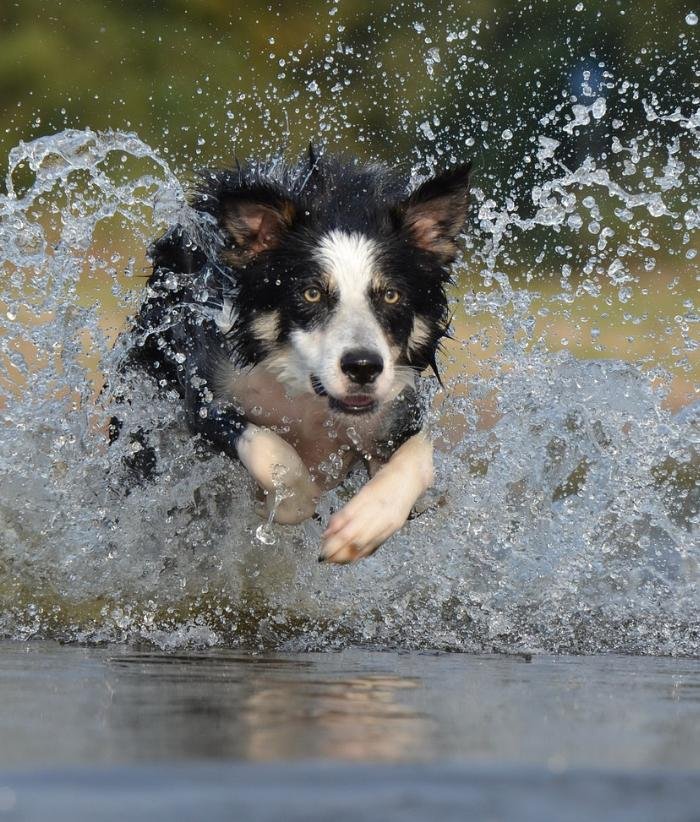
Hazing begins immediately after barriers go up, using trained border collies, propane cannons, lasers, or motion-activated sprinklers to create predator fear. Border collies prove especially effective in the Northeast, where properties often have sight lines that allow dogs to herd geese toward water and away from lawns. Initial sessions last 30-60 minutes as dogs establish their presence, with subsequent patrols scheduled 2-3 times weekly to prevent goose return.
Habitat modifications like mowing grass to 3 inches or shorter reduce feeding appeal, while planting dense shrubs over 30 inches tall along shorelines blocks sightlines geese prefer for predator spotting. These changes take longer to implement, sometimes weeks if vegetation needs to establish, but start with immediate mowing that crews can complete during installation. Aerating soil near water edges also deters feeding by disrupting the smooth turf geese prefer.
Egg oiling, conducted March-April under free USFWS online registration, prevents hatching without removing nests, addressing reproduction for long-term control. This step requires separate scheduling from barrier work and involves coating eggs with food-grade corn oil to block oxygen exchange. Most residential properties skip this unless flocks exceed 10-15 birds persistently, as barriers and hazing suffice for smaller populations.
Additional Steps for Complex Sites
Full-service goose control adapts to Northeast-specific challenges that can complicate otherwise straightforward installations. These adaptations add minimal time compared to the hassle of dealing with incomplete solutions, and experienced crews build them into project timelines without causing surprises. Knowing what qualifies as “complex” helps you anticipate whether your property falls into standard or extended timelines.
Handling Slopes, Ponds, and Wetlands
Slopes steeper than 15 degrees require elevated grid patterns over water or terraced fencing that follows contours, preventing geese from simply walking around barriers via hillsides. These grids use 12-18 inch high lines spaced 10-15 feet apart, suspended over pond surfaces with buoys or floats that adjust to water level changes. Installation takes 4-6 hours for typical backyard ponds, longer for multi-acre bodies where crews need boats or waders to position supports.
Wetlands buffers demand silt fencing during installation to prevent sediment runoff, which adds 1-2 hours for setup and removal. Permeable fencing designs ensure hydrology isn’t disrupted, raising barrier bottoms 6 inches off ground in regulated zones, these measures satisfy local inland wetlands agencies while maintaining goose deterrence. Properties fully within buffer zones may require pre-approval that extends project start by 10-30 days, though the actual installation time remains unchanged.
Border collies excel on hilly terrain where visual deterrents struggle, chasing geese uphill away from lawns toward less desirable areas. Training sessions for dogs on slopes take extra time initially, roughly an added half-day, to ensure safe footing and effective herding patterns. Once established, these patrols maintain effectiveness with minimal ongoing effort, often just weekly visits during peak goose season.
Finishing Touches and Yard Restoration
Post-installation cleanup includes removing biodegradable flagging once geese learn barrier locations, typically after 7-10 days when deterrence becomes habit. Stake removal options exist if you prefer completely removable systems post-season, though many homeowners leave low-profile fences year-round for consistent protection. Removal takes 1-2 hours for residential setups, with stakes pulled and any disturbed turf reseeded using quick-germinating blends that establish in 10-14 days.
Turf checks verify no lasting damage from stake driving or crew traffic, addressing any compaction with aeration if needed. Professional services often include this as standard, using walk-behind aerators that cover 100-200 square feet per minute to fluff soil near fence lines. Seeding follows immediately, with straw mulch applied to retain moisture and protect seeds from birds, adding another hour to final cleanup.
Debris haul remains minimal since shallow-stake systems generate little waste beyond packaging from fencing materials. Gravel used for footings stays in place as permanent drainage improvement, benefiting your property beyond goose control. Final walkthroughs with homeowners demonstrate hazing protocols and answer questions about maintaining effectiveness, ensuring you feel confident managing systems after crews leave.
Permits, Regulations, and Timing in CT and NY
Navigating pre-site legal steps ensures your goose control project avoids delays or fines, which can easily happen if wetlands or nesting rules get overlooked. Connecticut and New York share federal oversight from the U.S. Fish and Wildlife Service but differ slightly in state-level enforcement, making it important to check both jurisdictions if your property sits near state lines. The good news: most basic humane methods require no permits, keeping bureaucracy to a minimum.
Zoning and Federal Coordination
USFWS regulates Canada geese under the Migratory Bird Treaty Act, allowing non-lethal harassment without permits but requiring free online registration for egg oiling or addling. Registration takes 10-15 minutes via the USFWS website, granting authorization for the current breeding season with renewals needed annually. This step only matters if you plan to address nests directly; fencing and hazing remain permit-free.
Local inland wetlands agencies oversee buffer zones, typically 75-150 feet from water bodies in Connecticut, with similar ranges in New York. If your goose control involves ground disturbance within these buffers, such as staking barriers or planting vegetation, you may need wetlands review. Application fees run $50-150 depending on municipality, with review periods of 10-30 days for standard residential work. Properties outside buffer zones skip this entirely, as do projects using elevated barriers that avoid soil contact.
Spite fence laws in Connecticut target malicious structures over 5 feet erected to harm neighbors’ property enjoyment, requiring plaintiffs to prove the barrier’s primary purpose was injury rather than utility. Goose fences under 30 inches built for wildlife control easily pass reasonable-use tests, especially when professionals document goose damage like fecal counts or turf wear. New York relies on nuisance laws rather than specific spite fence statutes, with similar outcomes favoring functional wildlife barriers.
Agricultural properties or sites experiencing severe goose damage can apply for federal depredation permits allowing lethal control, though these rarely apply to typical residential cases. The application process involves documenting non-lethal attempts and proving significant economic loss, which extends timelines by weeks and requires ongoing reporting. Most homeowners find humane barriers and hazing sufficient, avoiding this complexity altogether.
Seasonal Timing for Compliance and Effectiveness
February installations before nesting season begins prove most effective, allowing barriers to establish before geese commit to nest sites in March-April. This timing also avoids trapping flightless goslings behind fences during June-July molting periods, a scenario that causes stress for birds and complicates removal. Pre-nesting work typically finishes in time for geese to scout alternate locations when they return from winter ranges, redirecting flocks peacefully.
March-April egg oiling windows align with peak laying periods, requiring coordination with USFWS registration to ensure legal compliance. Professionals schedule these treatments carefully, checking nests every 3-5 days to catch new eggs before embryo development begins, the point at which treatment becomes less humane. Combined with February fencing, egg oiling creates comprehensive control that reduces next year’s hatch by 80-90 percent.
Summer molting periods, June-July, present challenges since geese become flightless for 3-4 weeks and can’t escape barriers. Installing fences during molt risks trapping birds, violating federal harassment rules, so crews avoid these months unless working with wildlife rehabilitators to relocate trapped geese. Fall installations, September-November, work well as geese regain flight and can move freely, though effectiveness builds more slowly than February starts.
Winter work, December-January, faces frozen ground that slows staking and limits hazing options since geese may rely on your property for survival when natural foods disappear. Most professionals pause residential work during these months unless urgent situations arise, resuming full services in February when conditions improve. Planning ahead by booking in January for February installation ensures you secure preferred contractors before spring demand spikes.
What Homeowners Should Prepare For and Do
Supporting smooth execution during quick installation phases requires minimal effort but makes a noticeable difference in how efficiently crews work. Knowing daily expectations helps you plan around any temporary inconveniences, which rarely extend beyond a few hours even on complex sites. Your preparation steps can actually shorten timelines by eliminating delays professionals commonly encounter.
Daily Expectations During Control
Noise from hazing devices ranks as the most common day-one surprise. Propane cannons produce loud bangs every 15-30 minutes, though most residential projects rely on quieter border collie patrols or motion-activated sprinklers that create minimal disturbance. If neighbors share proximity to your property line, notifying them beforehand prevents complaints and helps them understand temporary sounds are part of professional wildlife management.
Access limitations occur briefly during staking and tensioning phases, usually 2-4 hours where crews need clear pathways to water edges. Pets should remain indoors during this window, both for their safety around equipment and to avoid distracting trained border collies if used. Children can typically observe from safe distances, turning installation into an educational opportunity about wildlife coexistence.
Layout approval happens early, often within the first 30 minutes as crews mark fence lines with biodegradable paint. Walking the planned route with professionals ensures barriers won’t interfere with lawn maintenance, outdoor furniture placement, or seasonal plantings you have scheduled. This brief consultation prevents misunderstandings and allows real-time adjustments before stakes go into the ground.
Effectiveness checks begin within 48 hours of installation, when you’ll notice whether geese attempt to breach barriers or shift to other areas. Most geese abandon protected properties within 3-7 days, seeking easier feeding locations rather than challenging fences or enduring consistent hazing. Professionals typically schedule follow-up visits at the one-week mark to adjust tension or add supplemental deterrents if stubborn birds persist, though this proves necessary in fewer than 20 percent of residential cases.
Tips to Minimize Disruptions
Stopping all feeding two weeks before installation gives geese time to break the habit, reducing the initial number of birds crews must deter. This includes removing birdseed, cleaning up fallen fruit from trees, and asking neighbors to do the same if flocks move between adjacent properties. Pre-emptive feeding bans can cut installation time by an hour or more since crews spend less effort hazing birds already present during setup.
Pet arrangements matter if border collies will patrol your property. Resident dogs should remain indoors during training sessions, preventing territorial conflicts that disrupt the working dogs’ focus. Cats fare fine if kept inside, as goose control dogs ignore them in favor of their trained targets. These precautions last only during active hazing sessions, typically 30-60 minutes per visit.
February timing beats nesting rushes by allowing leisurely scheduling rather than emergency response mode, which often costs more and limits contractor availability. Booking 4-6 weeks in advance secures your preferred dates and gives time to complete any needed wetlands reviews without rushed applications. Last-minute spring bookings, especially in April when geese have already nested, force less-ideal solutions like waiting until after goslings fledge in July.
Clearing vegetation near planned fence lines speeds staking, though this step proves optional since crews handle brush as needed. If you enjoy yard projects, mowing extra short along pond edges a week before installation gives crews clear sight lines and slightly faster progress. Similarly, marking underground utilities yourself using your municipality’s free locate service prevents delays if crews need to verify clearance before stake driving.
Process Comparison Table: Simple vs. Complex Goose Control in CT/NY
| Phase | Simple Install (Flat Lawn) | Complex Install (Slope/Pond) |
|---|---|---|
| Prep & Layout | 1-2 hours for marking fence routes and checking access | 4 hours including wetlands buffer verification and erosion planning |
| Barrier Setting | 2-4 hours for shallow stakes and mesh tensioning on flat terrain | 4-6 hours with gravel footings for drainage and elevated grids over water |
| Hazing/Habitat | 1 hour for initial device setup or border collie introduction | 2 hours including terrain training for dogs and multi-method calibration |
| Total Timeline | 4-8 hours, typically completed in one workday | 1-2 days accounting for slope challenges and buffer compliance |
Common Mistakes Homeowners Make During Goose Control
Continuing to feed birds after installation ranks as the top error that undermines barriers. Even unintentional feeding through spilled birdseed or accessible trash attracts geese despite fencing, creating persistent pressure that can lead to fence breaches. Removing all food sources within your property boundaries, and encouraging neighbors to do likewise, ensures your investment delivers full effectiveness.
Installing barriers during late spring when geese have already nested risks trapping flightless goslings, violating federal harassment protections and causing ethical concerns. Many homeowners book services too late after noticing spring goose increases, not realizing early action in February prevents these complications entirely. If you’ve missed the ideal window, waiting until after goslings fledge in July prevents trapping issues.
Ignoring wetlands regulations leads to permit violations that can halt projects mid-installation. Properties within 75-150 feet of water bodies in Connecticut may require local inland wetlands agency review, a step some homeowners skip in eagerness to start. Quick calls to your town’s land use office clarify requirements, taking 10 minutes that can save weeks of permit delays or fines reaching $1,000-plus for unauthorized work.
Failing to rotate hazing methods causes geese to habituate, reducing deterrence over time. Propane cannons work brilliantly for the first two weeks, then geese learn to ignore them if positioning and timing remain static. Professionals address this through varied schedules and supplemental methods like lasers or dog patrols, but homeowners managing their own hazing post-installation sometimes grow complacent. Rotating tactics every 10-14 days maintains effectiveness throughout the season.
Preparing Your Property for Goose Control in CT/NY
Early USFWS registration for egg oiling, even if you’re unsure you’ll pursue it, keeps options open without commitment. The free online process takes 10-15 minutes and remains valid through the current breeding season, allowing flexibility if spring nesting exceeds expectations. You can always choose not to oil eggs, but having authorization ready prevents scrambling for permits if needed.
Mowing grass shorter than usual, ideally 3 inches or less, makes your lawn less attractive for goose grazing. Geese prefer taller grass where they can forage comfortably, so reducing height before professionals arrive supports barrier effectiveness from day one. This simple step requires no special equipment beyond your regular mower, just a willingness to adjust your typical cutting schedule.
Surveying pond edges for existing goose traffic patterns helps professionals place barriers precisely. [You can mark heavy-use areas with temporary flags or biodegradable spray paint](https://