Have you walked out to your Connecticut or New York lawn lately only to find it covered in goose droppings, your pond edges trampled, and your landscaping worse for wear? Canada geese are protected under federal law, but that doesn’t mean you’re stuck living with flocks that turn your property into their personal buffet.
Property owners across the tri-state area face a common dilemma: they want these birds gone, but they’re worried about what humane goose control will do to their yards. Will fencing tear up the grass? How long will dogs need to patrol? What about wetlands regulations that might complicate installations? The good news is that professional services follow a predictable sequence from initial assessment to final monitoring, typically wrapping up in one to four weeks with surprisingly minimal disruption.
Whether you’re dealing with a small residential pond or a sprawling commercial property with slopes and wetlands, understanding what happens at each stage can ease those “what have I gotten myself into?” worries.
Key Takeaways
- Control Timelines Vary by Property Complexity: Simple hazing with border collies or noisemakers takes effect immediately, while fencing installations and egg oiling programs add one to two weeks for setup and monitoring, with most projects completing within one to four weeks total.
- Habitat Changes Come Before Heavy Installation: Letting grass grow tall or using trained dogs creates effective deterrents without digging into frost lines or disturbing soil, making these first-choice methods for many properties.
- Early Site Surveys Prevent Regulatory Headaches: Wetlands buffers of 75 to 150 feet and local zoning restrictions for permanent structures must be verified before installation begins, saving time and potential fines down the road.
- Seasonal Timing Affects Barrier Success: Installing 30-inch mesh fences or pond wire grids during the molt period from mid-June to mid-July when geese can’t fly maximizes effectiveness and minimizes long-term maintenance once initial setup is complete.
- Permit Requirements Stay Simple for Most Methods: USFWS egg oiling registration is free and available online, hazing requires no permits at all, and only advanced methods like organized round-ups need state agency coordination with DEEP or DEC.
- Professional Services Include Post-Control Support: Follow-up monitoring checks for returning geese, turf restoration addresses any installation paths, and seasonal adjustments keep deterrents working as weather and goose patterns shift throughout the year.
Understanding the Humane Goose Control Process in CT and NY
Professional goose control in the Northeast follows a logical sequence, but it’s not quite the same as what you’d see in flatter, regulation-light states. Properties here come with ponds that freeze, slopes that complicate fencing, and wetlands regulations that restrict where you can install barriers. The process prioritizes non-lethal methods like hazing, habitat modifications, and population controls timed around seasonal molts when geese temporarily lose their ability to fly. Connecticut and New York spite laws also limit how tall or obstructive barriers can be, pushing professionals toward lower-profile solutions that won’t block views or upset neighbors. Wetlands buffers require erosion controls if you’re working within 75 to 150 feet of water, and frost lines dictate how deep posts can go without heaving during winter thaw cycles. All of this adds complexity compared to simply throwing up a fence and calling it done, but it also means your yard recovers faster and stays compliant with local codes.
How Local Environment Shapes Control Methods
The regional landscape directly affects which methods work best and how long they take. Ponds and slopes common to Connecticut and New York properties require initial surveys to identify nesting sites, grazing patterns, and any zoning restrictions before hazing or physical installations begin. A flat suburban lawn might only need border collies and signage, completing in days. A waterfront property with wetlands setbacks, steep grades, and resident geese nesting in protected areas might need a combination of egg oiling, temporary fencing during molt, and habitat changes like tall grass borders, stretching the timeline to three or four weeks. Professionals adapt their approach based on these site-specific factors, which is why cookie-cutter timelines often miss the mark. Access matters too. Can dogs reach all pond edges without damaging plantings? Are there walking paths for regular patrols? These practical considerations shape the daily workflow and overall project duration.
National vs. CT/NY Control Timelines
If you search for goose control timelines online, you’ll find plenty of sources quoting one to two weeks for most projects. That’s accurate for simpler properties in less regulated areas, but Connecticut and New York averages run closer to two to four weeks when you factor in seasonal molt alignment, wetlands compliance checks, and the multi-method approach needed for lasting deterrence. The difference comes down to when and how installations happen. A national baseline assumes you can install fencing anytime, but Northeast professionals time barriers to coincide with the June to July molt when geese can’t fly away to nearby water bodies, making containment more effective. Egg oiling programs run from March through May, adding a front-end step that doesn’t disrupt your yard but does require coordination with free USFWS online registration. Wetlands buffers mean some barriers need silt fencing or other erosion controls before posts go in, adding a few days to setup. None of these steps individually add massive time, but they stack up compared to a straightforward hazing-only approach.
Typical Timeline Ranges by Property Size
Small residential properties with flat lawns and minimal water features often complete simple hazing programs in one to two weeks, matching national averages. Larger properties with ponds, wetlands, or complex terrain typically require two to four weeks for full control, including assessment, multi-method deployment, and follow-up monitoring. Commercial properties with golf courses, corporate campuses, or municipal parks may extend to the longer end of that range, especially if egg oiling and habitat modifications run alongside immediate hazing efforts. The key variable is whether you’re addressing a temporary nuisance with quick hazing or implementing long-term population controls that prevent future nesting. Temporary solutions work faster but need more frequent reapplication. Comprehensive programs take longer upfront but reduce ongoing maintenance, making them more cost-effective over multiple seasons.
Day-by-Day Breakdown Models
A typical control sequence might look like this. Week one focuses on assessment and immediate hazing, with professionals walking the property to identify nesting areas, droppings concentrations, and access points, then deploying border collies or noisemakers to disrupt established patterns. This phase causes no yard disruption and shows results within days as geese relocate to less stressful areas. Week two adds egg oiling if nests are present during March to May, along with planning for any fencing or grid installations timed to the upcoming molt. Shallow post fencing or pond wire grids go up quickly, usually within one to two days, using temporary stakes that avoid deep frost line digging. Weeks three and four shift to monitoring and adjustment, with professionals checking for returning geese, adjusting hazing schedules, and addressing any gaps in coverage. Properties with wetlands or large ponds may need additional time for silt controls or extended monitoring to confirm geese have relocated rather than just temporarily avoiding the area.
Key Steps in the Humane Goose Control Process
Every professional service follows core phases designed to address both immediate nuisance and long-term population management. These steps ensure compliance with federal and state regulations while minimizing yard impact, and they build on each other to create layered deterrence that geese can’t easily work around. Skipping steps often leads to incomplete control, with geese returning once a single method loses novelty or effectiveness. The sequence matters because each phase targets different aspects of goose behavior, from breaking feeding habits to preventing reproduction to making your property physically uninviting for landing and grazing.
Site Assessment and Hazing Start
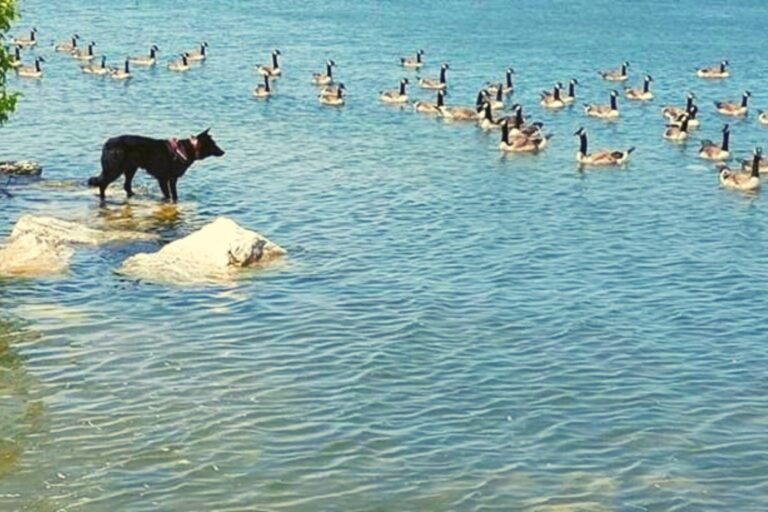
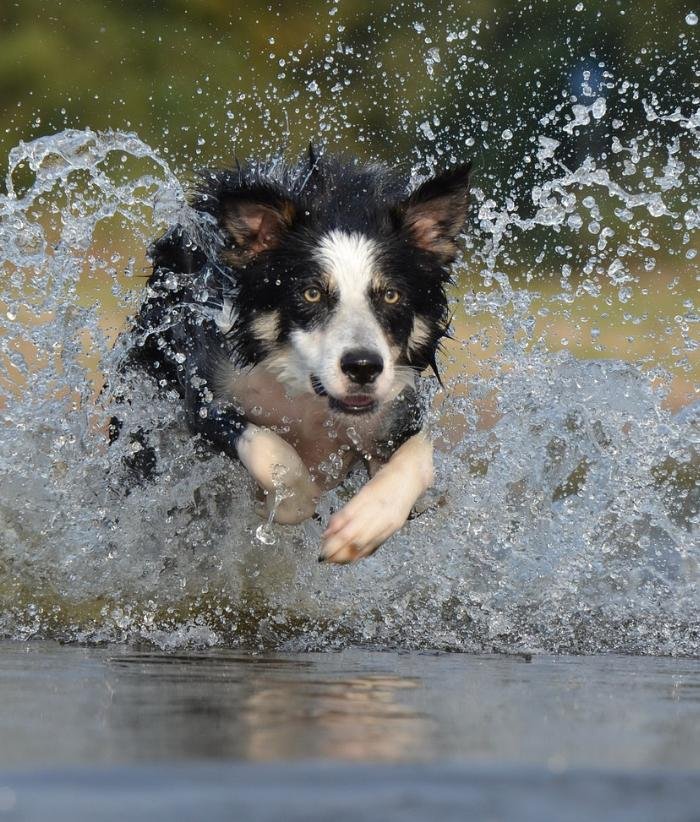
The first visit involves a thorough survey to identify active nests, droppings concentrations, preferred grazing areas, and any wetlands or zoning factors that might limit installation options. Professionals deploy trained border collies or noisemakers immediately to disrupt established routines, signaling to geese that the property is no longer a safe haven. Posting “Do Not Feed” signs addresses human behavior that reinforces goose presence, as even well-meaning residents can undermine control efforts by tossing bread or seed. This initial hazing phase causes zero yard disruption since it involves no digging or installations, and it often shows visible results within three to five days as flocks relocate to nearby water bodies or parks. Consistency matters more than intensity here. Daily or every-other-day patrols prevent geese from settling back in, while sporadic efforts let them return between visits. The goal is to make your property feel unsafe compared to alternative sites, leveraging geese’s natural preference for low-stress grazing areas.
Habitat Modification and Barriers
Once hazing establishes an initial deterrent, habitat changes make your property less attractive for the long term. Seeding tall grass varieties like tall fescue, letting unmown buffer zones grow above 10 inches, or planting unpalatable ground covers like pachysandra reduces grazing appeal without major landscaping overhauls. These changes take weeks to show full effect as grass grows or new plantings establish, but they require minimal setup disruption. Physical barriers come next, timed to the molt when possible for maximum effectiveness. Thirty-inch wire mesh fencing uses shallow posts above frost lines to avoid winter heaving, installing in one to two days for small to mid-sized properties. Pond grids with flagged wires spaced 10 to 15 feet apart and raised 12 to 18 inches above water surfaces block landing zones, setting up in hours for small ponds. Both methods are removable post-molt if you prefer seasonal use, restoring full lawn access without permanent scarring. Slope installations need stabilized posts or guy wires to prevent shifting, adding minor setup time but no long-term maintenance once in place.
Population Control and Follow-Up
Egg oiling with corn oil coats shells to prevent hatching, humanely reducing future populations without removing adults or causing distress. This method requires nest access from March through May and simple USFWS registration, but it involves no property changes beyond walking paths to nest sites. Professionals mark oiled eggs to avoid repeat treatments and monitor hatching attempts to confirm effectiveness. Follow-up visits during and after molt check for returning geese, adjust hazing schedules if needed, and address any new nesting attempts in subsequent seasons. Monitoring typically runs one to two weeks after initial installations, with pros fine-tuning barrier placements or habitat changes based on goose responses. This phase ensures control sticks rather than providing temporary relief, and it’s often included in service packages to catch issues before they require full re-treatment.
Additional Steps for Complex Properties
Not every property fits a standard hazing-and-habitat approach. Waterfront sites with steep grades, extensive wetlands, or protected nesting areas need adapted methods that comply with stricter regulations while still achieving effective control. These situations add time and planning but deliver results comparable to simpler setups once all elements are in place. Full-service providers adjust timelines and techniques to match Northeast challenges, often combining multiple deterrents to cover gaps that any single method would leave open.
Handling Slopes, Ponds, and Wetlands
Sloped pond edges complicate barrier installations since posts can shift or wires can sag without proper anchoring. Grid systems on slopes use tensioned lines with ground stakes or weighted bases to maintain height and spacing, taking an extra day or two compared to flat installations. Wetlands within 75 to 150 feet of control zones require silt fencing or erosion mats before any digging to prevent sediment runoff, per state environmental regulations. These controls install quickly but must stay in place until grass or ground cover stabilizes disturbed areas, usually within one to two weeks. Border collie patrols adapt for wetlands by using established paths rather than cutting new trails through sensitive vegetation, avoiding additional permitting requirements. Properties with multiple ponds or large water acreage may need phased installations, addressing one area per week to spread costs and labor while maintaining control across the site. This approach extends overall timelines but prevents overwhelming a single crew or budget line.
Finishing Touches and Yard Restoration
Once primary deterrents are functioning, professionals remove temporary setups like trial fencing or excess signage, restoring a cleaner property appearance. Reseeding paths worn by dog patrols or lightly disturbed by post installations takes a few days and establishes quickly in spring or early summer when grass grows fastest. Adjusting visual deterrents like lasers or Mylar tape to match seasonal goose movements keeps them effective as migration patterns shift from spring nesting to fall staging. Some properties benefit from seasonal contracts where professionals return quarterly to refresh hazing, check barriers, and address new nesting attempts before they become established populations. These follow-ups are often brief, half-day visits, but they extend the effective “timeline” across multiple years rather than treating control as a one-time project. The goal is to make your property consistently less appealing than alternatives, which requires occasional tweaks as geese adapt or new flocks test the area.
Permits, Regulations, and Compliance in CT and NY
Legal requirements for goose control are less burdensome than many property owners expect, but skipping pre-site checks can lead to fines or project delays. Federal law protects Canada geese under the Migratory Bird Treaty Act, but it also allows non-lethal hazing without permits as long as birds aren’t harmed. State agencies in Connecticut and New York add layers for lethal methods or installations near protected areas, so understanding which rules apply to your chosen methods saves headaches later. Most humane control methods fall into permit-free categories, making compliance straightforward for residential and commercial properties alike.
Agency Coordination
USFWS egg oiling registration is free and completed online in minutes, requiring only basic property information and confirmation that you’ll follow humane coating procedures. No permits are needed for hazing activities like deploying border collies, noisemakers, or visual deterrents, as these fall under allowable harassment that doesn’t harm geese. Connecticut DEEP and New York DEC handle permits for organized round-ups during molt or lethal removal in urban areas, but these methods are rarely necessary for typical residential or commercial control. Local zoning may require permits for permanent fencing or structures near wetlands, so checking municipal codes before installation prevents surprises. Professional services typically handle permit coordination as part of their project management, submitting applications and confirming approvals before work begins. This removes the administrative burden from property owners while ensuring all boxes are checked for legal compliance.
What Property Owners Should Prepare For and Do
Supporting the control process makes it run smoother and faster, with simple steps on your end keeping pros on schedule and maximizing effectiveness. Most of what you’ll experience involves minimal disruption, but knowing what to expect at each phase helps you plan around any temporary inconveniences. Your role shifts from active participant to supportive observer once professionals begin work, but a few proactive moves before they arrive can shave days off the timeline.
Daily Expectations During Control
During the first week, expect to see border collies or hear noisemakers as hazing establishes deterrence. These activities cause no physical yard changes but do require access to all property areas, so securing pets indoors or coordinating schedules for outdoor time prevents conflicts. If fencing or grids are part of the plan, you’ll see crews with shallow post-drivers or wire spools for one to two days, with most work contained to pond edges or specific zones rather than spread across the entire lawn. Noise levels stay moderate since installations avoid heavy equipment like augers or concrete mixers. Egg oiling visits are brief, often just an hour or two walking to nests, with no machinery or digging involved. Follow-up checks are even less intrusive, usually quick visual inspections or brief dog patrols to confirm geese haven’t returned. The most noticeable daily impact is simply seeing professionals on-site periodically, which tapers off as the project moves from active installation to monitoring phases.
Tips to Minimize Yard Disruptions
Mowing less frequently in the weeks before control starts lets grass grow tall enough to deter grazing naturally, giving habitat modifications a head start. Stopping any feeding of waterfowl immediately breaks habits that attract geese, complementing professional hazing efforts. Marking sprinkler heads, invisible dog fences, or underground utilities before crews arrive prevents accidental damage during post installations, saving repair time. Scheduling control to align with the June to July molt when geese can’t fly makes fencing and grids most effective, delivering faster results with shorter monitoring periods. Clearing pathways to ponds or wetlands gives border collies clear access without trampling plantings, reducing the chance they’ll create new worn trails through landscaping. Communicating any property quirks like soft soil areas prone to rutting or hidden obstacles like old fence posts helps crews plan around them, avoiding delays from unexpected challenges.
Process Comparison Table: Simple vs. Complex Goose Control in CT/NY
| Phase | Simple Control (Flat Lawn) | Complex Control (Pond/Wetland) |
|---|---|---|
| Assessment/Hazing | 3-5 days | 1 week with buffer surveys |
| Barriers/Egg Oiling | 1-2 days shallow posts | 1 week for grids and silt controls |
| Monitoring | 1 week follow-up | 2+ weeks with adjustments |
| Total Timeline | 1-2 weeks | 3-4 weeks |
Common Mistakes Property Owners Make During Goose Control
Even with professional help, certain owner actions can undermine control efforts or extend timelines unnecessarily. Continuing to feed geese or allowing family members to toss bread after hazing starts reinforces habits you’re trying to break, confusing geese about whether the property is safe or not. Ignoring seasonal molt timing by insisting on fence installations in April or May means geese can simply fly away and return later, reducing barrier effectiveness and wasting installation effort. Skipping follow-up monitoring because you don’t see geese for a few days lets re-nesting happen undetected, turning a controlled population back into a problem within one season. Failing to verify wetlands setbacks or zoning rules before installations can result in fines or required removal of barriers, restarting the process from scratch with compliance-approved methods. Attempting DIY hazing inconsistently between professional visits lets geese adapt to threats, making them harder to deter even with trained dogs or advanced techniques. The biggest mistake is treating control as a one-time fix rather than an ongoing management approach, expecting geese to never test your property again once initial deterrents are in place.
Preparing Your Property for Humane Goose Control in CT/NY
A little advance work streamlines the process and gets you to a goose-free property faster. Start by contacting Connecticut DEEP or New York DEC to identify any wetlands buffers or protected areas that might affect installation options, giving you clear boundaries before professionals arrive. Reduce mowing frequency in grazing zones to let grass grow taller naturally, creating an immediate habitat deterrent without waiting for seeding. Stop all waterfowl feeding by family members, neighbors, or visitors to eliminate the attraction that competes with hazing efforts. Mark utility lines, sprinklers, and any underground features to prevent accidental strikes during post installations, saving both time and repair costs. Walk the property yourself to note where geese congregate, nest, or access water, giving professionals detailed information during the initial assessment that speeds planning. Schedule the project to align with the molt period from mid-June to mid-July if fencing or grids are part of the plan, maximizing effectiveness and minimizing the need for extended monitoring. Communicate any property access issues like locked gates, aggressive dogs, or limited parking so crews can plan accordingly and avoid delays on work days.
Frequently Asked Questions About Humane Goose Control Process in CT/NY
Q: What is the typical humane goose control process?
A: The typical process includes an initial site assessment to identify nesting areas and grazing patterns, followed by immediate hazing using border collies or noisemakers to disrupt established habits. Professionals then implement habitat modifications like tall grass and physical barriers such as fencing or pond grids, timed to the June to July molt when geese can’t fly for maximum effectiveness. Population control through egg oiling from March to May reduces future flocks, and follow-up monitoring over one to four weeks ensures geese don’t return. The entire sequence typically completes in one to four weeks depending on property size and complexity, with simple residential lawns finishing faster than waterfront sites with wetlands.
Q: How long does goose control take before yard recovery?
A: Hazing with dogs or noisemakers causes no yard disruption and shows results within days as geese relocate to less stressful areas. Temporary fencing or pond grid installations take one to two days using shallow posts that leave minimal marks, with turf recovering fully within one to two weeks after removal if you choose seasonal barriers. Habitat modifications like seeding tall grass or planting unpalatable ground covers take four to six weeks to establish fully but require no recovery period since they enhance rather than disrupt landscaping. Egg oiling involves walking paths to nests with zero yard changes, so recovery is immediate. Most properties return to normal use within one to two weeks of initial setup, with any worn paths from dog patrols reseeding quickly in spring or early summer.
Q: Are permits required for goose control services?
A: USFWS egg oiling requires free online registration but no permit, and hazing methods like border collies or noisemakers need no permits at all since they fall under allowable harassment that doesn’t harm geese. Permanent fencing near wetlands may require local zoning permits to verify compliance with buffer setbacks, so checking municipal codes before installation prevents delays. Lethal methods like organized round-ups during molt or urban removal require coordination with Connecticut DEEP or New York DEC, but these are rarely necessary for typical residential or commercial humane control. Professional services usually handle any required permit applications as part of project management, removing the administrative burden from property owners.
Q: What should I expect on day 1 of goose control?
A: Day one typically involves a site walk with professionals to identify active nests, droppings concentrations, and preferred grazing zones, followed by immediate deployment of border collies or noisemakers to begin hazing. You’ll see dogs patrolling pond edges and lawn areas or hear periodic sounds designed to disrupt geese, with no digging or installations yet. Professionals may post “Do Not Feed” signs and mark areas for future barrier placements if fencing or grids are part of the plan. The entire first visit usually lasts a few hours, and most properties show reduced goose presence within three to five days as hazing establishes that the site is no longer safe for grazing or nesting.
Q: How can I prepare my yard for goose control?
A: Stop feeding geese immediately to eliminate competing attractions, and let grass grow taller in grazing zones to create natural habitat deterrents before professionals arrive. Note where geese congregate, nest, or access water so you can share detailed information during the initial assessment, speeding up the planning process. Mark underground utilities, sprinklers, and invisible dog fences to prevent accidental damage during any post installations. Schedule the project to align with the June to July molt if possible, maximizing the effectiveness of fencing or pond grids by targeting a time when geese can’t fly away. Clear pathways to ponds or wetlands to give border collies easy access without trampling plantings, and communicate any property quirks like soft soil or hidden obstacles so crews can plan around them.
Your Path to a Goose-Free Property Starts Here
Connecticut and New York property owners don’t have to live with lawns covered in droppings or ponds overrun by aggressive nesting geese. Professional humane control delivers predictable results by combining hazing, habitat changes, and seasonal population management tailored to Northeast challenges like wetlands regulations, slopes, and molt timing. Understanding the one to four week process from initial assessment through final monitoring takes the mystery out of “what happens next,” letting you plan around brief installation periods and minimal yard disruption. Whether you’re dealing with a small residential pond or a complex waterfront property with protected areas, licensed services navigate permits, zoning, and seasonal factors to deliver control that sticks season after season. Your yard can return to being a place you enjoy rather than a goose buffet, and recovery happens faster than most owners expect once the right methods are in place.
Tri-State Geese Patrol brings over 11 years of experience managing Canada geese across Connecticut and New York using professionally trained border collies and comprehensive humane methods. Our four-legged staff are experts in goose behavior, providing effective hazing that respects wildlife while protecting your property from ongoing damage. We handle everything from initial site assessments and wetlands compliance checks to seasonal egg oiling and long-term monitoring, ensuring your control program succeeds without guesswork or regulatory headaches. Our commitment to safe, cost-effective solutions means you get results that last, backed by 24/7 customer support and follow-up services that keep geese from returning. Contact Tri-State Geese Patrol today to schedule your property assessment and take the first step toward reclaiming your lawn, pond, and peace of mind from persistent goose problems.